
National Stress Awareness Month

National Stress Awareness Month: How to Habit Track for a Stress-Free Life


With April being National Stress Awareness Month, it’s a good opportunity to take time to reflect on your habits. Do you tend to get overwhelmed and stressed out easily? If so, what are some of the things you can do to change that? Maybe there are certain things you can avoid or ways that you can manage your time better.

The goal is to find what works best for you and stick with it. And if National Stress Awareness Month has taught us anything, it’s that we’re not alone in this! There are plenty of others out there who struggle with stress just like we do.


My posts may contain affiliate links. If you purchase through one of these links, you will not pay a penny more, but I will receive a small commission. Please read my disclaimer for more information.

Suggestions on What Habits to Track:

. Consider Your Sleep Schedule

For years, people have looked to the morning routine as a way of waking up and getting ready for their day. Your sleep schedule- the time you go to bed versus wake up -can help identify patterns in how you’re feeling throughout each week; so, once it’s evaluated this can help you make adjustments accordingly.

Related Post: 5 Easy Ways to Achieve a Healthy Morning Routine

woman sleeping


. Taking Your Medicine/supplements

Sometimes we can be forgetful and skip our medicine and/or supplements.  Hopefully not too often though.  Documenting whether you took them or not will help you see patterns as to how you are feeling overall.  You might find this medication list tracker very helpful.

. Water Intake

Making sure you drink enough water daily is crucial to good health.  Let’s be honest, life gets busy, and we can forget how much water we have consumed on any given day.  Using a phone app or a journal is very helpful in keeping track of your water consumption.  

glass of water

. National Stress Awareness Month Is the Perfect Time to Start Tracking Your Stress Level

It’s important to find ways to manage your stress levels. One way to do this is by tracking your stress level. This can help you identify patterns and triggers so you can make necessary changes to reduce your stress.

Related Post: 5 Common Causes of Stress In Women And How To Help Manage Them

There are many ways to track your stress level, from keeping a journal to using a Stress Management app. Find what works for you and make tracking your stress level a habit. You’ll be surprised at how much of a difference it can make in your overall well-being.

. Track Your Spending During National Stress Awareness Month

I think we can agree that we sometimes spend money without even thinking about it. We spend on things such as a special coffee drink, or take-out several times a week.   By tracking your spending habits, you will be able to visualize areas where you can cut back and even save money

Related Post: Save Money and Help Save The Planet Using These Eco-friendly Tips

Cleaning/organizing

The idea of tracking when you clean/organize is so much more satisfying than just guessing. When there are specific times that indicate when everything needs attention, it can be easier to plan your week and not feel overwhelmed with the task at hand!

Related Post: Benefits of Decluttering Your Workspace:  A Simple Guide to Tidying Up

. Time Away or On Social Media

I find myself getting sucked into social media way too much when I should be focusing on other more important things.  By keeping track of how much time I spend scrolling, I can then place limits on myself which will help me stay more focused on other important tasks. 

The other alternative would be to put your phone on “do not disturb” for a period of time allowing you to stay focused.

Implement Habit Stacking During Stress Awareness Month

A key component of habit tracking is habit stacking. This involves creating a list of small, positive habits that can be done each day to replace the negative ones.

For example, instead of watching television after dinner, you might instead take a walk or call a friend.  Another example is if you already brush your teeth every morning, you can add flossing to your routine

By stacking several positive habits on top of each other, you can create a powerful force for change in your life. So, if you’re looking for a way to reduce stress, why not give habit stacking a try? 

What habits will you track this week?

Be well…

Other Posts You May Enjoy:

.How to Create a Good Evening Routine for Better Sleep and Productivity

.How to Create Healthy Habits for a Lifetime of Wellness

.Simple Self-Care Organization Ideas To Improve Your Day-to-Day Life

National Stress Awareness Month
common causes of stress in women and how to manage them

Common Causes of Stress In Women and Simple Ways to Manage Them

The most common causes of stress in women often come from trying to balance work, home, relationships, finances, and personal expectations all at the same time.  If you have been feeling overwhelmed, exhausted, or mentally drained, you are certainly not alone. Understanding the common causes of stress in women is the first step toward managing stress in a healthy, realistic way.

In this post, I will walk through some of the stress triggers for women and simple stress management tips you can start using today.

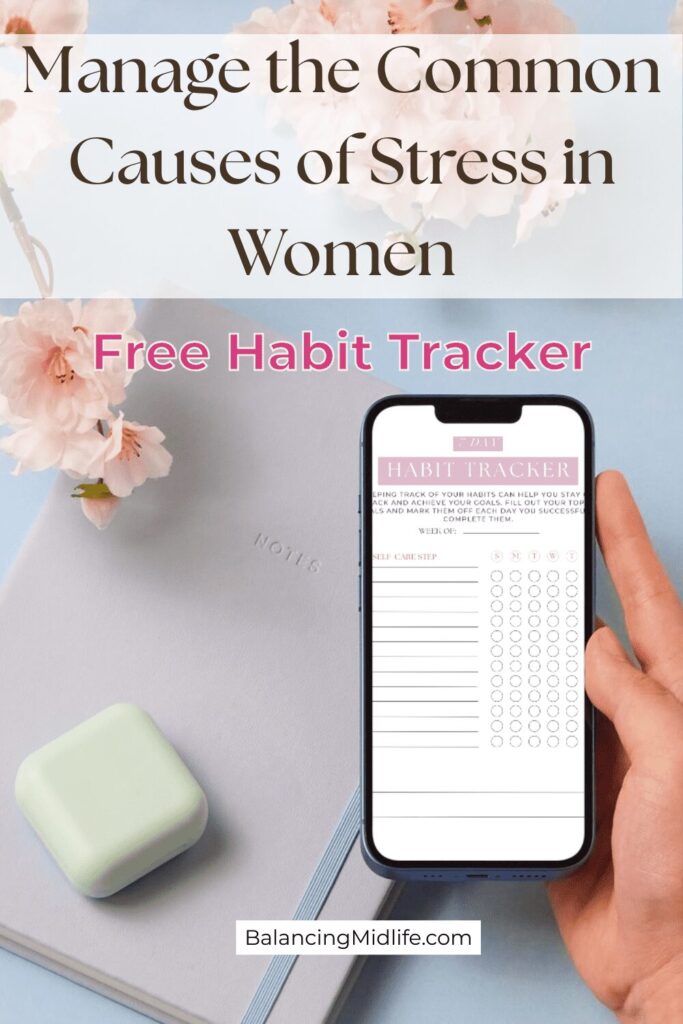
If you are working on building better routines, be sure to grab your free habit tracker here to help you stay consistent with small stress-reducing habits.

My posts may contain affiliate links. If you purchase through one of these links, you will not pay a penny more, but I will receive a small commission. Please read my disclaimer for more information.

Signs of Chronic Stress in Women

Before we look at the causes, here are some common signs of chronic stress in women:

  • Constant fatigue
  • Brain fog and forgetfulness
  • Irritability or mood swings
  • Trouble sleeping
  • Feeling overwhelmed by daily tasks
  • Emotional eating

According to the Mayo Clinic, chronic stress can affect your mood, sleep, immune system, and overall health, which is why learning to manage stress is so important.

1. Work-Life Balance: One of The Common Causes of Stress in Women

One of the biggest causes of stress in women is trying to juggle a career, household responsibilities, and family life.  The mental load of remembering appointments, meals, schedules, and tasks can be exhausting.

Stress management tips for busy women

If this is a struggle for you, read my post on balancing work and family responsibilities for practical strategies.

Related Post: 10 Tips to Help Manage the Challenges of Balancing Work and Family

2. Financial Stress and Money Worries: Another One of The Common Causes of Stress in Women

Financial pressure is another major stress trigger for women, especially when managing a household, paying off debt, or trying to save.

How to manage financial stress

  • Schedule a weekly 15-minute budget check-in
  • Track spending to reduce uncertainty
  • Automate savings, even in small amounts
  • Focus on progress instead of perfection

Creating a simple money routine can reduce daily anxiety and help you feel more in control.

3. Relationship Stress and Emotional Overload

Relationship stress can come from partners, family, friendships, or feeling responsible for everyone else’s needs.

Stress management tips for relationships

  • Set clear and gentle boundaries
  • Schedule regular connection time
  • Practice saying no without guilt
  • Take personal time each week

You may also find helpful ideas in my post on nurturing strong and healthy relationships.

Related Post: 20 Simple Strategies for Building Strong Connections: A Guide on How to Nurture Relationships  

man and woman talking.  Relationships can be a common cause of stress in women
Photo by charlesdeluvio on Unsplash

4. Health Concerns and Lack of Self-Care: Another One of the Causes of Stress in Women

When your health is not a priority, stress becomes harder to manage.  Lack of sleep, poor nutrition, and no movement can increase anxiety and fatigue.

Simple self-care habits to reduce stress

  • Make sleep non-negotiable
  • Add short daily walks or stretching
  • Plan simple, nourishing meals
  • Keep up with regular health checkups

For more support, read my post on creating healthy habits for long-term wellness.

Related Post: How to Create Healthy Habits for a Lifetime of Wellness  

5. Body Image and Unrealistic Expectations

Social media and unrealistic beauty standards can negatively affect mental health and increase stress.

Ways to Reduce Body Image Stress, One of the Common Causes of Stress in Women

  • Unfollow accounts that trigger comparison
  • Focus on strength and health instead of appearance
  • Wear clothes that fit and feel good now
  • Practice daily gratitude for your body

You are not meant to look like anyone else. Your value is not based on appearance.

woman looking in the mirror with a positive body image
Photo by Alexander Mass on Unsplash

A 10-Minute Stress Reset to Manage Stress in Women

When you feel overwhelmed, try this quick stress management routine:

  1. Take five slow, deep breaths
  2. Write down everything on your mind
  3. Choose one small task to complete
  4. Drink a glass of water
  5. Step outside or stretch for two minutes

This simple reset helps calm your nervous system and improves focus.

habit tracker to help manage the common causes of stress in women

Daily Habits That Help Reduce Stress in Women

Small daily habits can make a big difference.

When you start setting intentional personal growth goals, it becomes much easier to create daily habits that reduce stress and support a calmer, more balanced life.

  • Follow a consistent morning routine
  • Do a 10-minute declutter to reduce visual stress
  • Plan meals for the week
  • Go to bed at the same time each night
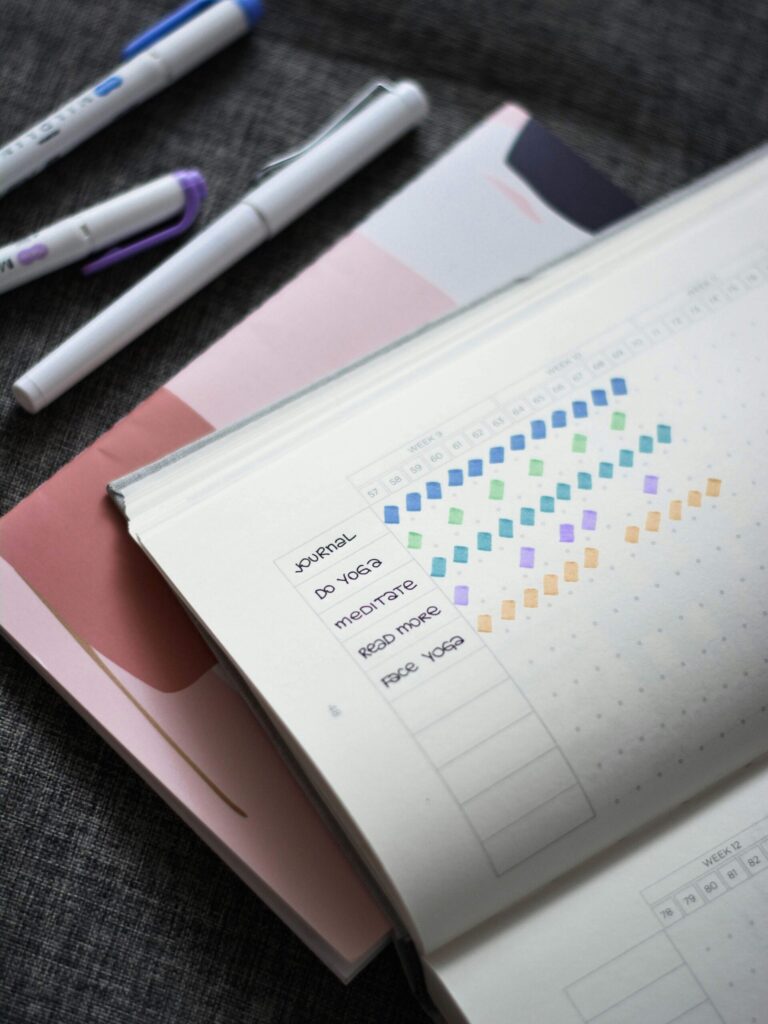
  • Use a habit tracker to stay consistent

If clutter adds to your overwhelm, download my free decluttering checklist to get started.

When to Seek Help for Chronic Stress

If stress is affecting your sleep, health, or ability to function day to day, it may be time to talk to a doctor or mental health professional.  Seeking support is an important part of stress management.

A Practical Weekly Plan to Manage the Common Causes of Stress in Women

Here is an easy routine to follow:
Monday: Meal plan
Wednesday: 10-minute declutter
Friday: Financial check-in
Daily: 5-minute stress reset


Use your habit tracker to build these into your routine one step at a time.

FAQs About Common Causes of Stress in Women

What are the most common causes of stress in women?

Work-life balance, financial pressure, relationship challenges, health concerns, and unrealistic expectations are the most common causes.

How can a busy woman manage stress daily?

A short daily routine that includes deep breathing, prioritizing tasks, movement, and proper sleep can significantly reduce stress.

What are the symptoms of chronic stress in women?

Fatigue, brain fog, irritability, poor sleep, and feeling overwhelmed are common signs.

Conclusion

The common causes of stress in women are real and often connected to the many roles women carry each day.  Keep in mind that you do not need to change everything at once.  By adding small stress management habits and focusing on what matters most, you can create more balance and calm in your daily life.

Start with one simple change this week and build from there.

Which of these stressors affects you the most right now?

Other Posts You May Enjoy

Be sure to Pin this for later to help you manage the common causes of stress in women!

Pinterest image for common causes of stress in women
how to make time for yourself in midlife with a calm morning routine and planner

How to Make Time for Yourself in Midlife Even When Life Feels Overwhelming

If you have been wondering how to make time for yourself in the middle of work, family, responsibilities, and the mental load that never seems to stop, you are not alone. Many midlife women feel stretched in every direction. You may be caring for children, supporting aging parents, managing a household, working, and trying to hold everything together. It is no surprise that your own needs often fall to the bottom of the list.

Making time for yourself in midlife is not selfish. It is essential for your mental health, physical energy, and emotional well-being. When you take care of yourself, you show up better for everyone else. If you need a starting point, begin with these simple self-care habits for midlife women.

Related Post: 10 Simple Self-Care Tips for Women To Improve Well-Being Every Day

Why Midlife Women Struggle to Make Time for Themselves

This season of life comes with unique challenges.

You may be part of the sandwich generation, caring for both children and parents.
Hormonal changes can affect your sleep, mood, and energy.
Your career may be at its busiest point.
You carry the invisible mental load of running a home.
You may feel guilty when you try to rest.

All of this makes it harder to figure out how to make time for yourself, even when you know you need it.

My posts may contain affiliate links. If you purchase through one of these links, you will not pay a penny more, but I will receive a small commission. Please read my disclaimer for more information.

Signs You Need More Time for Yourself

Sometimes the biggest sign is how you feel.

You feel exhausted even after a full night of sleep.
You feel irritable or overstimulated by small things.
You have no patience for anyone, including yourself.
You cannot remember the last time you did something you enjoy.
You feel disconnected from who you are outside of your roles.
You feel guilty when you sit down to rest.
You are constantly overwhelmed by your to-do list.

These are not personal failures. They are signals that your body and mind need care.

Taking time for yourself helps regulate your nervous system, improves your mood, and gives you the energy to handle daily life. Even short, consistent self-care habits can make a noticeable difference.

signs you need to make time for yourself when feeling overwhelmed in midlife
Photo by Katherine Hood on Unsplash

The Benefits of Making Time for Yourself in Midlife

When you begin to prioritize yourself, you will notice real changes.

You reduce stress and anxiety.
You improve your sleep.
You have more patience and emotional balance.
You feel more like yourself again.
Your relationships improve because you are no longer running on empty.

How to Make Time for Yourself When You Feel Like You Have None

If you feel like there is absolutely no time in your day, you do not need more hours. You need small pockets of protected time.

Start with ten minutes. Put it in your planner. Treat it like an appointment that cannot be canceled. Set one gentle boundary so that time stays yours. Then track how you feel after a week.

Learning how to make time for yourself is about intention, not perfection.

10 Realistic Ways to Make Time for Yourself

Start with 10 minutes a day

Ten quiet minutes with coffee, stretching, prayer, journaling, or simply sitting in silence counts.

Put it on your calendar

If it is not scheduled, it will not happen.

Use a simple planning system

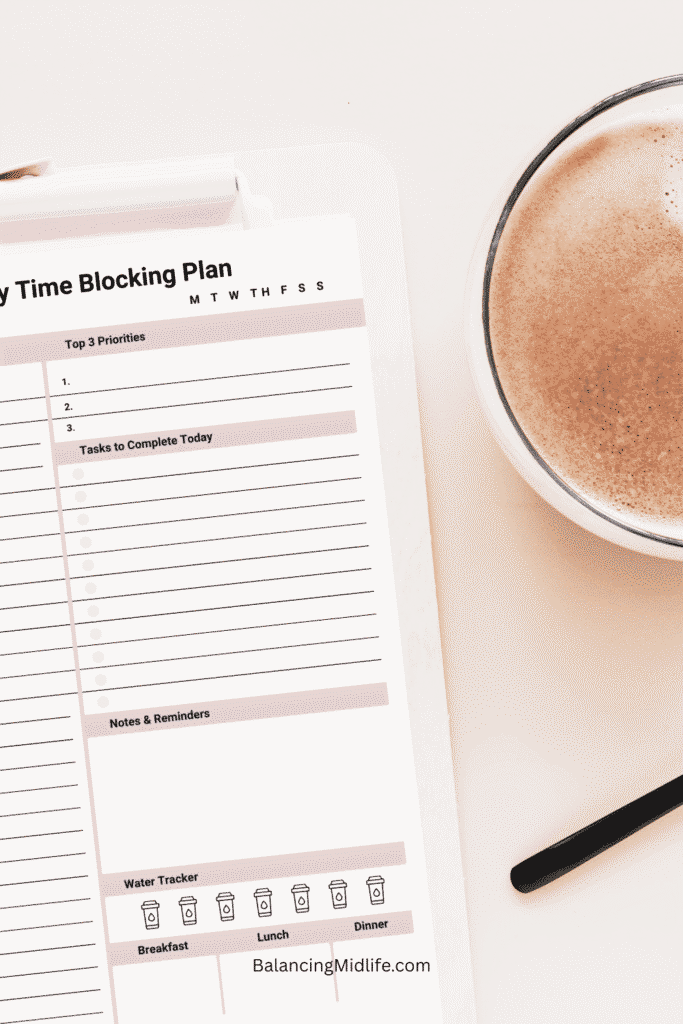
One of the easiest ways to stay consistent is to see your priorities on paper. A time block planner helps you assign specific times for your responsibilities and your self-care so your needs do not get pushed aside. When you visually block time for yourself, you are far more likely to follow through.

You can use my printable time block planner to map out your day and protect your personal time in a realistic way.

Related Post: How to Use a Time Block Planner for Productivity and Focus

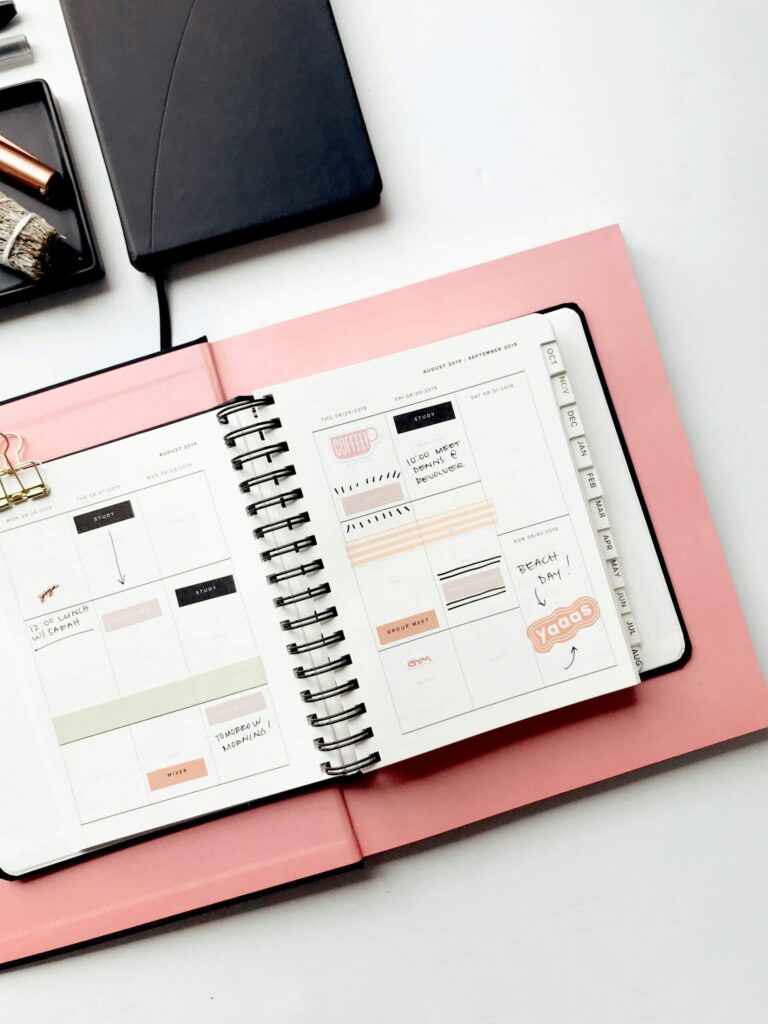
time block planner to help make time for yourself

Do a weekly check-in with yourself

Ask what you need this week. More rest. A walk. Quiet time.

Set gentle boundaries

You do not have to say yes to everything.

Simplify your commitments

Let go of what no longer serves you.

Create a morning or evening ritual

Create a short morning or evening ritual that helps you feel grounded. This could be stretching, prayer, quiet coffee, journaling, or stepping outside for fresh air.

If you need ideas, read my mindful morning routine for midlife women or my simple evening routine to help you wind down and sleep better.

Move your body

Even a short walk counts. Read why exercise is important for women in midlife.

Related Post: Exercise For Women Of Middle Age IS Important! Here Are 4 Reasons Why

woman stretching outdoors, practicing self-care making time for herself
Photo by Margaret Young on Unsplash

Do a brain dump

Write everything that is swirling in your mind onto paper.

If you need guidance, try using these simple journal prompts to turn your brain dump into meaningful reflection.

Choose one thing that brings you joy

Joy is part of your well-being.

A Simple Daily Routine for Midlife Women

Here is an example of how to make time for yourself without changing your entire schedule.

Morning
Sit with coffee for five minutes in silence
Write one gratitude in your journal
Stretch for five minutes

Midday
Step outside for a ten minute walk
Eat lunch without scrolling your phone

Evening
Do a brain dump in your planner
Read for ten minutes instead of watching TV
Go to bed fifteen minutes earlier

This routine takes less than thirty minutes total and can make a noticeable difference in your energy and mood.

Let Go of the Superwoman Myth

Many midlife women were taught to put themselves last. You may feel guilty when you rest. You may believe you should be able to do it all.

You do not have to do it all.

Learning how to make time for yourself means saying no when needed, asking for help, delegating tasks, and accepting that rest is productive.

Make Time for Yourself at Home

Your home routines can support your self-care. When your space feels calmer, your mind feels calmer. Start with small changes using these time-saving tips at home.

If you are working on building healthier habits, read How To Create Healthy Habits for a Lifetime of Wellness.

Related Post: How to Create Healthy Habits for a Lifetime of Wellness

A Simple 5-Step Plan to Start This Week

  1. Choose one ten minute self-care activity
  2. Write it in your planner
  3. Set one small boundary
  4. Do a daily brain dump
  5. Track how you feel at the end of the week

Consistency matters more than perfection.

How Journaling Helps You Stay Consistent

Journaling is a powerful tool for midlife women who are learning how to make time for themselves. It creates a quiet moment in your day where you can process emotions, track habits, and recognize progress.

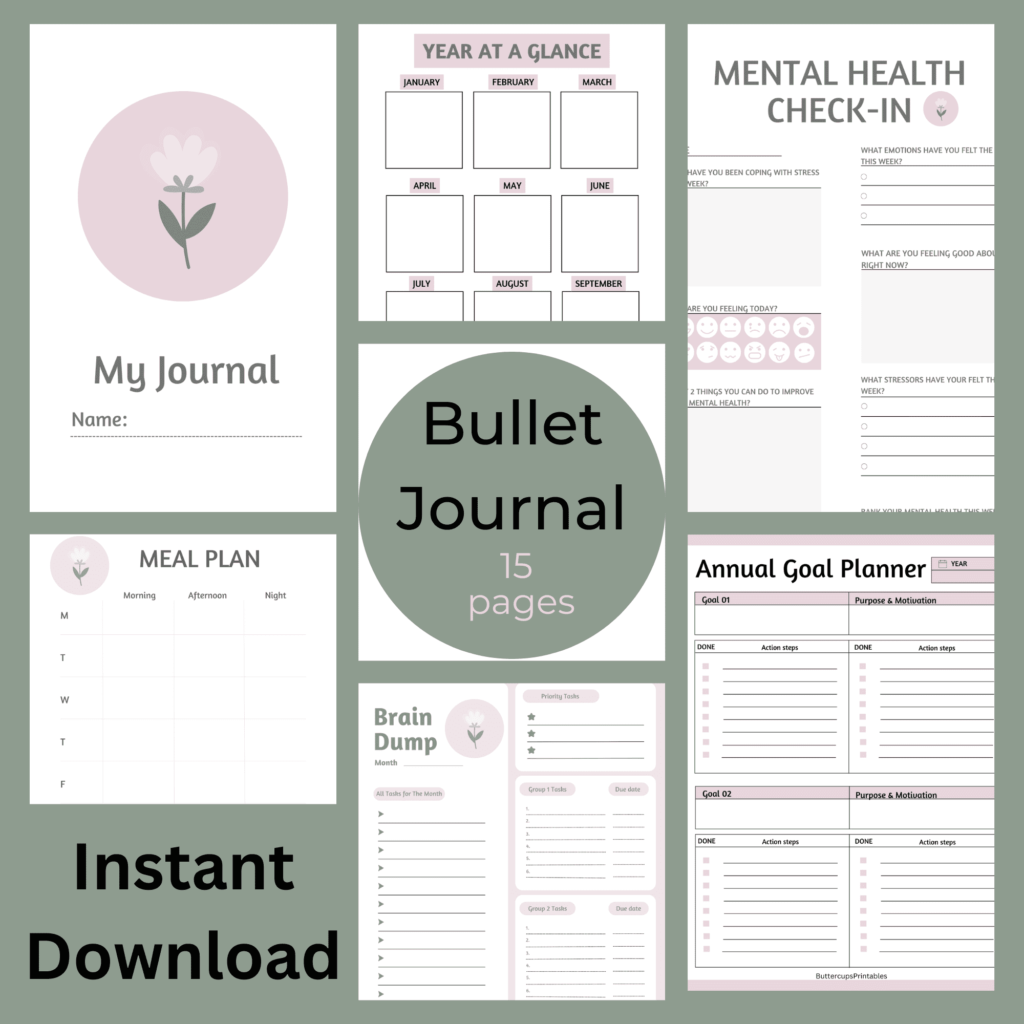
Having a simple system removes the pressure of knowing what to write. My printable bullet journal was designed to guide you with flexible pages you can print as needed.

It includes daily reflections, gratitude pages, habit and mood tracking, mental health check-ins, brain dump space, meal planning, and yearly goal pages. It helps you stay consistent without feeling overwhelmed.

You can find the printable bullet journal here and start building a calm daily routine.

Printable journal

Frequently Asked Questions

How do I make time for myself as a busy midlife woman

Start with ten minutes a day. Schedule it and treat it as a non-negotiable appointment.

Is it selfish to prioritize myself in midlife

No. Taking care of yourself improves your health and your relationships.

What is a realistic self-care routine in midlife

Short daily habits such as journaling, walking, stretching, quiet time, and simple planning.

If you are working on making more space for yourself in this season of life, these posts will support you:

You Deserve This Time

You are not asking for too much. You are asking for what you need.

Learning how to make time for yourself in midlife is how you protect your energy, your health, and your sense of identity. Start small. Stay consistent. Let go of guilt.

If you want a simple way to stay on track, my printable bullet journal will help you build a daily self-care routine that actually fits your life.

What is one ten minute self-care habit you can start this week?

If you enjoyed this blog post, don’t forget to subscribe to our blog for more inspiring ideas and tips. You can also follow us on PinterestFacebookInstagram and Flipboard.

Pin this for easy tips to create daily self-care time, even on busy days.

Mindset hacks for the changing seasons

Mindset Hacks for the Changing Seasons That Will Boost Your Mood Year-Round

As women in midlife, we’re no strangers to change, whether it’s in our bodies, routines, or energy levels. But one shift we don’t always talk about is how the seasons affect our mindset. That’s where mindset hacks for the changing seasons can be a powerful form of self-care.

Each season brings a different rhythm, and when we learn to work with those changes, rather than fight them, we feel more grounded, present, and at ease.

My posts may contain affiliate links. If you purchase through one of these links, you will not pay a penny more, but I will receive a small commission. Please read my disclaimer for more information.

Winter Mindset Hacks to Feel More Balanced in the Cold Months

Winter naturally invites a slower pace, and honestly, that can be a good thing. But with shorter days, colder temps, and less sunlight, it’s also easy to feel a little off.

That’s where mindset hacks for the changing seasons really come in, helping you stay grounded, uplifted, and more in tune with what your body and mind need during the winter months.

Here are five gentle mindset shifts to help you feel more balanced during the winter season:

  1. Embrace the slower rhythm – Give yourself permission to rest more. Cozy nights in, early bedtimes, and quiet mornings can be exactly what your mind and body need.
  2. Get outside when you can – Even on chilly days, a little fresh air and sunlight can help boost your mood. Natural light supports your sleep cycle and helps keep your mindset strong.
  3. Move your body regularly – Gentle movement like walking, stretching, or yoga releases endorphins, which naturally help boost your mood.
  4. Nourish your body with seasonal foods – Soups, stews, root vegetables, and warming spices are comforting and energizing. Eating well supports both your body and your mindset.
  5. Create cozy rituals – Warm up with a cozy drink, dive into a good book, or light a candle. These simple rituals can bring you comfort and help you feel more grounded and joyful during the winter months.

Related Post: Overcome The Winter Blues With These Easy Self-Care Tips

bird in winter scenery

Mindset Hacks for the Changing Seasons and a Fresh Spring Start

Spring is all about fresh starts. The days get longer, flowers are starting to bloom, and you might notice a natural pull to refresh not just your space, but your mindset too.

It’s the perfect time to lean into mindset hacks for the changing seasons, shaking off the heaviness of winter and stepping into a lighter, more energized version of yourself.

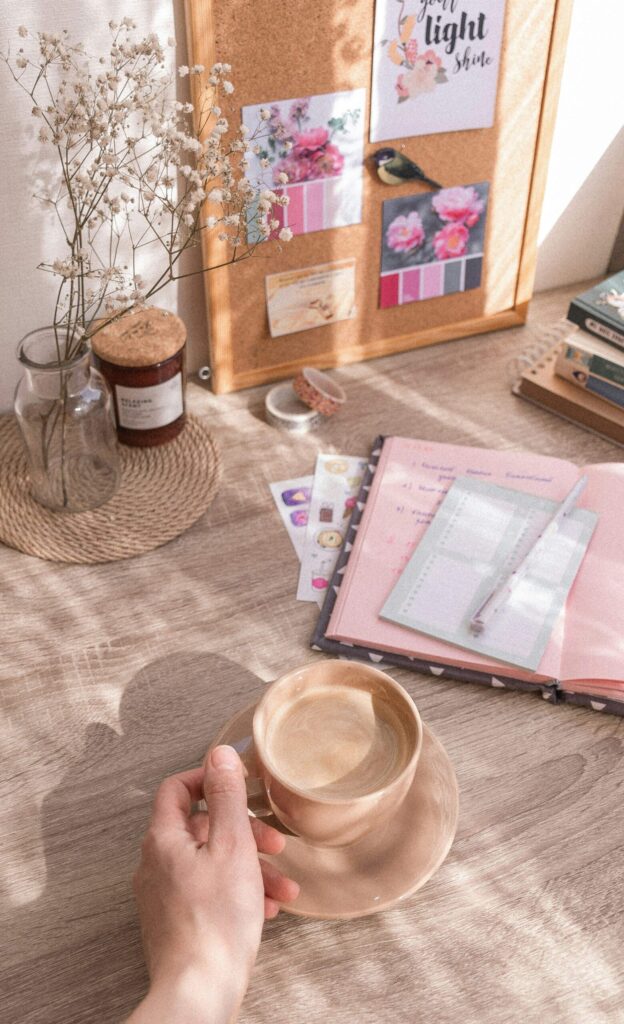
flowers, coffee and a journal

Here are five gentle mindset shifts to help you embrace new beginnings and feel more inspired during the spring season:

  1. Declutter your space, declutter your mind – Letting go of what no longer serves you both physically and mentally can be incredibly freeing.
  2. Take time to reflect and reset – Journaling or quiet walks in nature can help you tune in to your goals and how you want the rest of the year to feel.
  3. Set fresh intentions – Spring is a great time to set small, doable goals. Focus on progress, not perfection.
  4. Move with joy – Get outside and move your body in ways that feel good. Fresh air and movement equal a major mindset boost.
  5. Fuel your energy – Enjoy lighter, colorful meals that energize you. Think greens, berries, citrus, and smoothies.

Related Post: Top 10 Spring Wellness Tips for A Fresh Start

Summer Mindset Hacks to Stay Grounded and Energized

Summer often brings a burst of energy, longer days, and more time spent outside. But the go-go-go pace and heat can leave you feeling drained if you’re not intentional.

Mindset hacks for the changing seasons can help you stay grounded while still soaking up all the sunshine and fun. It’s all about finding that sweet spot between being active and allowing yourself to slow down and just be.

Here are five refreshing mindset tips to help you stay relaxed, recharged, and connected to the present moment during the summer season:

  1. Stay hydrated and nourished – Water-rich foods and plenty of fluids help support mental clarity and physical energy.
  2. Soak up the sunshine – Spending time outdoors can improve your mood and lower stress levels. Just don’t forget your mineral SPF!
  3. Schedule time for rest – Even during the busy summer months, downtime is essential. Give yourself permission to unplug and recharge.
  4. Be intentional with your time – Make a list of things you’d love to do this summer and actually plan them.
  5. Keep your mindset light – Let go of the pressure to do everything. It’s ok to say no and enjoy the slow moments.

Related Post: 50 Summer Bucket List Ideas To Try: Your Best Summer Yet

Beach scene - Mindset hacks for the changing seasons

Mindset Hacks for the Changing Seasons: Fall Reflection and Reset

Fall invites us to cozy up, reflect, and settle into new rhythms. The shift in weather and routine is a great reminder to pause and check in with yourself.

Using simple mindset hacks for the changing seasons can help you stay centered as the year begins to wind down. It’s the ideal time to refocus your goals, enjoy the beauty around you, and prepare for a more intentional end to the year.

fall leaves - mindset hacks for the changing seasons

Here are five thoughtful mindset changes to help you find clarity and reset during the fall season:

  1. Reflect on the year so far – Take time to pause and check in with yourself. What’s gone well? What needs adjusting?
  2. Embrace cozy structure – Fall is the perfect time to ease back into routines and create habits that support your well-being.
  3. Enjoy nature’s beauty – A walk among fall leaves, warm drinks, and crisp air can do wonders for your mindset.
  4. Nourish your creativity – Journaling, baking, or starting a new hobby can help you reconnect with yourself.
  5. Prep for the season ahead – Start thinking about what you want winter to feel like. What routines, boundaries, or mindset shifts will support you?

Related Post: 50 Fall Journaling Prompts for Women in Midlife: Nurturing Mindfulness and Inner Growth

Final Thoughts

The end of one season and the beginning of another is the perfect time to reset your mindset. With just a few intentional shifts, you can feel more grounded, energized, and at peace throughout the year.

Whether you’re lighting a candle in winter, planting new intentions in spring, soaking up the sun in summer, or embracing fall routines, these mindset hacks for the changing seasons are simple, supportive ways to care for yourself all year long.

Do you have any favorite seasonal mindset tips or routines? Share them in the comments, I’d love to hear what helps you stay balanced through each season.

If you enjoyed this blog post, don’t forget to subscribe to our blog for more inspiring ideas and tips. You can also follow us on PinterestFacebookInstagram and Flipboard.

Related Posts:

mindset hacks for the changing seasons