
What if you don’t need to organize your life better, but simply simplify it? This simplify your life checklist includes 40 practical ways to make everyday life easier, from your home and schedule to your spending, digital life, relationships, and expectations.
I’ve found that simplifying my life usually isn’t about making one big change. It’s noticing the little things that have gradually become more complicated than they need to be. A closet that’s too full, a calendar that’s too busy, too many emails, or commitments that no longer fit my life.
If you’ve been wondering how to simplify your life, start by looking at what creates the most friction in your everyday life. You don’t need to tackle all 40 ideas. Choose a few that would make the biggest difference and start there.
My posts may contain affiliate links. If you purchase through one of these links, you will not pay a penny more, but I will receive a small commission. Please read my disclaimer for more information.
1. Simplify Your Life Checklist: Start With Your Home
Our homes can become complicated little by little. A few things come in, nothing goes out, and suddenly the closets are full, the counters are crowded, and finding what you need takes longer than it should.
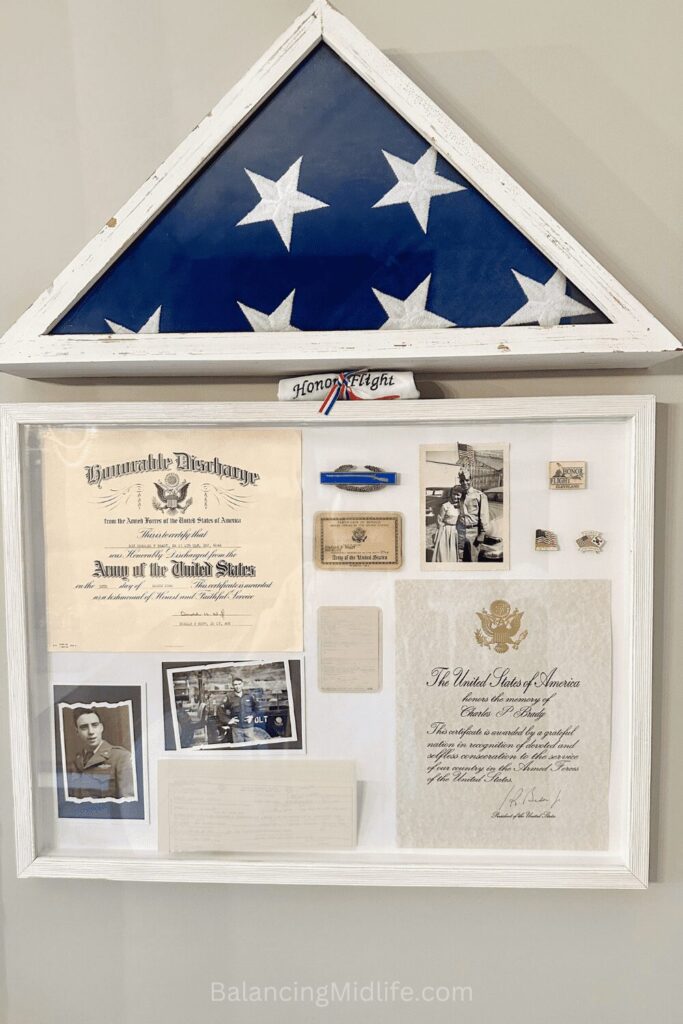
I’ve learned that some of the hardest things to let go of aren’t necessarily the things I use. They’re the things that remind me of someone, somewhere, or a particular time in my life. That’s why I don’t think simplifying your home means getting rid of everything that doesn’t serve a practical purpose.
Simplifying your home isn’t about getting rid of everything you own. It’s about reducing clutter and making your home easier to live in.
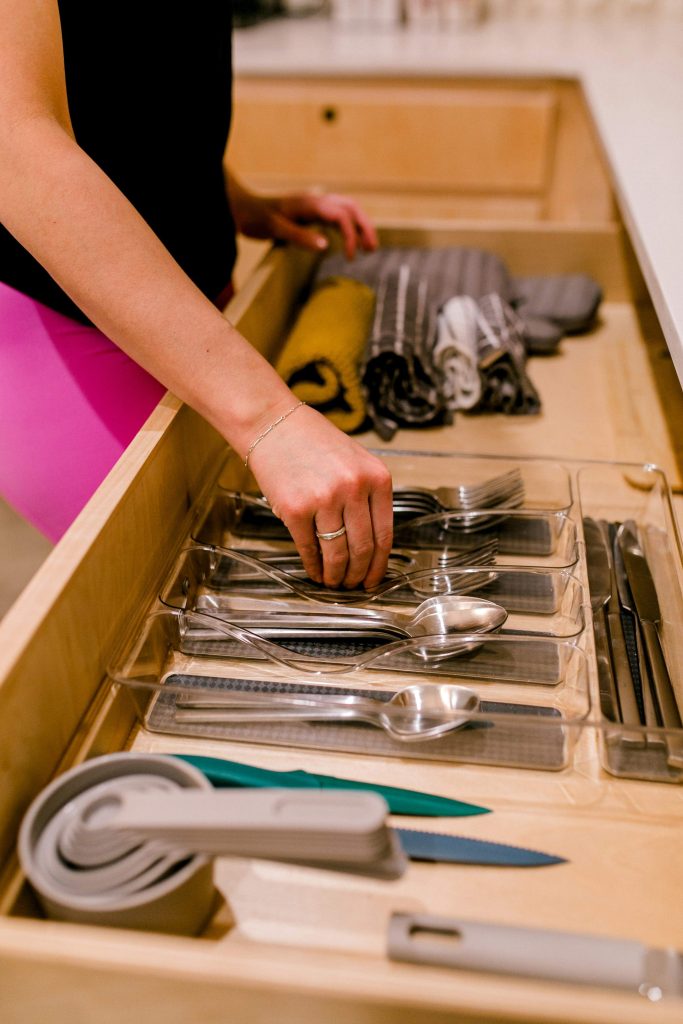
Simplify Your Life Checklist: Start With One Small Area In Your Home
You don’t need to spend an entire weekend decluttering your house.
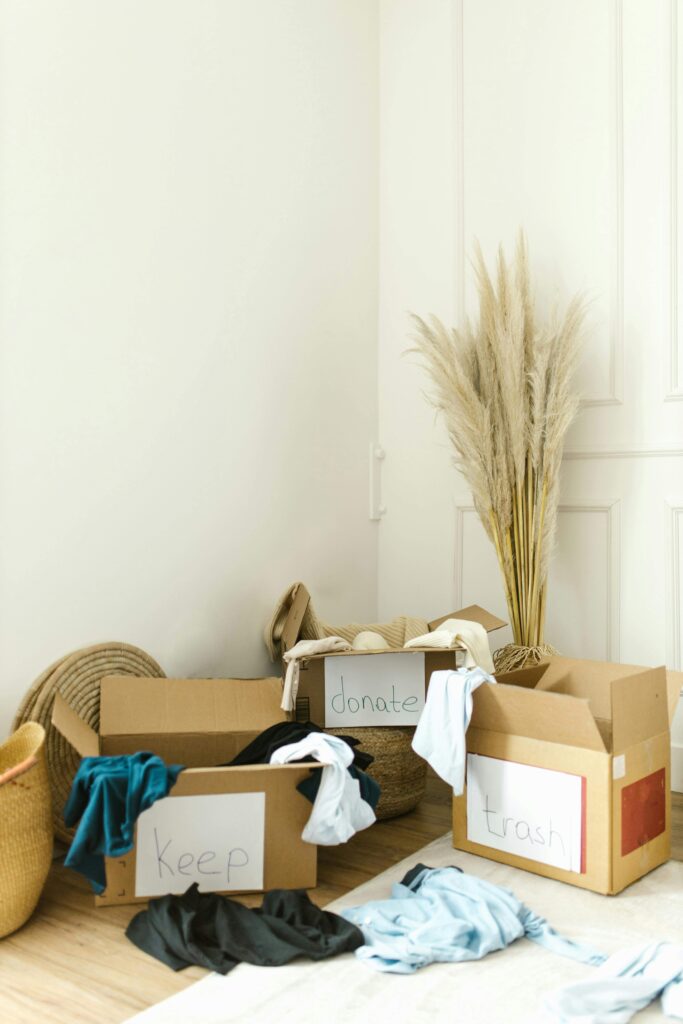
Choose one drawer, cabinet, shelf, or corner and deal with that space. Once it’s done, you can decide whether to tackle another.
If you need help getting started, I share a simple approach in How to Declutter Your House in One Day.
Let go of things you’re keeping out of guilt
Some things are difficult to get rid of because they represent a person, a memory, or a particular time in your life.
But keeping something because you feel guilty about letting it go isn’t necessarily a good reason to keep it.
My post on how to declutter sentimental items walks through simple ways to make these decisions without feeling like you’re throwing away the memories themselves.
Shop your home before buying something new
Before buying another basket, kitchen gadget, picture frame, sweater, or decorative item, take a look at what you already have.
You may already own something that will work.
Make everyday items easier to access
The things you use all the time shouldn’t be buried behind things you rarely use.
Move everyday dishes, clothing, toiletries, kitchen supplies, and other frequently used items where you can easily reach them.
A little rearranging can save you time every single day.
Create a simple home reset routine
You don’t need to clean your entire house every evening.
Instead, decide what few things make the biggest difference to how your home feels. Maybe it’s clearing the kitchen counters, putting things back where they belong, or doing a quick living room tidy-up.
Keep the routine simple enough that you’ll actually do it.
2. Simplify Your Schedule and Make More Room
One of the easiest ways to simplify your daily life is to take a closer look at how you’re spending your time.
I’ve become much more aware of how quickly a week can fill up. It’s easy to look at an open space on the calendar and think, “I could fit something in there.” I’ve started looking at those open spaces differently. Sometimes leaving them empty is exactly what I need.
Simplifying your schedule isn’t about squeezing more into your day. It’s about creating a schedule that leaves room for the things that matter.
Stop automatically saying yes
You don’t have to answer every invitation or request immediately.
Try saying, “Let me check my calendar and get back to you.”
That gives you a chance to decide whether you actually have the time and whether you want to make the commitment.
Leave some white space on your calendar
Not every hour needs to have a purpose.
Leave some time open for errands that take longer than expected, an unexpected phone call, sitting with your coffee, reading, taking a walk, or simply doing nothing for a while.
A space on your calendar isn’t necessarily wasted time.

Batch similar tasks together
If you have several errands to run, try doing them on the same day.
The same idea works for phone calls, emails, household paperwork, meal preparation, or other tasks that tend to interrupt your day.
Grouping similar tasks can make your schedule feel less scattered.
Simplify your morning routine
Your morning doesn’t need to contain twelve different habits to be a good morning.
Look at what you’re currently doing and ask yourself what actually helps you start your day well.
If mornings tend to feel rushed, you may also enjoy these mindful morning routine ideas.
Choose a few priorities each day
A long to-do list can make everything seem equally important.
Instead, choose a few things that really need your attention that day. Everything else can move to another day if necessary.
Give yourself permission to do less
This may be one of the hardest ways to simplify your life.
There will always be another load of laundry, another email, another errand, another project, or another thing you could be doing.
You don’t have to finish everything before you sit down.
If you need ideas for finding more personal time in a busy schedule, take a look at How to Make Time for Yourself in Midlife.
3. Simplify Your Mental Load
Sometimes it’s not the amount of work that makes life feel complicated. It’s the number of things you’re constantly trying to remember.
Appointments. Grocery lists. Birthdays. Bills. School schedules. Household projects. Things you need to buy. Things you need to call someone about.
Getting some of those things out of your head can make a difference by using the simplify your life checklist.
Get everything out of your head
Take a few minutes and write down everything you’re trying to remember.
Don’t organize it yet. Just get it onto paper.
Once it’s in front of you, you can decide what actually needs to be done.

Choose one place for your lists
If your grocery list is on your phone, your appointments are on a calendar, your reminders are on sticky notes, and your household projects are in your head, it’s easy to lose track of things.
Choose one primary place for your lists and reminders.
It doesn’t have to be fancy. It just needs to work for you.
Simplify recurring decisions
Look for decisions you make over and over again.
You might create a list of easy meals, a few outfits you know work, a simple grocery list, or a regular cleaning routine.
You don’t need to reinvent these decisions every week.
Unsubscribe from information you don’t need
Your inbox doesn’t need to be filled with things you don’t remember signing up for.
Unsubscribe from newsletters you don’t read, promotional emails you don’t need, and notifications that don’t add anything useful to your day.
Stop trying to solve every problem immediately
Some things can wait.
If a problem doesn’t need an answer today, give yourself permission to come back to it later.
Not everything deserves immediate attention.
Give yourself permission not to have every answer
Sometimes we make life more complicated by thinking we should already know what to do.
You can take some time to think, change your mind, ask someone for advice, or decide later.
4. Simplify Your Life Checklist: Make Self-Care Easy
I’m deliberately keeping this section simple because I don’t think you need another list of things to add to your already busy life.
If your self-care routine has become another list of things you feel like you should be doing, it’s probably time to simplify it too. Simple self-care doesn’t have to mean adding another set of habits to your day.
I’ve never been very interested in making self-care another long list of things I need to accomplish. If I have to schedule ten different things, buy a collection of products, and follow a complicated routine to feel like I’m taking care of myself, that doesn’t feel very relaxing to me.
Figure out what actually helps you feel restored
Think about what leaves you feeling better rather than what you’re told you should be doing.
Maybe it’s reading, walking, gardening, sitting quietly with your coffee, meeting a friend, getting outside, or having an hour alone.
Pay attention to what works for you.
Put time for yourself on the calendar
If you wait until you have extra time, you may never find it.
Look at your week and identify one small block of time that belongs to you.
It doesn’t have to be an entire afternoon.
Choose a few realistic habits
You don’t need a complicated morning routine, elaborate evening routine, or long list of wellness habits.
Choose a few things that fit naturally into your life.
Let rest count
You don’t have to accomplish something before you’re allowed to sit down.
Sometimes sitting down is exactly what you need to do.
Stop turning self-care into another obligation
If something that is supposed to make your life easier is making you feel like you’re falling behind, reconsider it.
You can simplify your routines instead of adding more to them.
You may also want to read my post about simple self-care organization ideas, especially if your home and routines could use a little simplifying.
5. Simplify Your Shopping and Spending
One of the simplest ways to simplify your life and reduce clutter is to become more intentional about what comes into your home.
Simplifying what comes into your home can make life easier in ways you may not immediately notice.

Create a waiting period for nonessential purchases
If you see something you want, you don’t necessarily have to buy it immediately.
Wait a day or two and see if you still want it.
Sometimes the desire disappears. Sometimes you realize you already have something similar.
Unsubscribe from shopping emails
It’s much easier to shop less when you’re not constantly being reminded about sales.
If you don’t need to know about every new arrival or limited-time offer, unsubscribe.
Shop your closet before buying clothes
Before buying something new for an upcoming event, season, or vacation, look through what you already own.
You may find something you’ve forgotten about.
And if you regularly wear only a portion of your wardrobe, that can tell you something about what you actually like to wear.
Try a temporary shopping pause
A shopping pause doesn’t have to be extreme.
You might decide not to buy clothing, home decor, or other nonessential items for a month.
Use the time to notice what you miss and what you don’t.
Buy fewer things that require maintenance
When you’re considering a purchase, think beyond the price.
Will it need to be cleaned, stored, repaired, organized, charged, updated, or maintained?
Sometimes the simplest choice is the one that creates the least work later.
6. Simplify Your Digital Life
Our phones and computers are supposed to make life easier, but they can also create an endless stream of information and interruptions.
Simplifying your digital life can be just as useful as decluttering your home.
Curate your social media feeds
You don’t have to follow someone just because you know them or used to enjoy their content.
Mute, unfollow, or remove accounts that leave you feeling stressed, inadequate, irritated, or simply uninterested.
Your feed can be a reflection of what you actually want to see.
Turn off nonessential notifications
Not every email, app, message, or update needs to interrupt you the moment it arrives.
Turn off notifications that aren’t necessary.
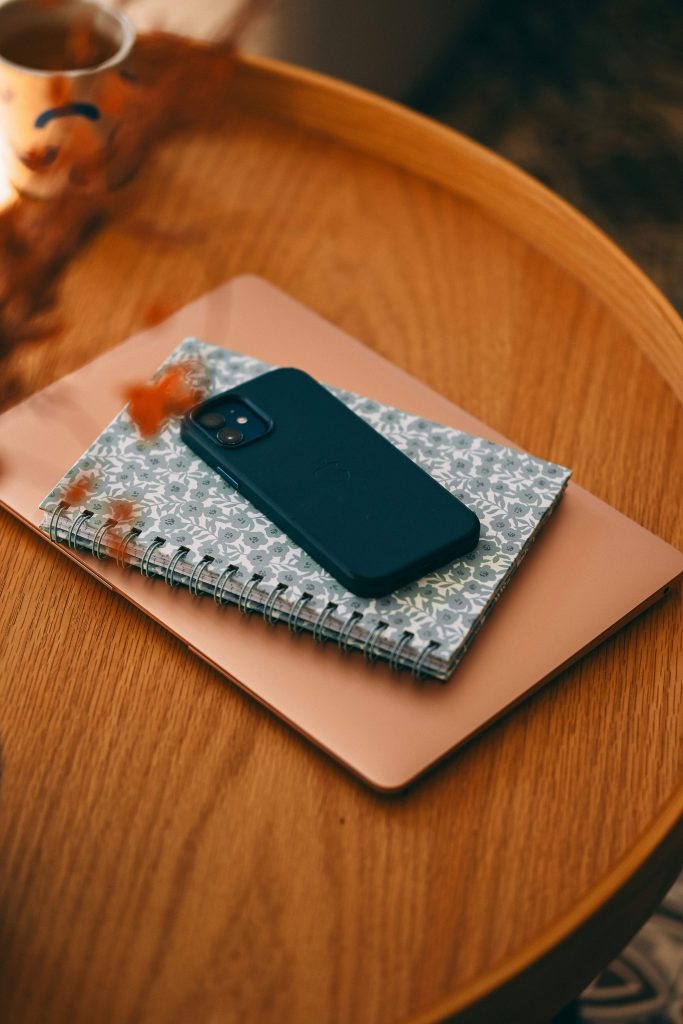
Simplify Your Life Checklist: Delete apps you don’t use
Take a few minutes to look through your phone.
If you haven’t opened an app in months, ask yourself whether you really need it.
Clean up your inbox
Delete old emails you don’t need and unsubscribe from things you never read.
You don’t have to get your inbox to zero. Just make it easier to find what matters.
Create phone-free periods
Try putting your phone away during meals, while you’re reading, during conversations, or for part of the evening.
You may be surprised by how much more time you seem to have when you’re not checking your phone every few minutes.
7. Simplify Your Relationships and Commitments
Simplifying your life also means looking at the commitments and relationships that take up your time and energy.
As you move through midlife, it’s reasonable to reconsider what still fits your life.

Stop saying yes out of guilt
You can care about someone and still say no.
Before agreeing to something, ask yourself whether you genuinely want to do it or whether you’re saying yes because you feel like you should.
Let other adults handle their own responsibilities
It’s easy to become the person who remembers everyone’s appointments, birthdays, schedules, errands, and deadlines.
But not every problem needs you to solve it.
Ask for help
If you’re always the one organizing, planning, cooking, cleaning, remembering, or coordinating, look for opportunities to share some of the responsibility.
You don’t have to do everything yourself.
Reconsider commitments that no longer fit
Take a look at the clubs, volunteer commitments, recurring events, groups, and obligations on your calendar.
Are there any that you continue simply because you’ve always done them?
You can decide that something has run its course.
8. Simplify Your Life Checklist: Keep Your Expectations Simple
At its heart, simplifying your life is really about intentional living. You’re deciding what deserves your time, attention, money, and energy rather than automatically saying yes to everything.
But sometimes the biggest change comes from deciding you don’t have to keep living according to expectations that no longer fit.
Stop trying to do everything perfectly
Your house doesn’t have to look perfect.
Dinner doesn’t have to be complicated.
Your holiday doesn’t have to look like someone else’s.
Your schedule doesn’t have to be full.
Good enough is often good enough.
Let go of outdated expectations
Maybe you once thought your life would look a certain way by this point.
Maybe you thought you’d have more time, a different career, a certain kind of home, or a particular family dynamic.
Life rarely follows the exact plan we imagined.
You don’t have to keep chasing an old version of what you thought your life should be.

Stop comparing your life to someone else’s
It’s especially easy to do this online.
Someone else’s beautifully decorated home, perfectly planned vacation, busy social calendar, or impressive accomplishments don’t tell you what their everyday life actually looks like.
Your life doesn’t need to resemble someone else’s to be a good life.
Decide what matters most to you now
This may be the most important item on the entire checklist.
What do you want more room for?
Maybe it’s time with family, time to travel, or to enjoy hobbies you haven’t been able to. Or perhaps it’s your home, friendships, creativity, reading, exercise, a quiet morning, or simply having less on your calendar.
Once you know what matters, it’s easier to decide what doesn’t.
The older I get, the more I appreciate having fewer things competing for my attention. I don’t necessarily want a smaller life. I want a life that feels more like mine. That means being a little more selective about what I spend my time on, what I bring into my home, and what I say yes to.
How to Use This Simplify Your Life Checklist
If you’ve made it through this entire checklist, you may be tempted to start making another list of everything you’re going to change.
Don’t.
That would be a little ironic.
Instead, choose three things that would make the biggest difference in your life right now.
Maybe you need to clean out your closet.
Maybe your calendar is too full.
Maybe your phone is demanding too much of your attention.
Maybe you’ve been saying yes to things you no longer want to do.
Or maybe you simply need to leave some space in your week.
Start there.
Simplifying your life isn’t about creating a perfectly organized home, an empty calendar, or a minimalist lifestyle.
It’s about making everyday life a little easier and making room for the things that are important to you.
You don’t have to simplify everything. You just have to start somewhere. You can come back to this simplify your life checklist whenever you need a reminder that making life easier doesn’t require changing everything.
Want a Simple Way to Get Started?
Download the free Simplify Your Life Checklist and use it to choose the areas of your life you’d most like to simplify.
Frequently Asked Questions About Simplifying Your Life
What does it mean to simplify your life?
Simplifying your life means intentionally reducing unnecessary possessions, commitments, decisions, distractions, and responsibilities so you have more time and energy for the things that matter to you. It doesn’t necessarily mean minimalism or getting rid of everything you own.
How can I simplify my life quickly?
Start with one area that’s creating the most friction. Clear one cluttered space, cancel an unnecessary subscription, remove a commitment from your calendar, or simplify a routine. Small changes can make everyday life easier without requiring a major lifestyle change.
How do I simplify my life after 50?
To simplify your life after 50, start by looking at what no longer fits your life. This might include possessions, commitments, routines, relationships, or expectations that made sense in an earlier stage of life but no longer feel necessary. Simplifying can be less about doing more efficiently and more about deciding what you no longer need to do.
Is simplifying your life the same as minimalism?
No. Minimalism is one approach to simplifying, but you don’t have to become a minimalist to simplify your life. You can keep the things you love while reducing the things that create unnecessary work, clutter, expense, or distraction.
How do I know what to simplify first?
Pay attention to what repeatedly makes you feel frustrated, rushed, overwhelmed, or inconvenienced. That’s often a good place to start. Choose one small change rather than trying to simplify everything at once.
If you enjoyed this blog post, don’t forget to subscribe to our blog for more inspiring ideas and tips. You can also follow us on Pinterest, Facebook, Instagram and Flipboard.
Other Posts You May Enjoy
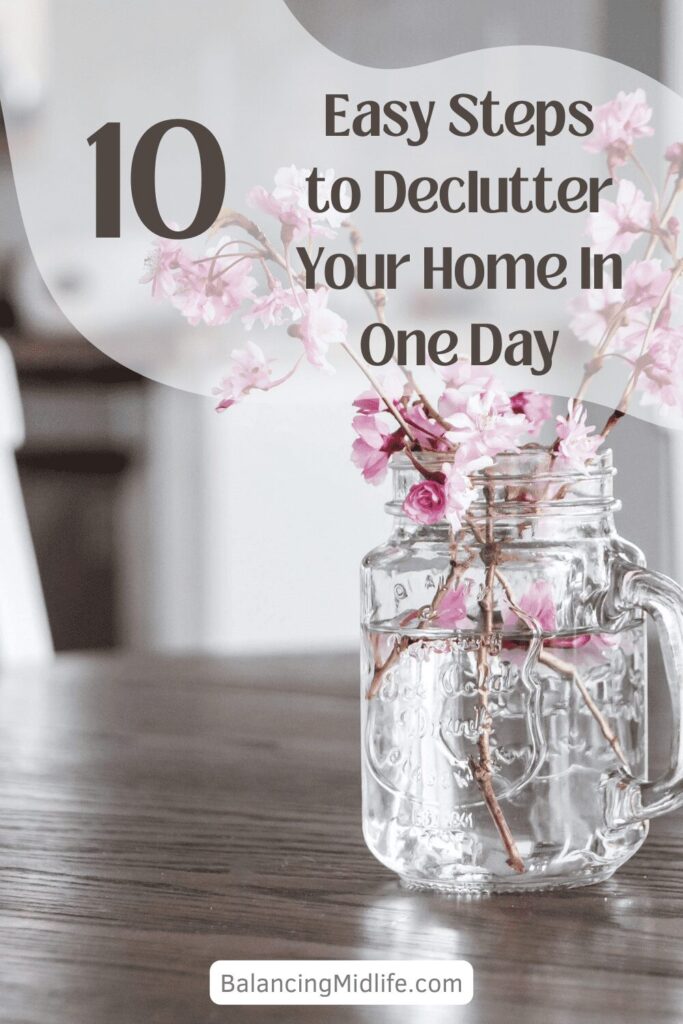
How to Declutter Your House in One Day
If you’re ready to simplify your home, this practical guide can help you break decluttering into manageable steps without feeling overwhelmed.
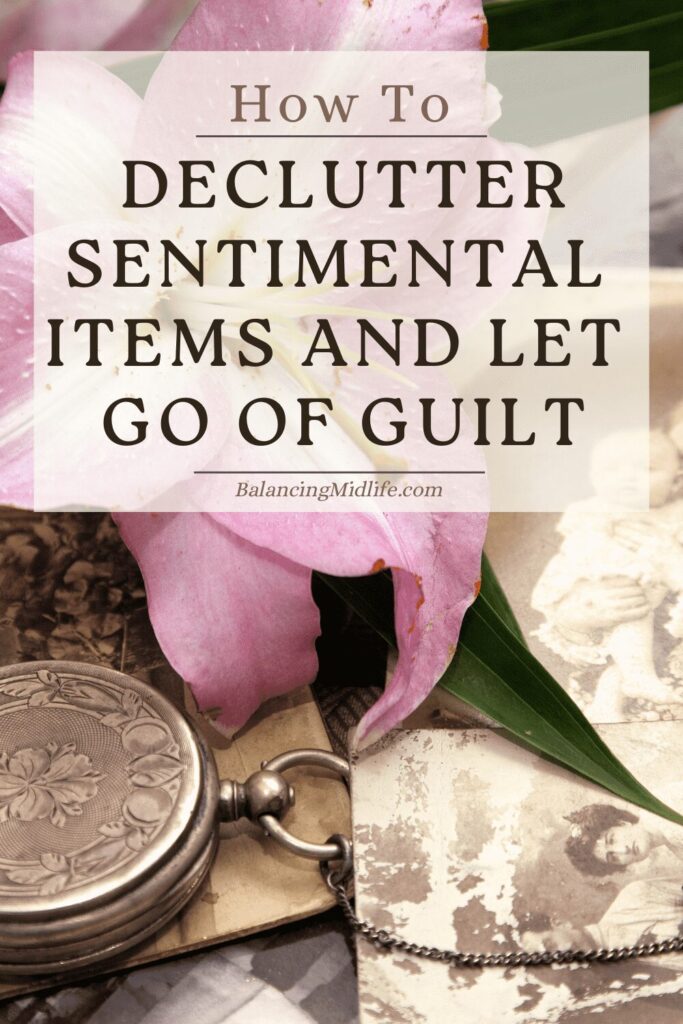
How to Declutter Sentimental Items
Sentimental clutter can be some of the hardest to let go of. Learn how to make thoughtful decisions while still honoring the memories behind your belongings.

How to Make Time for Yourself in Midlife
If your schedule is one of the areas that needs simplifying, these ideas can help you find more time for yourself without adding another complicated routine.
How to Use a Time Block Planner for Productivity and Focus
A simple time-blocking approach can help you organize your day, focus on what matters, and avoid overloading your schedule.

Simple Self-Care Organization Ideas
If your routines and self-care habits feel like one more thing to manage, these ideas can help you create a simpler approach.
Be sure to save this Simplify Your Life Checklist for later!