
Joyful spring activities for midlife women in a blooming outdoor setting

20 Joyful Spring Activities for Midlife Women

Spring is here, and it’s the perfect time to embrace spring activities that bring joy, refresh your routine, and help you feel more connected to the season. With longer days, blooming flowers, and warmer weather, it’s the ideal time for midlife women to enjoy gentle movement, self-care, and simple pleasures that lift your spirits.

From outdoor adventures to mindful practices and easy home projects, these 20 spring activities will help you enjoy the season without any pressure.

park bench surrounding by spring florals
mohamed-b-fmVeA9CYwR4-unsplash (1)

My posts may contain affiliate links. If you purchase through one of these links, you will not pay a penny more, but I will receive a small commission. Please read my disclaimer for more information. 

Here Are My Top 20 Spring Activities for Midlife Women

Outdoor Spring Activities for Midlife Women

 1. Take a Refreshing Nature Walk

One of the easiest spring activities is to step outside, breathe deeply, and notice the signs of spring; blossoming trees, cheerful flowers, and maybe even a bird or two.

Gentle walking supports joint health, boosts mood, and gives you a moment to feel grounded. This is a simple way to care for your body and mind in midlife.

Midlife woman enjoying a spring nature walk surrounded by blooming trees
stacy-9iiwJsEOjnw-unsplash (1)

2. Visit A Local Farmer’s Market

Smell fresh herbs, taste seasonal fruits, and enjoy the lively market atmosphere. Seasonal produce is packed with nutrients, supports energy, and gives you light movement and a sense of community.

 

Fresh seasonal fruits and vegetables at a local farmer’s market for spring activities
kelvin-zyteng-W-Tb-V_7tHY-unsplash (1)


3. Plant a Garden

Even a few pots on your balcony or herbs on a windowsill count! Watching things grow is surprisingly satisfying.

Gardening reduces stress, encourages gentle movement, and gives a sense of accomplishment as you nurture life.

4. Pack a Picnic

Grab a blanket, some fresh snacks, and head to a local park or your backyard.

Eating outside encourages mindfulness, fosters connection with friends or family, and turns a simple meal into a joyful experience.

Spring picnic setup outdoors for midlife women to enjoy the season
stacy-IcgBL025zyY-unsplash (1)

5. Go Horseback Riding

Explore scenic trails and enjoy a unique outdoor experience.

Riding gently moves your body, lifts your spirits, and connects you with nature even for a short ride.

Horseback riding is a fun spring activity

6. Take a Scenic Drive

A slow drive with windows down and blooming landscapes around you can be surprisingly restorative.

Scenic drives clear your mind, give a fresh perspective, and are perfect if long walks or hikes aren’t always easy.

7. Go for a Bike Ride

Even a short, leisurely ride can feel invigorating.

Cycling is gentle cardio that strengthens your legs, improves circulation, and releases endorphins for a natural mood boost.

Related Post: Exercise For Women Of Middle Age IS Important! Here Are 4 Reasons Why

Midlife woman enjoying a spring bike ride outdoors
anton-volnuhin-iCGSO7lzIGQ-unsplash (1)

Self-Care & Mindfulness

8. Start a Spring Journal

Capture gratitude, thoughts, or reflections as the season changes.

Journaling encourages mindfulness, reduces stress, and helps you notice little joys often overlooked in midlife.

Related post: The Surprising Ways Gratitude Journaling Benefits Your Midlife Mind And Mood

Spring journaling activity for midlife women with flowers and tea
jelena-mirkovic-nt3fSoyEfVU-unsplash (1)

9. Try a New Outdoor Hobby

Photography, painting, or gentle yoga. Try something that excites you.


Learning new skills keeps your mind active, encourages movement, and adds a sense of adventure without pressure.

Midlife woman enjoying outdoor hobbies as part of spring activities
raphael-nicolas-S-h_vjggYf0-unsplash (1)

10. Treat Yourself to a Spring Self-Care Day

Manicure, pedicure, facial, or a quiet bath, whatever helps you feel pampered.

Self-care rejuvenates body and mind, reduces stress, and reminds you that taking time for yourself is essential.

Related post: Self-Care Tips For Women:  Are You Really Taking Care Of Yourself?

11. Open Your Windows for Fresh Air

Let sunlight and spring breezes fill your home.

Fresh air improves mood, energy, and even sleep. It’s a small act that makes your home and day feel lighter.

Fresh spring air coming through open windows in a bright home
kateryna-hliznitsova-BweMfbsD6UU-unsplash (1)

12. Morning Mindfulness Outdoors

Sip your coffee or tea outside and notice the world waking up.

Starting your day with calm and connection to nature reduces anxiety, boosts clarity, and sets a positive tone.

Related post: Mindful Morning Routine Ideas to Start Your Day with Purpose

Fun Spring Activities at Home & in the Garden for Midlife Women

13. Do Some Spring Cleaning

Declutter a room, drawer, or corner, just enough to feel the difference.

A tidy space clears mental clutter, reduces stress, and creates a sense of order that midlife women often crave.


Related Post: Benefits of Decluttering Your Workspace:  A Simple Guide to Tidying Up

14. Set Up Your Outdoor Space

Cushions, string lights, and potted plants can transform your balcony or patio.

A welcoming outdoor area encourages relaxation, connection, and daily moments of joy.

15. Decorate Your Front Porch

Flowers, a seasonal doormat, or a cheerful wreath can instantly lift your spirits.

Small touches of color and life at your entryway create a mood boost every time you come home.

16. Set Up a Bird Feeder

Invite birds to your yard and enjoy their activity.

Birdwatching encourages mindfulness, curiosity, and a sense of wonder, providing gentle outdoor entertainment.

Birds visiting a backyard feeder during spring activities for midlife women
kingsyard-bird-feeder-2WFmQxHytiw-unsplash (1)

Social & Community Fun

17. Host a Barbecue

Invite friends or family for a simple outdoor meal.

Shared meals strengthen relationships, create memories, and let you enjoy longer spring evenings in good company.

18. Roast Marshmallows by a Campfire

Even a small backyard fire pit can make evenings magical.

Fun shared activities spark joy, laughter, and create traditions to look forward to.

19. Dine at an Outdoor Café

Lunch in the sunshine with a gentle breeze. These simple pleasures can feel luxurious.

Eating outside encourages mindfulness, makes meals more enjoyable, and helps you soak in the season.

20. Attend a Spring Festival or Flower Show

Check out local events, art fairs, or garden tours.

Seasonal outings stimulate your senses, spark creativity, and give you a fun goal to look forward to.

colorful flower display
quang-nguyen-vinh-8OQP-XFQ4R4-unsplash (1)

Frequently Asked Questions:

What Is A Common Spring Activity?

Picnicking! Spread a blanket, bring a few favorite treats, and enjoy the sunshine. Simple, satisfying, and low-stress.

How can I enjoy spring if I have limited mobility?

Window gardening, scenic drives, bird watching, or journaling outdoors are perfect ways to enjoy the season without strain.

What spring activities are best for beginners?

Short walks, picnics, farmers’ market visits, or small hobbies like sketching or photography—small steps still make a big difference.

Why is spring such a fun season?

Longer days, warmer temperatures, blooming flowers, and fresh seasonal produce make it the perfect time to enjoy the outdoors, practice self-care, and find joy in the little things.

Conclusion:

Spring is a season of renewal, and it’s here to remind us that life can be lighter, brighter, and full of little joys. Whether you’re exploring outdoors, sprucing up your home, or indulging in self-care, there’s a spring activity on this list just for you.

Which activity will you try first? Share your favorites in the comments.

If you enjoyed this blog post, don’t forget to subscribe to our blog for more inspiring ideas and tips. You can also follow us on PinterestFacebookInstagram and Flipboard.

Other Posts You May Enjoy:
 

Pin this list of spring activities to enjoy the season!

midlife woman enjoying spring tree blossoms

journal and cup of tea for time spent reflecting on developing a growth mindset and self-care habits

What Is a Fixed Mindset? How to Shift to a Growth Mindset in Midlife

What is a fixed mindset exactly, and how does it affect your confidence, personal growth, and self-care habits in midlife? If you have ever felt like it is too late to change, learn something new, or improve your life, you are definitely not alone. Many women struggle with fixed mindset thinking without even realizing it.

For years, I doubted myself constantly. I didn’t believe I could learn new things or step outside my comfort zone. Trying something new felt overwhelming, and more often than not, I would give up quickly if things did not come easily.

Over time, I realized this fixed mindset was affecting nearly every area of my life, including my confidence, stress levels, and even my self-care habits. The good news is that developing a growth mindset is possible at any age, and those small mindset shifts can truly change your life.

My posts may contain affiliate links. If you purchase through one of these links, you will not pay a penny more, but I will receive a small commission. Please read my disclaimer for more information.

What Is a Fixed Mindset?

According to WebMD, a fixed mindset is the belief that intelligence, talents, and abilities are something you are born with and cannot really change or improve.

In other words, people with a fixed mindset often believe:

  • They are either naturally good at something, or they are not
  • Failure means they are not capable
  • Challenges should be avoided
  • Mistakes are embarrassing
  • Growth is limited

On the other hand, a growth mindset is the belief that skills and abilities can improve over time through learning, effort, and persistence.

Fixed Mindset vs Growth Mindset: What Is the Difference?

Understanding the difference between a fixed mindset vs growth mindset can be incredibly eye-opening. Here are a few examples many of us can probably relate to, especially in midlife

Fixed Mindset Thoughts

  • “I am too old to start exercising.”
  • “I could never learn technology.”
  • “I am not creative.”
  • “I always fail at routines.”
  • “I am just not confident.”

Growth Mindset Shifts

  • “I can start with small healthy habits.”
  • “I can learn new things one step at a time.”
  • “Creativity improves with practice.”
  • “I can create routines that work for my lifestyle.”
  • “Confidence grows through experience.”

Sometimes, the smallest mindset shifts can completely change the way we approach life.

positive affirmation notebook for growth mindset
Photo by Laura Chouette on Unsplash

Signs You May Have a Fixed Mindset

You may have a fixed mindset if you:

  • Focus only on the outcome instead of the process
  • Avoid challenges because you are afraid to fail
  • Give up easily when things get difficult
  • Compare yourself to others constantly
  • Need approval from others to feel successful
  • Refuse help because you feel you should already know how to do something
  • Believe you need to master something before you even begin

I can honestly relate to several of these myself.

One area I continue to work on is not obsessing over the end result and instead focusing on the small steps that help me grow along the way.

Why a Growth Mindset Matters in Midlife

Midlife can bring so many changes. Sometimes it feels like we are rediscovering who we are all over again.

Whether it is changes in health, relationships, confidence, career paths, or daily routines, this season of life can challenge us emotionally and mentally.

A fixed mindset can make us feel stuck.

It can convince us:

  • It is too late to change
  • We missed our opportunity
  • We are not capable of starting over
  • We should stay comfortable and safe

But a growth mindset reminds us that growth doesn’t stop at a certain age.

In fact, midlife can actually become one of the most meaningful seasons for personal growth, self-discovery, and self-care.

Midlife woman developing confidence and learning new skills with a growth mindset
Photo by Bermix Studio on Unsplash

How a Growth Mindset Supports Self-Care

This is something I personally didn’t connect at first.

I used to think self-care was mostly about routines, planners, skincare, or wellness habits. While those things certainly help, true self-care often begins with how we speak to ourselves and what we believe we are capable of.

If you constantly tell yourself:

  • “I can’t stick to healthy habits”
  • “I always fail”
  • “Nothing ever changes”
  • “I am too overwhelmed”

…it becomes very difficult to care for yourself consistently.

Developing a growth mindset helps you approach self-care with more compassion and patience.

Instead of expecting perfection, you begin focusing on progress.

That mindset shift alone can be incredibly freeing.

How To Develop a Growth Mindset

The truth is, no one else can do this work for you.

There are amazing books, coaches, podcasts, and resources available, but ultimately, you are the one who has to make the decision to start shifting your thinking.

Here are a few things that have helped me personally.

Habit tracking and journaling tools for developing a growth mindset
Photo by Holly Stratton on Unsplash

Reflect on Challenges to Build a Growth Mindset

Take time to look back on difficult experiences and ask yourself what you learned from them.

Even failures often teach us valuable lessons.

Stop Letting Fear Reinforce a Fixed Mindset

Mistakes are part of growth.

You don’t have to be perfect to make progress.

Focus on Small Steps

This has been huge for me.

Instead of focusing only on the big outcome, focus on the next small step in front of you.

Small, consistent actions truly add up over time.


Learn Something New

Trying new things helps build confidence.

This could be:

  • journaling
  • blogging
  • volunteering
  • exercising
  • learning technology
  • starting a creative hobby

Growth often begins outside of our comfort zone.

Practice Positive Self-Talk

Pay attention to the way you speak to yourself.

Would you talk to a friend the same way you talk to yourself?

Probably not.

Be Patient With Yourself

Developing a growth mindset is a process.

Some days will feel easier than others, and that is completely normal.

Daily Habits That Encourage a Growth Mindset

A few simple habits that have helped me include:

  • journaling regularly
  • habit tracking
  • reading personal growth books
  • practicing gratitude
  • celebrating small wins
  • stepping outside my comfort zone
  • using positive affirmations
  • limiting negative self-talk

Journaling has been especially helpful because it allows me to look back and actually see my progress over time.

If you enjoy journaling too, you may also love my post on Self-Love Importance: 10 Thought-Provoking Journal Prompts.

Habit tracking has also helped me stay more aware of patterns and areas where I need improvement. You can also check out my post on How to Habit Track for a Stress-Free Life.

If you are working on personal growth in this season of life, you may also enjoy reading Personal Growth Goals: Tips on Why They Are Beneficial to Establish.

And if you need a little encouragement, my post on Mindset Growth Quotes for Positive Thinking is full of uplifting reminders.

One thing that has personally helped me stay more consistent with healthy habits and mindset shifts is habit tracking. Seeing a little progress over time can be incredibly motivating, especially when you are working on personal growth and self-care.

If you would like a simple way to stay focused on your goals and daily habits, you can grab my FREE Daily Habit Tracker here.

Journaling Prompts for Mindset Growth

Here are a few simple prompts to help you reflect:

  • What limiting beliefs may be holding me back?
  • What is one area of my life where I want to grow?
  • What mistakes have taught me valuable lessons?
  • What is one small step I can take this week?
  • How can I speak more kindly to myself?

Frequently Asked Questions

Can you change a fixed mindset?

Yes, absolutely. Developing a growth mindset takes awareness, practice, and patience, but change is possible at any age.

What causes a fixed mindset?

A fixed mindset can develop from childhood experiences, fear of failure, criticism, perfectionism, or years of self-doubt.

Why is a growth mindset important in midlife?

A growth mindset helps you adapt to change, build confidence, improve self-care habits, and continue growing personally and emotionally during midlife.

How does mindset affect self-care?

Your mindset affects how you approach challenges, routines, healthy habits, and self-worth. A growth mindset encourages patience, progress, and self-compassion.

Final Thoughts

If there is one thing I have learned through this journey, it is that growth is possible no matter your age or stage of life.

You are not stuck.

You are capable of learning new things, creating healthier habits, building confidence, and becoming the version of yourself you want to be.

Most importantly, remember that personal growth and self-care are not about perfection. They are about showing up for yourself consistently, even in small ways.

I will leave you with this positive affirmation from my monthly wellness planner:

“I am not afraid of what could go wrong. I am excited about what could go right.”

If you enjoyed this blog post, don’t forget to subscribe to our blog for more inspiring ideas and tips. You can also follow us on PinterestFacebookInstagram, and Flipboard.

Other Posts You May Enjoy

Pin this post for simple mindset shifts and self-care encouragement you can return to anytime.

what is a fixed mindset

Mental spring cleaning tips to clear your mind and boost productivity

Mental Spring Cleaning Tips to Clear Your Mind and Get More Done

Winter can leave our minds feeling cluttered and stagnant. If you have been struggling with focus, motivation, or feeling overwhelmed, now is the perfect time for mental spring cleaning. These spring cleaning tips for your mind will help you clear mental clutter, refresh your focus, and boost productivity naturally.

Just like we spring clean our homes, we can also refresh our mental space. Clearing mental clutter allows you to think more clearly, make decisions with ease, and feel more in control of your day. By taking small, intentional steps, you can create a calm and productive mindset this season.

If you have been feeling unmotivated or mentally scattered, you are not alone. Many of us accumulate mental clutter during the winter months without even realizing it. The good news is that a few simple practices can help you reset, feel lighter, and make room for focus, energy, and creativity.

Why Mental Spring Cleaning Matters for Productivity

Mental clutter makes it harder to concentrate, make decisions, and follow through on tasks. When your mind is filled with unfinished thoughts, constant distractions, and lingering stress, productivity suffers.

Mental spring cleaning helps you:

  • Reduce overwhelm
  • Improve focus and clarity
  • Increase motivation
  • Feel more in control of your time and energy

By simplifying what is happening in your mind, you create space for action and creativity. 

My posts may contain affiliate links. If you purchase through one of these links, you will not pay a penny more, but I will receive a small commission. Please read my disclaimer for more information.

Declutter Your Physical Space to Clear Your Mind

Clutter creates chaos, whether it is in your home, workspace, car, or even your purse. One of the fastest ways to feel mentally lighter is to start with the spaces where you spend the most time.

Choose one small area and use a simple system:

  • Keep it
  • Toss it
  • Donate it

If you have not used something in the past year, it may be time to let it go. Donating items often makes the process easier because you know they will help someone else.

When your surroundings feel more organized, your mind often follows. Less visual clutter can lead to less stress and better focus.

To make decluttering even easier, grab my free Decluttering Checklist. This simple, step-by-step guide helps you clear any space, from your desk to an entire room without feeling overwhelmed. Download your free checklist below and start your mental spring cleaning today.

Related posts:

Decluttering your space to support mental spring cleaning and focus
rhodi-lopez-V47Dkui-2pc-unsplash (1)

Do a Brain Dump for Mental Spring Cleaning

One of the most effective mental spring cleaning tips is a brain dump.

Think of it like cleaning out a junk drawer. You take everything out first, then decide what belongs and what does not.

Here is how to do a brain dump:

  1. Write down everything that is weighing on your mind. Tasks, worries, reminders, ideas, and emotions all belong on the page.
  2. Cross off negative or non-productive thoughts that are not serving you.
  3. Organize what remains into priorities or next steps.

Getting thoughts out of your head and onto paper creates instant mental relief. It also makes it easier to focus and take action.

Another way to clear your mind and explore your feelings is through spring journaling. I share a full set of spring journaling prompts for midlife women feeling stuck, including reflection pages, gratitude exercises, and habit trackers to help you reset this season. You can check it out here: Spring Journaling for Midlife Women Feeling Stuck.

Brain dump exercise to declutter your thoughts and improve productivity
hls-44-zQDh0sA1sX8-unsplash (1)

Decompress and Give Your Mind a Break

If you are constantly busy, slowing down can feel uncomfortable. It may even feel unproductive. In reality, rest is essential for mental clarity and motivation.

Decompressing allows your nervous system to reset so you can return to your tasks with more energy and focus.

Simple ways to decompress include:

  • Sitting quietly and looking out the window
  • Spending time outdoors
  • Taking a nap when your body needs rest
  • Staying home and enjoying your own company

Listening to your body is an important part of mental spring cleaning.

Try Meditation to Improve Focus and Productivity

Meditation can feel intimidating, especially if you believe you are bad at it. The truth is that meditation does not have to be perfect to be effective.

Even a few minutes a day can help:

  • Reduce stress
  • Improve concentration
  • Increase emotional balance
  • Boost productivity

Meditation can feel intimidating, especially if you believe you are bad at it. The truth is that meditation does not have to be perfect to be effective.

Even a few minutes a day can help:

  • Reduce stress
  • Improve concentration
  • Increase emotional balance
  • Boost productivity

You can start by sitting quietly, focusing on your breath, or using a short guided meditation. What matters most is consistency, not length or technique.

Woman practicing m meditation and rest to improve focus and mental clarity as part of mental spring cleaning
Photo by Le Minh Phuong on Unsplash

Turn Off Your Electronics to Reset Your Mind

Unplugging from electronics may be one of the most challenging but powerful mental spring cleaning tips.

Constant notifications, scrolling, and screen time keep your brain in a reactive state. Taking intentional breaks from electronics allows your mind to rest and reset.

Start with one small boundary:

  • No phone during meals
  • No screens for the first 30 minutes of the day
  • A set unplug time in the evening

Let others know when you are unavailable so expectations are clear. Communication makes boundaries easier to maintain.

Once you unplug, fill that time with screen-free activities like reading, journaling, walking, baking, organizing a small space, or simply resting.

Related post:
Self-Care Tips For Women: Are You Really Taking Care Of Yourself?

How Mental Spring Cleaning Improves Overall Well-Being

When you declutter your environment, your thoughts, and your schedule, life begins to feel more manageable.

Mental spring cleaning can help you:

  • Feel calmer and more present
  • Make decisions more easily
  • Enjoy daily life more fully

Keeping things simple often leads to greater happiness and improved overall well-being.

Frequently Asked Questions About Mental Spring Cleaning

What is mental spring cleaning?

Mental spring cleaning is the process of clearing mental clutter such as stress, distractions, and overwhelming thoughts. It helps improve focus, productivity, and emotional well-being.

How does mental spring cleaning improve productivity?

By reducing mental overload, it becomes easier to concentrate, make decisions, and complete tasks. A clearer mind leads to better focus and more consistent motivation.

What is the easiest way to start spring cleaning your mind?

Start with a brain dump or by decluttering one small physical space. Simple actions often create immediate mental relief and momentum.

How often should you declutter your mind?

Mental decluttering can be done seasonally, monthly, or whenever you start feeling overwhelmed. Regular habits like journaling, meditation, and unplugging help maintain mental clarity year-round.

woman writing down her toughts as a mental spring cleaning tip to brain dump
Photo by Paico Oficial on Unsplash

Final Thoughts on Mental Spring Cleaning

Spring is the perfect reminder that you are allowed to start fresh. Just as you clear out physical clutter, taking the time to declutter your mind can help you feel lighter, more focused, and ready to take action.

Remember, mental spring cleaning does not have to be overwhelming or perfect. Small, consistent steps can lead to big changes over time. Even starting with one simple action, like a short brain dump or trying spring journaling for midlife women feeling stuck, can create a noticeable shift in focus and energy. A few minutes of reflection each day goes a long way toward clarity and calm.

Which of these mental spring cleaning tips will you try first? Even one small change today can set the tone for a more focused and energized spring

If you enjoyed this blog post, don’t forget to subscribe to our blog for more inspiring ideas and tips. You can also follow us on PinterestFacebookInstagram and Flipboard.

Other Posts You May Enjoy


Mental spring cleaning tips to reduce stress and increase productivity. Pin today!

Pinterest image for mental spring cleaning tips to improve your focus, productivity and clear your mind
Woman journaling reflecting on personal growth goals in midlife

How Personal Growth Goals Can Help You Rediscover Yourself in Midlife

Setting personal growth goals can be a powerful way to help you thrive in midlife. Whether you want to improve your mindset, build healthier habits, rediscover your passions, or simply create a more fulfilling life, personal growth goals can give you direction, motivation, and purpose during this season of life.

I didn’t truly realize the importance of personal growth goals until I reached midlife myself. Like many women, I found myself wanting more for my life but feeling unsure where to begin. Once I started setting intentional goals, I began noticing positive changes in many areas of my life.

Personal growth is an ongoing journey, not a destination. Small consistent steps can lead to meaningful transformation over time.

My posts may contain affiliate links. If you purchase through one of these links, you will not pay a penny more, but I will receive a small commission. Please read my disclaimer for more information.

Why Personal Growth Matters in Midlife

Midlife often brings new perspectives, transitions, and opportunities for growth. After years of focusing on family, work, and responsibilities, many women begin realizing they want to focus more on themselves and the life they truly want moving forward.

Personal growth goals can help you:

  • improve confidence
  • create healthier routines
  • strengthen relationships
  • reduce stress
  • improve your mindset
  • prioritize self-care
  • rediscover purpose and joy
  • pursue dreams you may have put on hold

Shifting from a fixed mindset to a growth mindset can make personal growth goals feel much more achievable in midlife.

Related Post: What Is a Fixed Mindset? How to Shift to a Growth Mindset in Midlife

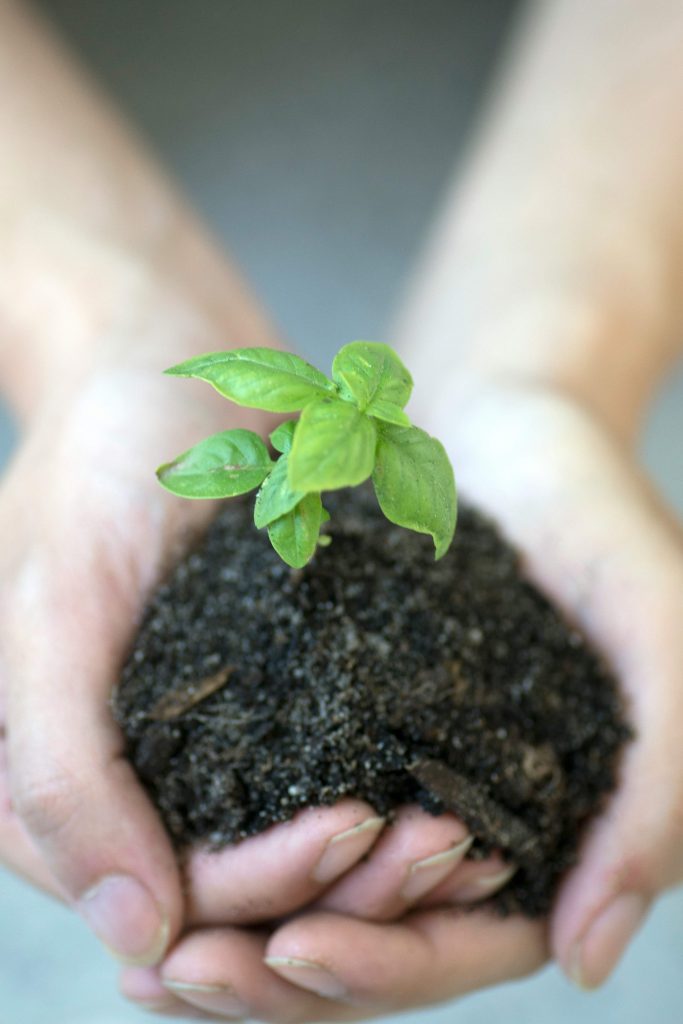
We Are Like Plants

I often think of personal growth like growing a plant.

When we grow a plant, we try to give it everything it needs to thrive. We provide soil, water, sunlight, and care to help it grow strong and healthy. In many ways, this foundation represents the plan you create for your personal growth goals.

The seeds represent your goals.

Without planting seeds, nothing can grow. Maybe you have one meaningful goal or perhaps several areas of your life you would like to improve.

As the plant grows, it requires patience, nurturing, and consistency. Personal growth works much the same way. You need to continue showing up for yourself, tracking progress, and celebrating small wins along the way.

Growth takes time, but beautiful transformation can happen when you continue caring for yourself and your goals.

Signs You May Be Ready for Personal Growth in Midlife

You may be ready to focus on personal growth goals if:

  • you feel stuck or unmotivated
  • you want more purpose or fulfillment
  • you feel disconnected from yourself
  • you want to improve your mindset or confidence
  • you are ready to prioritize yourself again

Many women in midlife experience stress from multiple responsibilities, and understanding common causes of stress in women can be an important step in making personal growth feel more manageable and realistic.

Related Post: Common Causes of Stress In Women and Simple Ways to Manage Them

woman sitting quietly by a window perhaps reflecting on personal growth goals
Photo by René Porter on Unsplash

Where To Start When Setting Personal Growth Goals

Personal growth looks different for everyone, which is why it is important to reflect on the areas of your life you would like to improve.

Ask yourself:

  • Do I want to improve my physical or mental well-being?
  • Do I want to strengthen relationships?
  • Do I want to improve my mindset?
  • Do I want to pursue a new hobby, career, or passion?
  • Do I want to create healthier daily habits?

Once you determine where you want to focus your energy, you can begin creating personal growth goals that align with the life you want to build.

It is also important to reflect on your strengths. Many of us spend too much time focusing on what we are not doing well while overlooking what we already do beautifully.

As you begin setting goals, think about what steps are needed to help you succeed. Breaking larger goals into smaller steps can make the process feel far less overwhelming.

Remember, personal growth doesn’t require completely reinventing your life overnight. Small intentional changes can create powerful results over time.

flat lay of planner, coffee and flowers
Photo by Toa Heftiba on Unsplash

Examples of Personal Growth Goals for Midlife Women

If you are unsure where to begin, here are some meaningful personal growth goals that may inspire you:

  • creating a healthier morning routine
  • setting better boundaries
  • improving self-confidence
  • prioritizing self-care
  • decluttering your home and mind
  • starting a gratitude journal
  • learning a new hobby or skill
  • improving physical health
  • strengthening your spirituality
  • reducing negative self-talk
  • managing stress more effectively
  • spending more time doing things that bring joy
  • improving work-life balance
  • becoming more organized and productive

Choose goals that feel realistic and meaningful for your current season of life.

Related Post: Mindful Morning Routine Ideas for a Calmer, More Intentional Day

Personal Growth Goals and the SMART Goal System

One of the most effective ways to approach personal growth goals is by using the SMART goal-setting system.

SMART goals help create clarity and structure, making it easier to stay focused and motivated.

S – Specific

Be clear and specific about what you want to achieve.

M – Measurable

Determine how you will track your progress.

A – Achievable

Choose goals that are realistic and attainable.

R – Relevant

Make sure your goals align with your values and long-term vision.

T – Time-Bound

Set a timeframe to help keep yourself accountable and motivated. Using the SMART system can help turn your goals into actionable steps you can realistically work toward.

Simple Ways To Stay Motivated

Staying motivated can sometimes feel challenging, especially when life gets busy.

A few things that may help include:

  • tracking your progress
  • celebrating small wins
  • focusing on consistency instead of perfection
  • revisiting your “why”
  • giving yourself grace during setbacks

One of the most helpful ways to support your personal growth goals is by building healthy habits that feel realistic and sustainable.

Related Post: How to Create Healthy Habits for a Lifetime of Wellness

Want help staying consistent with your goals?

Grab my FREE Habit Tracker to help you build healthy habits, stay focused, and track your progress one step at a time.

Reflection Questions for Your Personal Growth Journey

Take a few moments to reflect on these questions:

  • What area of my life feels most neglected right now?
  • What would I like more of in this season of life?
  • What is one small change I could begin making today?
  • What personal growth goal would make the biggest positive impact on my life?

Sometimes simply slowing down and reflecting can bring clarity and inspiration.

Frequently Asked Questions About Personal Growth Goals

What are personal growth goals?

Personal growth goals are goals that help you improve different areas of your life, such as your mindset, habits, relationships, confidence, health, or overall well-being.

Why are personal growth goals important in midlife?

Midlife is often a time of reflection and transition. Personal growth goals can help women rediscover themselves, create healthier habits, and build a more fulfilling life moving forward.

What are examples of personal growth goals?

Examples of personal growth goals include improving self-confidence, setting healthier boundaries, creating better routines, learning new skills, prioritizing self-care, and improving mental wellness.

How do I stay motivated to achieve my goals?

Tracking progress, celebrating small wins, and focusing on consistency rather than perfection can help you stay motivated. Habit trackers and small daily actions can also make goals feel more manageable.

What if I do not know where to start?

Start small. Choose one area of your life you would like to improve and focus on one simple goal at a time. Small changes often lead to meaningful long-term growth.

Final Thoughts on Personal Growth Goals

Personal growth goals are not about becoming perfect. They are about creating a life that feels more peaceful, meaningful, and fulfilling.

No matter your age or stage of life, it is never too late to grow, learn, and pursue positive change.

Start small. Be patient with yourself. Celebrate progress along the way.

You are capable of more growth than you may realize.

I will leave you with this beautiful quote:

“We can’t become what we need to be by remaining what we are.” – Oprah Winfrey

Personal growth starts with small intentional steps each day. If you are ready to stay more consistent with your goals, grab my FREE Habit Tracker here to help you build habits that support a healthier, more fulfilling life.

If you enjoyed this blog post, don’t forget to subscribe to our blog for more inspiring ideas and tips. You can also follow us on PinterestFacebookInstagram, and Flipboard.

Other Posts You May Enjoy

Save this post for later if you are ready to set meaningful personal growth goals and thrive in midlife.

journal for reflecting on personal growth goals