7 Effective Self-Esteem Therapy Techniques to Boost Your Confidence

This post is written by guest blogger, Melanie O’Brien.

The blogging world has so many beautiful people in it just like Melanie. We met in a blogging group and quickly found we had much in common when it came to our blog. She ever so kindly agreed to guest write on a topic near and dear to my heart “self-esteem”. She will share therapy techniques to help boost your self-confidence. I think you will find it very helpful!

Get to know Melanie O’Brien

Melanie O’Brien is a dedicated and qualified counsellor passionate about helping others navigate life’s challenges.  She is the visionary founder of the widely acclaimed website www.sunnydaysblog.org which serves as a haven for self-motivated individuals seeking inspiration and guidance in their journeys.

Melanie is a writer for her blog, newsletters, ebooks, which has earned her invitations to guest post on numerous websites.

Outside of her professional pursuits, Melanie cherishes her days off as an opportunity to connect with nature.  You‘ll often find her camping, walking, and reading whilst enjoying a good cup of coffee.

Melanie O’Brien’s commitment to the well-being of others, her dedication to personal growth, and her love for the beauty of life’s everyday moments make her a beacon of positivity, optimism, and wisdom in and ever-changing world.

My posts may contain affiliate links. If you purchase through one of these links, you will not pay a penny more, but I will receive a small commission. Please read my disclaimer for more information.

Let’s dive into Melanie’s post on 7 Effective Self-Esteem Therapy Techniques To Boost Your Confidence!

Feelings of low self-esteem can often leave you questioning your worth and potential. Numerous studies indicate that your lifestyle, environment, and experiences significantly shape your perception of yourself.

This blog post will guide you through 7 proven self-esteem therapy techniques to help you find and embrace your inner strength. Get ready for a confidence-boosting journey unlike any other!

Understanding Self-Esteem

Self-esteem, which is your overall opinion of yourself and your worthiness, plays a pivotal role in your mental well-being and personal growth.

Definition and Importance

Self-esteem is a term used to describe how you view and respect yourself. It is essential because it heavily influences people’s choices and decisions. In other words, self-esteem is a motivator, guiding people toward supportive connections and situations that promote their wellbeing.

Conversely, low self-esteem can limit your scope of action by making you feel unworthy or incapable. Therefore, maintaining healthy self-esteem holds great significance as it paves the way for happiness, success, and fulfilment.

self-esteem therapy techniques

Symptoms and Effects of Low Self-Esteem

Low self-esteem often manifests in feelings of worthlessness, chronic self-doubt, and a harsh inner critic. It can lead to avoidance of social situations due to fear of rejection or ridicule.

Mental health issues like depression and anxiety may also result from low self-esteem. When physical appearance is tied too closely to self-worth, this could potentially fuel eating disorders or obsessive exercise habits.

A person may find it hard to express their needs or assert boundaries for fear that they aren’t worthy of respect. This prolonged state of feeling undervalued might hinder achieving personal goals, leading to underperformance academically or professionally, which further feeds into the cycle of negative thoughts about oneself.

These symptoms echo through various aspects of life, creating ripple effects including career stagnation, relationship problems and even potential substance abuse as a means for coping.

Related Post: Depression Or Laziness | Combating the Stigma – Written by Melanie O’Brien

Causes of Low Self-Esteem

Low self-esteem is a complex issue that can be influenced by a variety of factors, including both internal and external elements. These factors contribute to low self-esteem:

1.      Early Childhood Experiences: Negative childhood experiences like neglect, abuse, or criticism from caregivers can lead to low self-esteem as they still feel unworthy.

2.      Bullying and Peer Pressure: Experiencing bullying and peer pressure in school or social settings can damage self-esteem by making people feel unaccepted and undervalued.

3.      Unhealthy Relationships: Toxic relationships with friends, family, or partners can erode self-esteem due to manipulation, emotional abuse, and constant criticism.

two people arguing/self-esteem therapy techiniques

4.      Traumatic Events: Traumatic experiences like abuse or natural disasters can shatter self-esteem by leaving emotional scars and a sense of powerlessness.

5.      Perfectionism: Low self-esteem can result from striving for perfection, holding oneself to unattainable ideals, and having persistent self-doubt.

6.      Social Comparison: Constantly comparing oneself to curated images on social media can create feelings of inadequacy and lower self-esteem.

7.      Cultural and Societal Influences: Societal pressures, discrimination, and beauty standards can contribute to low self-esteem by making people feel they don’t measure up.

8.      Lack of Positive Reinforcement: Lack of appreciation and encouragement for one’s work can result in low self-esteem, as people struggle to recognise their worth.

9.      Mental Health Conditions: Conditions like depression and anxiety can cause and result from low self-esteem, often involving negative thought patterns and hopelessness.

10.  Personality Traits: Certain personality traits, such as self-criticism or introversion, can make people more prone to low self-esteem.

Therapeutic Approaches to Boost Self-Esteem

Some therapeutic approaches to boost self-esteem include Cognitive-Behavioural Therapy, Humanistic/Client-Centred Counselling, Rational Emotive Therapy, Mindfulness-Based Therapy, Narrative Therapy, Art Therapy, and Group Therapy.

Cognitive-Behavioural Therapy

Cognitive-Behavioural Therapy (CBT) is a powerful tool to boost your confidence. Often used in self-esteem therapy, CBT helps you identify negative thought patterns causing low self-worth and learn techniques to challenge them.

The approach encourages positive changes by correcting distorted thinking and changing behaviours. This therapy method provides practical strategies such as “cognitive restructuring,” replacing unhelpful thinking with more constructive thoughts.

Through this process, you can effectively develop awareness, step outside your comfort zone, strengthen confidence, foster healthy relationships, and boost resilience. Hence, boosting self-confidence becomes less challenging with consistent practice of Cognitive-Behavioural Therapy exercises.

Humanistic/Client-Centred Counselling

Humanistic, or Client-Centred Counselling, is powerful in boosting your self-esteem. This counselling style operates on the belief that each person has an innate ability to reach their full potential and live fulfilling lives.

Incorporating active listening and unconditional positive regard, this therapeutic method emphasises developing self-awareness.

Rather than acting as authoritative figures possessing all answers, therapists practising Humanistic Counselling act as catalysts through encouragement and guidance. They promote self-acceptance by assisting people in better understanding their emotions.

This explorative process often leads to increased confidence, enhanced self-worth, nurturing of self-love and overall empowerment. The fundamental goal lies in aiding you towards personal growth while strengthening your belief in yourself.

Rational Emotive Therapy

Rational emotive therapy helps you face and overcome irrational beliefs that lower self-esteem. Therapists employing this approach work with you to identify these harmful thoughts, challenge their validity, and replace them with healthier alternatives.

This type of therapy encourages you to confront self-defeating attitudes head-on rather than avoid them, allowing for a more positive sense of self-worth. It’s a direct method that seeks to change your behavioural patterns by focusing on the present moment and providing practical solutions for improving your outlook.

Mindfulness-Based Therapy

Mindfulness-based therapy fosters awareness and acceptance of your thoughts and feelings, empowering you to respond to life’s challenges with resilience. It involves meditation, controlled breathing, or body scan exercises that nurture self-love while enhancing self-worth.

women meditating/self-esteem therapy techniques

You can learn to identify negative thought patterns that lower your self-esteem through mindfulness-based therapy. You cultivate self-respect by focusing on the present moment without judgment.

This approach boosts confidence by helping you let go of past regrets and future anxieties. Unlike other therapies that delve into the root causes of low self-esteem, mindfulness-based therapy focuses more on managing current emotions for a balanced mind state.

Related Post: What is Mindfulness? How to Get Started & Enhance Your Midlife Well-Being

Self-Esteem Therapy Techniques: Narrative Therapy

Narrative therapy is a therapeutic approach that helps people reshape their narratives to promote self-esteem and confidence. Instead of focusing on problems and deficits, people who receive narrative therapy are encouraged to examine their talents, values, and past accomplishments.

By identifying preferred identities and stories, clients can develop a more positive self-image and increase their belief in their abilities. Through this process, people learn to challenge negative self-talk and replace it with empowering narratives that foster resilience and self-acceptance.

Art Therapy

Express yourself and boost your self-esteem through art therapy. Engaging in creative activities like painting, drawing, or sculpting can help you explore and express your emotions nonverbally.

By focusing on the process of creating rather than the result, art therapy allows you to tap into your inner thoughts and feelings. Through this therapeutic approach, you can gain a deeper understanding of yourself and build confidence by discovering new ways to communicate and connect with others.

Art therapy also provides a safe space for self-exploration without judgment or criticism. It encourages you to take risks, step outside your comfort zone, and embrace imperfections as part of the artistic process.

This helps foster self-acceptance and resilience while lowering anxiety levels. Engaging in art therapy allows you to cultivate self-respect, enhancing your overall sense of self-worth and boosting your confidence.

Group Therapy

Group therapy is a practical approach to boosting self-esteem and building confidence. By participating in a group setting, you can connect with others who may be facing similar challenges, providing you with a sense of support and validation.

Working alongside others can help you develop awareness of your strengths and weaknesses and gain insight into different perspectives and coping strategies. Through sharing experiences, receiving feedback, and practising new skills within the group’s safety, you can enhance your self-worth, improve your self-image, and cultivate self-acceptance. Group therapy offers a unique environment for personal growth and empowerment.

Effective Techniques for Boosting Self-Esteem

Identify and understand the source of your low self-esteem, process past negative experiences, recognise and challenge critical voices, address “all or nothing” thinking patterns, practice self-compassion and focus on your strengths while setting realistic goals.

Identifying and Understanding the Source of Low Self-Esteem

Understanding the source of low self-esteem is crucial in boosting your confidence. Take the time to reflect on your experiences and identify any negative factors that may have contributed to your low self-worth.

This could include past failures, criticism from others, or comparing yourself to unrealistic standards. By recognizing these sources, you can address them head-on and develop strategies for building a healthier self-esteem.

Remember, understanding where it comes from is the first step towards overcoming it.

Processing Past Negative Experiences

Processing past negative experiences is important in boosting your self-esteem and confidence. By acknowledging and understanding the impact of these experiences, you can begin to release their hold on you.

Reflecting on how these experiences have shaped your beliefs about yourself allows you to challenge any opposing thoughts or beliefs holding you back. Taking the time to process and heal from negative experiences will help you move forward with a stronger sense of self-worth and belief in your abilities.

Recognising and Challenging Critical Voices

Recognising and challenging critical voices is an important step in boosting your self-esteem. You often hear these critical voices from within yourself, constantly telling you that you are not good enough or will never succeed.

By becoming aware of these negative thoughts and beliefs, you can actively challenge them. Start by questioning the validity of these critical voices – ask yourself if they are based on facts or simply unfounded judgements.

Then, counteract them with positive affirmations and self-compassion. Remind yourself of your strengths, accomplishments, and the progress you have made. Treat yourself with kindness and understanding, just as you would a good friend who needs support.

With practice and persistence, you can quiet those critical voices and cultivate a more nurturing inner dialogue that boosts your confidence and self-worth.

In addition to recognising and challenging internal critical voices, it’s also important to address external influences that may contribute to negative self-perception. Building your confidence can be significantly impacted by surrounding yourself with positive people who uplift rather than tear you down.

group of happy women

Related Post: Positive Affirmations For Anxiety And Depression: How Can They Help?

Addressing “All or Nothing” Thinking Patterns

Addressing “all or nothing” thinking patterns is important to boosting self-esteem. This type of thinking often leads to extreme judgements and black-and-white perspectives, which can harm our self-worth.

When you challenge these patterns, you can develop a more balanced and realistic view of yourself and your abilities. One effective technique is to identify the thoughts contributing to this pattern and examine them for evidence.

Are they based on facts or assumptions? By questioning these thoughts and considering alternative viewpoints, you can create a more flexible mindset that allows for growth and self-acceptance.

Practising Self-Compassion

Practising self-compassion is a powerful technique for boosting your self-esteem and increasing your confidence. It involves treating yourself with kindness, understanding, and forgiveness, just as you would with a close friend or loved one.

By acknowledging and accepting your flaws and mistakes without judgement or criticism, you can cultivate a more positive and nurturing relationship with yourself. This helps to counter negative self-talk and feelings of unworthiness and promotes resilience in the face of setbacks and challenges.

When you practice self-compassion, you create space for growth, healing, and self-acceptance on your journey towards increased confidence and self-worth.

Related Post: Self-Compassion Examples Unmasked: Do They Encourage Complacency or Drive Success?

Focusing On Strengths and Setting Realistic Goals

Focusing on your strengths and setting realistic goals are essential for boosting self-esteem. By recognising and acknowledging your unique abilities and qualities, you can develop a sense of confidence and self-worth.

Instead of dwelling on your weaknesses or comparing yourself to others, shift your focus towards what you do well. This will help you build a positive self-image and foster a greater belief in yourself.

In addition to focusing on strengths, setting realistic goals for yourself is important. Setting achievable objectives allows you to experience success and progress, which can significantly boost your self-confidence.

When setting goals, consider your capabilities, resources, and limitations. Break down more ambitious ambitions into smaller, doable stages that you can pursue. By accomplishing these smaller milestones, you will build momentum and reinforce feelings of competence and achievement.

Remember that everyone has their unique strengths and abilities, so embrace yours fully by focusing on them rather than fixating on perceived shortcomings or comparing yourself to others who may have different skills or experiences.

Additionally, setting attainable goals helps create a sense of clarity and direction in your life while motivating to strive for growth without feeling overwhelmed or discouraged by unrealistic expectations.

woman writing

Related Post: Personal Growth Goals:  Tips on Why They Are Beneficial to Establish

Challenging Negative Thoughts and Replacing Them with Positive Ones

Challenging negative thoughts and replacing them with positive ones is a powerful technique for boosting self-esteem. It involves recognising when you have negative thoughts about yourself and actively challenging them.

Instead of believing the negative self-talk, you replace it with positive affirmations and beliefs. For example, if you think “I’m not good enough,” challenge that thought by reminding yourself of your strengths and accomplishments.

Replace it with a positive affirmation like “I am capable and deserving of success.” By practising this technique regularly, you can gradually shift your mindset towards more positivity and self-belief.

Conclusion

In conclusion, seeking therapy for self-esteem cannot be overstated, as it provides a safe and supportive environment to address low self-esteem issues. Therapy aids people in identifying the underlying causes of their self-esteem issues, overcoming destructive thought patterns, and developing self-compassion, attainable objectives, and a strengths-based perspective.

Therapy encourages a greater awareness of oneself, assists people in confronting unpleasant memories, and challenges critical self-talk, all supporting personal progress. It promotes the growth of a better self-image and more confidence.

While empowerment through therapy is not immediate, approaches like cognitive-behavioural therapy or mindfulness-based therapy provide essential tools to strengthen confidence over time.

The first step towards boosting self-esteem involves recognising one’s worth and embracing therapy for growth and empowerment. Professional support can guide people through effective techniques tailored to their needs, enabling them to make positive changes and cultivate a strong sense of self-worth on their journey to increased confidence and self-belief.

Key Takeaways

  • Cognitive-Behavioural Therapy (CBT) is a powerful tool that helps identify and challenge negative thought patterns, boosting self-confidence.
  • Humanistic/Client-Centred Counselling focuses on developing self-awareness and fostering self-acceptance to enhance self-esteem and belief in oneself.
  • Rational Emotive Therapy addresses irrational beliefs through direct confrontation, leading to a more positive sense of self-worth.
  • Mindfulness-Based Therapy cultivates awareness and acceptance of thoughts and feelings, enabling people to face difficulties with resiliency.

Other Posts You May Enjoy:

.Self-Care for Mental Health: 25 Creative Ideas to Nourish Your Mind

.10 Budget-Friendly Mindful Wellness Tips to Help Improve Your Health Today

.Top 10 Benefits of Journaling for Mental Health: How Can It Help You?

winter self-care challenge

Welcome The Chill with A Fun 30-Day Winter Self-Care Challenge

As the days get shorter and the air gets cooler, it’s time to cozy up, embrace the chill, and prioritize winter self-care. That’s right; it’s the perfect season to kick off a Winter Self-Care Challenge!

In this blog post, I’ll guide you through the ins and outs of starting a 30-day journey of self-discovery and self-love while beating those pesky winter blues.

woman drinking coffee

So, grab your warmest blanket and a cup of your favorite hot beverage because we’re about to dive into a world of relaxation, rejuvenation, and, of course, some serious winter self-care.

Related Post: Embrace the Chill: 20 Winter Self-Care Practices to Nurture Your Soul

My posts may contain affiliate links. If you purchase through one of these links, you will not pay a penny more, but I will receive a small commission. Please read my disclaimer for more information.

Where Do You Begin With a Winter Self-Care Challenge?
Before we jump into the specifics of our 30-day Winter Self-Care Challenge, let’s break down the basics of how to get started on any self-care challenge successfully:

.Set Clear Goals

First and foremost, determine what you want to achieve from your winter self-care challenge. Are you looking to reduce stress, boost your mood, or simply pamper yourself a bit more during the chilly season?

.Create a Schedule for your Winter Self-Care Challenge

Plan your self-care activities throughout the month. Allocate time in your daily routine to ensure you don’t forget to prioritize yourself.

.Make a List

Prepare a list of self-care activities that resonate with you. These can include anything from meditation and yoga to long baths and reading your favorite book.

.Stay Accountable

Share your challenge with a friend or family member, or even better, invite them to join you. Having someone to hold you accountable can make a huge difference.

.Adapt and Reflect

Remember, self-care is personal. Be flexible with your challenge and make adjustments if needed. At the end of the challenge, reflect on your experience and how it made you feel.

candles/ winter-self-care challenge

Why is Self-Care Important in Winter?

Winter is a beautiful season, but it can also be challenging, especially for your mental and emotional well-being. The cold, dark days can sometimes bring about what we affectionately call the “winter blues” or Seasonal Affective Disorder (SAD).

Here’s Why Self-Care is Essential During Winter:

.Combat The Winter Blues: Imagine taking on a winter self-care challenge as your armor against those pesky winter blues. When you indulge in activities that bring you joy, it’s like adding extra sunshine to your days, boosting your mood, and filling you with happiness.

Related Post: Overcome The Winter Blues With These Easy Self-Care Tips

.Boost Immunity: Winter often brings colds and flu. Taking care of yourself can help strengthen your immune system, keeping those nasty bugs at bay.

.Maintain Energy Levels: During the colder months, the urge to hibernate under cozy blankets can be almost irresistible. But engaging in activities like exercise, which are a part of this self-care challenge, not only fights off the winter sluggishness but also keeps your energy levels up.

So, instead of succumbing to hibernation mode, embrace the winter self-care challenge and stay active and vibrant all season long!

.Nurture Mental Health: Winter self-care can be a lifeline for your mental health. It’s a time to slow down, reflect, and prioritize your emotional well-being.

woman looking out window

How Do You Beat Winter Blues?

Now, let’s tackle the age-old question of how to beat those winter blues. Here are some tried-and-true strategies:

.Get Active

Exercise releases endorphins, which are natural mood lifters. Try indoor workouts or embrace the winter wonderland with activities like ice skating or snowshoeing.

.Embrace Cozy Moments

Wrap yourself in a cozy blanket, grab a book, set the mood with flickering candles, and indulge in a soothing cup of tea. These small but enjoyable acts can be part of your winter self-care challenge, and they create those wonderfully comforting moments we all crave during this chilly season.

.Connect with Loved Ones

Don’t isolate yourself during the winter months. Spend time with friends and family, even if it’s through video calls or outdoor meetups.

.Practice Mindfulness

Meditation and mindfulness can help you stay grounded and reduce stress. Consider incorporating these practices into your daily routine.

Related Post: What is Mindfulness? How to Get Started & Enhance Your Midlife Well-Being

.Seek Professional Help

If the winter blues become overwhelming, don’t hesitate to reach out to a mental health professional for support.

30-Day Winter Self-Care Challenge

Now that you’re all geared up to embrace the winter season with open arms and prioritize self-care, let’s get into the exciting part: the 30-day self-care challenge ideas that will keep you feeling your best all winter long.

Here are 30 days of self-care activities to help you beat the winter blues and nurture your body, mind, and soul. Let’s get started with the challenge!

30 Winter Self-Care Challenge Ideas

Day 1: Create a cozy reading nook with blankets and pillows.

Day 2: Take a long, relaxing bath with your favorite winter-scented bath salts or oils.

Day 3: Try a new winter sport like ice skating or snowshoeing.

Day 4: Treat yourself to a hot cocoa or chai tea and savor it slowly.

hot cocoa/winter self-care challenge

Day 5: Build a snowman or have a snowball fight.

Day 6: Practice deep breathing exercises for relaxation.

Day 7: Start a gratitude journal and jot down things you’re thankful for each day.

Day 8: Bake cookies or a winter-inspired treat and share them with loved ones.

Day 9: Watch a classic winter movie with a warm blanket.

Day 10: Go for a brisk winter walk and enjoy the crisp air.

Day 11: Try a new winter recipe and have a homemade winter-themed dinner.

Day 12: Take a day to declutter and organize your living and/or workspace.

Day 13: Visit a local winter market or fair.

Day 14: Host a virtual game night with friends or family.

Day 15: Practice a winter-themed yoga or meditation session.

Day 16: Write a heartfelt letter to a friend or family member.

Day 17: Create your own winter-themed artwork or craft project.

Day 18: Have a spa day at home with DIY facials and skincare.

Day 19: Volunteer or donate to a local charity to spread winter warmth.

Day 20: Try a new winter cocktail or mocktail recipe.

winter cocktail

Day 21: Build a blanket fort and spend the evening inside it.

Day 22: Read a book by the fireplace or with a candlelit ambiance.

Day 23: Plan a winter picnic with your favorite comfort foods.

Day 24: Host a virtual holiday-themed party with friends.

Day 25: Learn a new winter skill like knitting or crocheting.

Day 26: Practice mindful snowflake observation and meditation.

Day 27: Make a winter-inspired playlist and have a music night.

Day 28: Pamper yourself with a DIY spa day, complete with a face mask and relaxation.

Day 29: Organize a virtual movie night with loved ones.

Day 30: Reflect on your month of self-care and set new goals for the upcoming season.

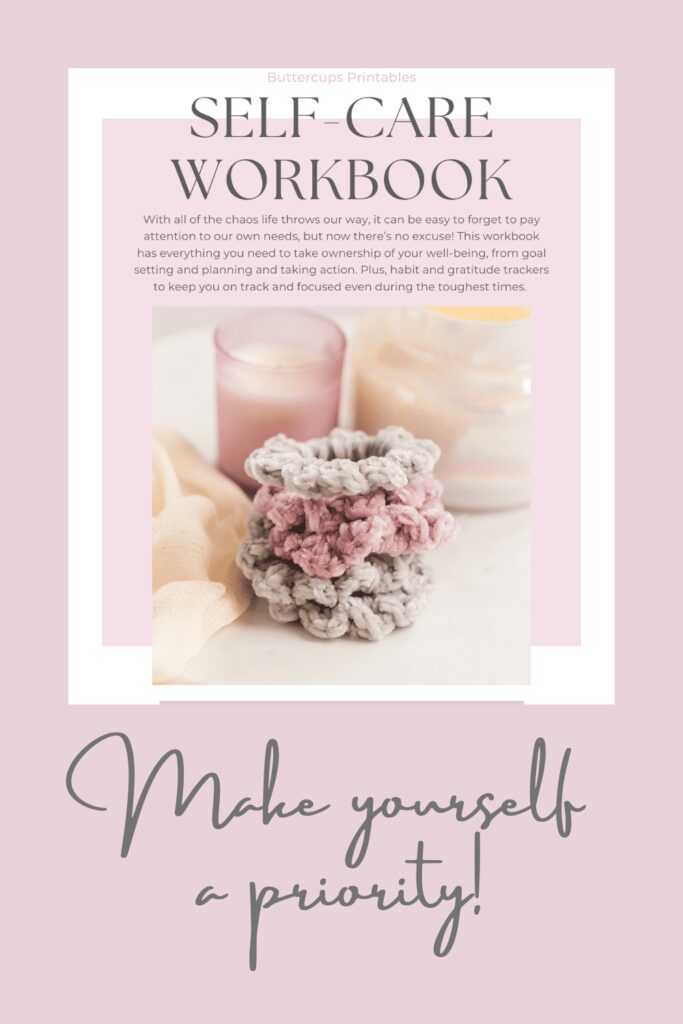
This trusty self-care workbook can be your compass, guiding you through your self-care journey. It’s like having a friendly mentor by your side, helping you assess your progress, celebrate your wins, and pave the way for exciting new self-care goals.

self-care workbook printable

Final Thoughts on This Winter Self-Care Challenge

Embracing the winter season with open arms and a commitment to your well-being can make all the difference in your mental, emotional, and physical health.

I’ve provided you with a variety of winter self-care challenge examples to choose from, ensuring that there’s something for everyone. From simple daily rituals to more profound acts of self-love, each challenge has been designed to help you beat the winter blues and thrive during this season.

But the journey doesn’t end here. Remember, self-care is an ongoing practice, not a one-time event. I encourage you to continue these winter self-care habits beyond this challenge, integrating them into your daily life. Your well-being is worth it.

So, what’s your next step in this winter self-care journey? Don’t let the cold and darkness dampen your spirit. Take the lessons and experiences from this 30-day self-care challenge and carry them with you throughout the winter season and beyond.

Share in the comments what winter self-care activities listed in the challenge resonate with you most.

If you enjoyed this blog post, don’t forget to subscribe to our blog for more inspiring ideas and tips. You can also follow me on PinterestFacebookInstagram and Flipboard.

Other Posts You May Enjoy:

winter self-care challenge
Holiday Self-Care

Holiday Self-Care Tips for a Joyful, Stress-Free Season

The holidays are meant to be joyful, but it’s easy to feel overwhelmed between shopping, planning, and endless to-do lists. Practicing holiday self-care helps you slow down, stay centered, and truly enjoy the season. This guide offers simple holiday wellness tips, a printable checklist, and a free holiday planner to make this your calmest, happiest season yet.

Cup of coffee surrounded by Christmas decorations representing holiday self-care

In this post, you’ll discover:

  • Why holiday self-care is essential for your well-being
  • 8 simple ways to care for yourself during the holidays
  • A free printable holiday self-care checklist and planner to help you stay organized

Are you ready to prioritize yourself this holiday season? Let’s get started!

My posts may contain affiliate links. If you purchase through one of these links, you will not pay a penny more, but I will receive a small commission. Please read my disclaimer for more information.

Why Holiday Self-Care Matters for Your Health and Happiness

The holiday season can be overwhelming for many reasons, making self-care all the more critical. Here are some reasons why self-care should be a top priority during this time:

  • Stress Management: The pressure of shopping for gifts, holiday parties, and family gatherings can lead to increased stress. Practicing self-care can help you better manage stress.
  • Maintaining Health: The colder weather and busy schedule can weaken your immune system. Prioritizing holiday self-care ensures you stay healthy and energetic throughout the season
  • Emotional Well-being and Holiday Self-Care: Nurturing Your Spirit During the Season: The holidays can stir up a mix of emotions, from joy to sadness. Self-care helps you process these feelings and maintain emotional balance.
  • Preventing Burnout: Overcommitting and overextending yourself during the holiday season can lead to burnout. Self-care helps prevent exhaustion.

8 Easy Holiday Self-Care Tips for a Joyful Season

Now that we understand why holiday self-care is essential, let’s talk about practical ways to incorporate it into your festive season:

1. Set Boundaries

Learn to say no when you need to. It’s okay to say “no” to invitations or requests that will overwhelm you.

2. Prioritize Sleep

Aim for a consistent sleep schedule, even amidst celebrations. A well-rested body and mind are better able to handle stress.

3. Holiday Self-Care Through Healthy Eating

Enjoy holiday treats, but also focus on nutritious meals. A balanced diet fuels your energy and immune system.

4. Stay Active

Make time for physical activity, whether it’s a brisk walk in the winter air or a fun dance party at home.

5. Mindfulness and Meditation

Take moments for mindfulness to ground yourself and manage stress. Meditation can help you find calm amid the chaos.

holiday self-care

6. Gratitude Practice for Self-Care: Cultivating Joy During the Holiday Season

Reflect on the things you’re grateful for. This can boost your mood and perspective during the holidays.

7. Connect with Loved Ones

Nurture meaningful relationships by spending quality time with family and friends, even if it’s virtual.

Related Post: 20 Simple Strategies for Building Strong Connections: A Guide on How to Nurture Relationships

8. Time for Yourself

Schedule “me-time” to recharge. It could be reading a book, taking a bath, or indulging in a hobby you love.

Related Post: Self-Care Bath Ideas To Create The Perfect At-Home Spa Experience

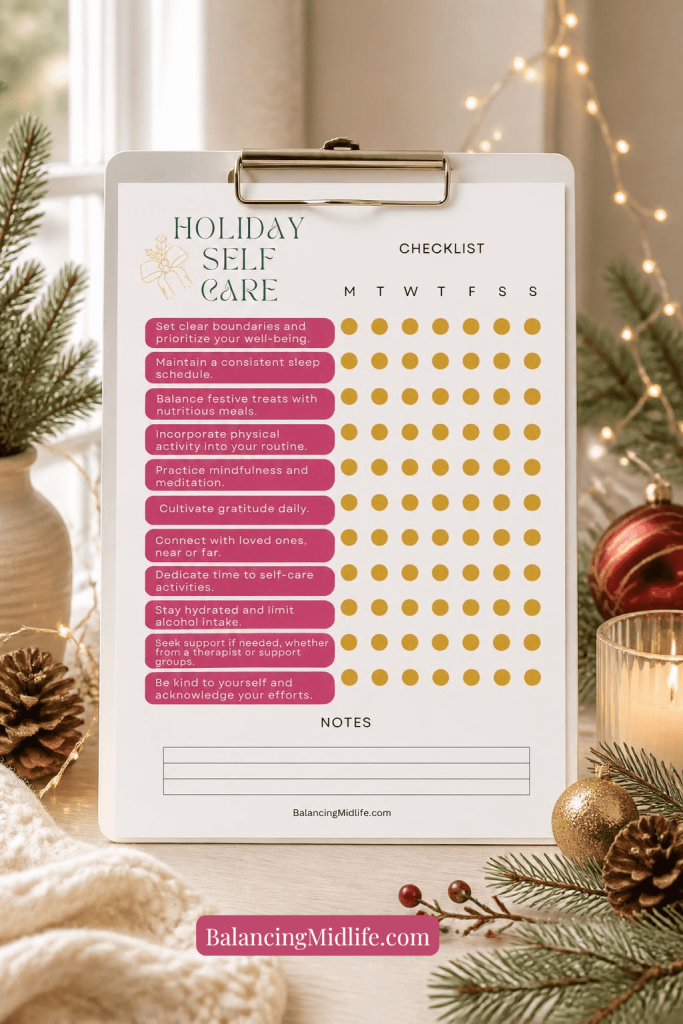
Printable Holiday Self-Care Checklist

Here’s a handy checklist to guide your holiday self-care journey:

  • Set clear boundaries and prioritize your well-being.
  • Maintain a consistent sleep schedule.
  • Balance festive treats with nutritious meals.
  • Incorporate physical activity into your routine.
  • Practice mindfulness and meditation.
  • Cultivate gratitude daily.
  • Connect with loved ones, near or far.
  • Dedicate time to self-care activities.
  • Stay hydrated and limit alcohol intake.
  • Seek support if needed, whether from a therapist or support groups.
  • Be kind to yourself and acknowledge your efforts.

Remember, holiday self-care isn’t selfish; it’s an act of self-defense that allows you to give your best to others and savor the joy of the season.

By incorporating these practices and checking off items on your checklist, you’ll create a joyful and harmonious holiday experience for yourself and those around you. Embrace the magic of the season, and make self-care your greatest gift this year!

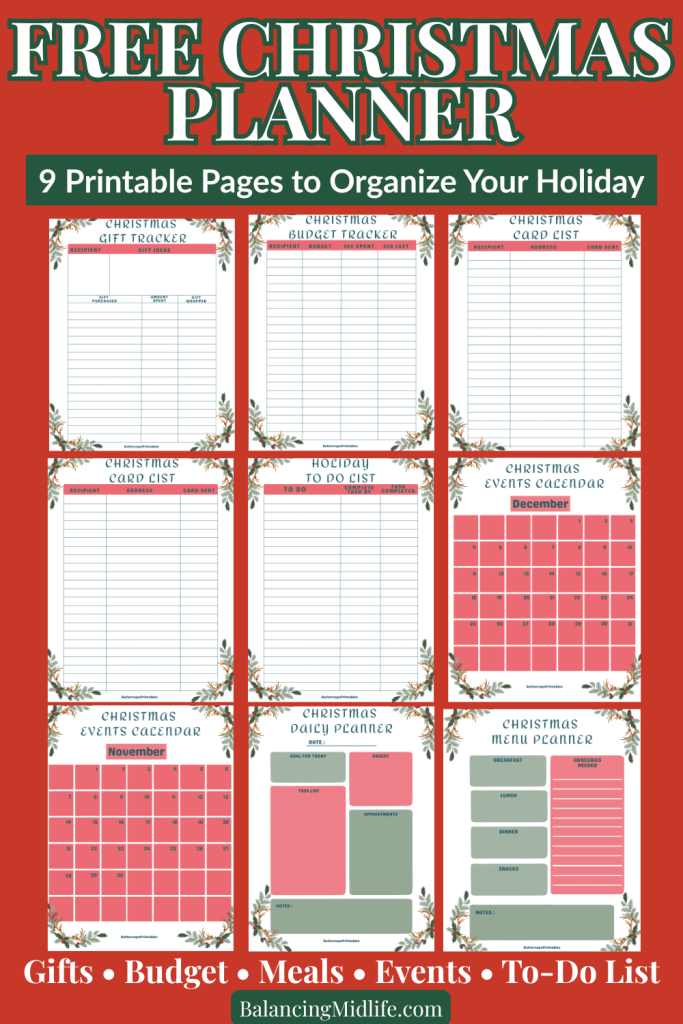
Bonus: Free Printable Holiday Planner for a Stress-Free Season

To help you stay organized and minimize holiday stress, grab your free printable holiday planner. Here are just a few of the pages included in the planner:

  • Calendar Pages: Keep track of important dates, including parties, gatherings, and deadlines.
  • To-Do Lists: Stay on top of holiday tasks, from gift shopping to meal planning.
  • Gift Lists: Create a thoughtful gift list for your loved ones.
  • Budget Tracker: Manage your holiday spending wisely.
  • Recipe Pages: Organize your favorite holiday recipes and meal plans.
  • Holiday Card List: Keep track of holiday card recipients.

A holiday planner can be a game-changer during this busy season. It helps you stay organized, reduces the last-minute rush, and frees up time for self-care.

Plate of Christmas cookies representing mindful indulgence and self-care during the holidays

Download and print your free holiday planner here to ensure a smooth and stress-free holiday season.

Final Thoughts: Make Holiday Self-Care Your Best Gift This Year

The holidays can be busy and overwhelming, but holiday self-care helps you slow down, breathe, and find joy in the little moments. Whether it’s setting boundaries, practicing gratitude, or simply enjoying a cozy cup of coffee, these small acts of care make a big difference.

By following your holiday self-care checklist and using your free printable planner, you’ll stay organized, reduce stress, and truly enjoy a peaceful, joy-filled season.

Remember, taking care of yourself isn’t selfish; it’s how you create the energy and presence to share more love and happiness with others.

Start today: download your free Checklist and Holiday Planner, and give yourself the gift of calm, balance, and joy this season.

Here’s to a stress-free, joyful holiday season filled with self-care and gratitude!

Related Post: FREE Christmas Planner: 9 Printable Pages To Help Keep Your Holidays Simple

And don’t forget to visit our Etsy shop for printable holiday cards and gift tags to simplify your holiday preparations.

Here’s to a joyful and harmonious holiday season filled with self-care and love!

Be well…

If you enjoyed this blog post, don’t forget to subscribe to our blog for more inspiring ideas and tips. You can also follow us on PinterestFacebookInstagram and Flipboard.

Other Posts You May Enjoy:

Short on time? Pin this post for later!

Holiday Self-Care
women enjoying a cozy moment for mental health self-care

Self-Care Ideas for Mental Health: 25 Simple Ways to Feel Calmer

When life feels full, especially in midlife, finding simple self-care ideas for mental health is not about doing more. It’s about slowing down, calming your mind, and finding small ways to feel like yourself again.

If you’ve been feeling stressed, mentally overloaded, or a little disconnected lately, this is for you. So many women are carrying a heavy mental load while trying to show up for everyone else.

This is your reminder that your mental health matters too.

Here are 25 self-care ideas for mental health that are simple, realistic, and supportive for everyday life. Nothing complicated. Nothing you need to earn. Just gentle ways to feel more like yourself again.

My posts may contain affiliate links. If you purchase through one of these links, you will not pay a penny more, but I will receive a small commission. Please read my disclaimer for more information.

Quick Self-Care Ideas for Overwhelmed Days (5 to 10 minutes)

These are for the moments when you feel overstimulated, exhausted, or emotionally maxed out.

1. Step outside for fresh air without your phone

Even two minutes can help reset your nervous system.

2. Sit in silence with your morning coffee or tea

No scrolling. No multitasking. Just you and the moment.

3. Do a 60-second breathing reset

Inhale slowly, exhale longer than you inhale. Repeat a few times.

4. Put your hand on your chest and check in with yourself

Ask, “What do I need right now?”

5. Listen to one calming song all the way through

No distractions, just music.

Nervous System Soothing Self-Care Ideas

These practices help when stress feels stuck in your body.

6. Take a warm shower and focus on the sensation of water

Let it be a reset instead of just another task.

7. Try a guided meditation for anxiety or sleep

Even 5 to 10 minutes can make a difference.

8. Stretch your body gently before bed

Focus on releasing tension, not performance.

9. Place a cool washcloth on your face and breathe slowly

A simple way to signal safety to your body.

10. Do a grounding exercise using your senses

Name 5 things you see, 4 you feel, 3 you hear, 2 you smell, 1 you taste.

woman resting as self-care for mental health
Photo by serjan midili on Unsplash

Creative Self-Care Ideas for Mental Health and Emotional Release

Creativity is not about being artistic. It is about letting your thoughts move instead of staying stuck.

11. Journal what is on your mind without filtering it

Journaling can help you process emotions, reduce stress, and slow down racing thoughts. Sometimes simply getting your thoughts out of your head and onto paper can feel like a release.

If journaling feels helpful to you, you may also enjoy reading about the benefits of journaling for mental health.

12. Write a “mental unload” list

Everything you are carrying, even the small stuff.

13. Doodle or color without trying to make it perfect

Let it be messy and freeing.

14. Write yourself a kind note like you would a friend

This can feel surprisingly grounding.

15. Make a “what I need less of / more of” list

A simple way to reconnect with yourself.

Nature-Based Self-Care Ideas for Mental Clarity

Nature is one of the fastest ways to reset mental overwhelm.

16. Take a slow walk without an agenda

No fitness goals. Just movement and air.

17. Sit outside and notice small details around you

Leaves, sounds, light, and movement.

18. Take a mindful photo walk

Focus on what catches your eye instead of your to-do list.

19. Watch birds or clouds for a few minutes

Let your attention soften.

20. Visit a local park and just sit for 10 minutes

No productivity allowed.

nature walk as a calm self-care activity for mental health
Photo by Ruslan Sikunov on Unsplash

Gentle Lifestyle Self-Care for Everyday Support

These are small habits that support your mental health over time.

21. Create a simple morning moment just for you

Even five quiet minutes before the day starts.

If you want inspiration for creating a slower, calmer start to your day, you may enjoy my post on creating a mindful morning routine.

Woman enjoying a quiet morning self-care routine for mental health
Photo by Svitlana on Unsplash

22. Text someone you trust and check in

Connection matters more than we often realize.

23. Light a candle and intentionally slow down one task

Like folding laundry or making dinner.

24. Choose one thing to release from your mental load today

Not everything. Just one thing.

25. Use a simple habit tracker to notice your progress

If you want support building consistency, you can use my FREE habit tracker to make it easier to stay on track without pressure. You can grab it here.

You may also enjoy my post on Healthy Habits for Women Over 40: Small Changes That Make a Big Difference

A gentle reminder

Self-care for mental health does not need to be complicated or perfect. It just needs to meet you where you are.

Some days it will look like deep rest. Other days it will look like drinking water and stepping outside for a few minutes. Both count.

If you are in a season of stress or emotional overload, you may also like my 3-Day Self-Care Reset to help you slow down and feel more like yourself again.

FAQ: Self-Care Ideas for Mental Health

What are the best self-care ideas for mental health?

The best self-care ideas for mental health are simple practices that help calm your mind and reduce stress. This can include deep breathing, journaling, taking a short walk, spending time in nature, or stepping away from screens for a mental reset.

How do I practice self-care when I feel overwhelmed?

Start small. When you feel overwhelmed, focus on calming your nervous system instead of trying to fix everything. Even a few minutes of quiet breathing, stepping outside, or drinking a glass of water slowly can help bring your body back to a calmer state.

Why is self-care so hard to keep up with?

Self-care often feels hard because many women are already carrying a full mental load. When you are constantly taking care of others or managing responsibilities, your own needs tend to get pushed aside. That’s why small, realistic habits work better than big routines.

What type of self-care is most helpful for mental health?

The most helpful self-care supports your nervous system. This includes practices that help you feel safe, grounded, and present, such as breathing exercises, gentle movement, time in nature, and quiet moments without distractions.

How often should I practice self-care for mental health?

Self-care does not need to be scheduled perfectly. Small moments throughout your day are often more effective than occasional long routines. Even a few minutes daily can make a difference in your overall mental well-being.

woman reading outdoors as a self-care habit for mental health
Photo by Anita Jankovic on Unsplash

Final Thoughts on Self-Care Ideas for Mental Health

You don’t need a long list of changes or a perfect routine to support your mental health. What matters most is the small moments you come back to yourself throughout the day.

Some days that might look like stepping outside for fresh air. Other days it might be sitting quietly with your thoughts for a few minutes. Both count. Both matter.

Self-care is not about doing everything on this list. It’s about choosing what meets you where you are right now.

And if you are feeling especially overwhelmed or mentally drained, it may be a sign that you need a little more support than a single moment here and there can give you. That’s completely normal in busy, full seasons of life.

You don’t have to figure it out alone or all at once. A simple reset can be a powerful place to start.

If you’re ready for a gentle way to slow down and feel more like yourself again, you can start with my 3-Day Self-Care Reset here: 3-Day Self-Care Reset

If you enjoyed this blog post, don’t forget to subscribe to our blog for more inspiring ideas and tips. You can also follow us on PinterestFacebook, Instagram and Flipboard.

Other Posts You May Enjoy

Save these simple self-care ideas for mental health for the days you need a little extra calm and support.

woman relaxing as self-care for mental health