The Surprising Ways Gratitude Journaling Benefits Your Midlife Mind And Mood

Are you riding the midlife rollercoaster filled with responsibilities, new challenges, and trying to keep the momentum going?   In the middle of all this craziness, there’s a little trick that can make a big difference in how you feel, and that is gratitude journaling.  In this blog post, I’ll be sharing the many benefits of adding gratitude journaling and positive affirmations to your daily routine.

My posts may contain affiliate links. If you purchase through one of these links, you will not pay a penny more, but I will receive a small commission. Please read my disclaimer for more information.

The Science-Backed Benefits of Gratitude Journaling for Midlife Women

Gratitude journaling benefits your midlife mind and mood in ways that are backed by science. Studies have shown that practicing gratitude can lead to increased levels of happiness and life satisfaction.
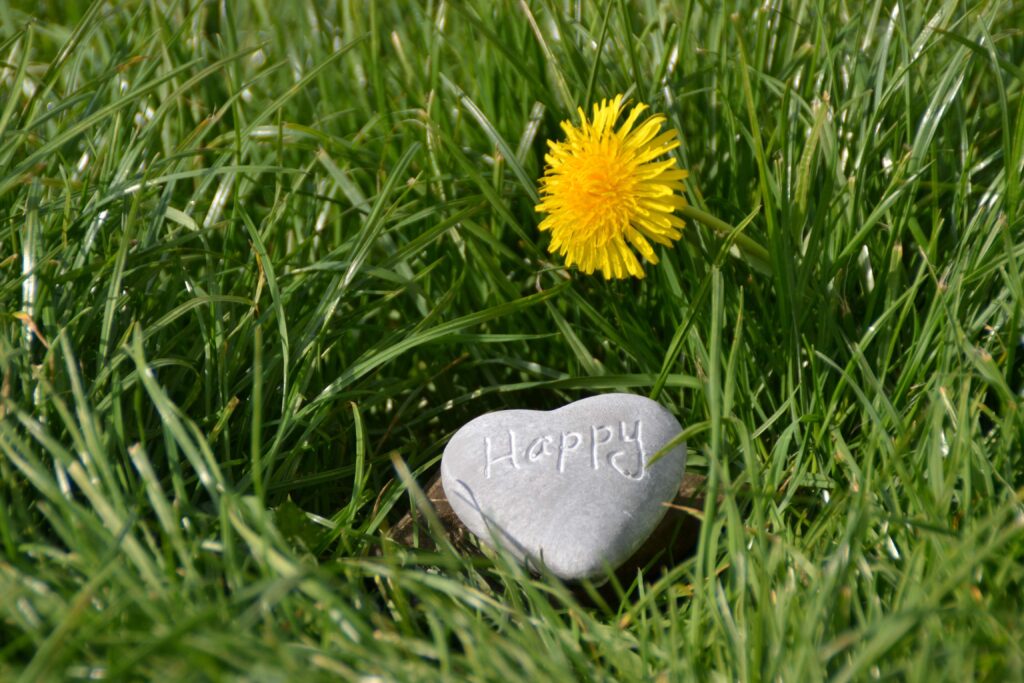
rock and flower

Taking just a few minutes each day to reflect on what you’re thankful for can shift your focus. Instead of dwelling on what’s lacking, you’ll notice the abundance in your life. This perspective often leads to a more optimistic outlook, even during challenges.. 

Check out this article from Psychology Today on “How The Practice of Gratitude Can Improve Your Life“.

Health Benefits of Gratitude Journaling

Gratitude journaling offers so many benefits for midlife, both for your mind and your body. Taking a few minutes each day to reflect on what you’re thankful for can lift your mood, reduce stress, and even improve sleep quality. It’s also been shown to boost self-esteem and help you feel more positive about the aging process (Power of Positivity has a great article on this!).

If you want more ways to support your mental well-being, check out this post on 10 Benefits of Journaling for Mental Health.

woman journaling with a cupt of coffee

Beyond mental health, gratitude journaling can strengthen your relationships and improve social connections. Focusing on the people and moments you appreciate creates a ripple effect of positivity in your life. Research even shows it can support physical health by lowering blood pressure and strengthening your immune system.

Perhaps one of the best parts is that gratitude journaling encourages mindfulness, resilience, and adaptability during life’s transitions. It’s a simple, yet powerful tool for midlife women to navigate challenges with confidence, embrace the positives, and fully enjoy the journey. You may also enjoy this blog post on What is Mindfulness? How to Get Started & Enhance Your Midlife Well-Being

Other Benefits of Gratitude Journaling

.Enhanced Self-Esteem and Self-Worth

Midlife often brings about introspection and self-evaluation. Gratitude journaling benefits your self-esteem by helping you recognize your accomplishments and the positive aspects of your life journey.

When you regularly acknowledge and appreciate your achievements, no matter how small, it fosters a sense of self-worth and confidence. This newfound self-assurance can empower you to navigate the transitions and uncertainties that midlife presents with a greater sense of resilience.

For more ways to improve your self-esteem, check out 5 Ways to Improve Self-Esteem: What I Wish I Knew Earlier in Life.

.Cultivates Resilience and Mindfulness

Incorporating positive affirmations into your gratitude journaling routine can amplify its benefits.

Positive affirmations are statements that strengthen your belief in your abilities and potential. When you blend these affirmations with your gratitude reflections, you form a strong partnership.

Related Post: Positive Affirmations For Anxiety And Depression: How Can They Help?

positive affirmation sign/gratitude journaling benefits

This combination cultivates resilience by training your mind to focus on the positive aspects of your life and encouraging a mindful presence. As a result, you become better able to handle stress and setbacks, embracing challenges as opportunities for growth.

.Fosters Stronger Relationships

Midlife often involves nurturing relationships with family, friends, and colleagues. Gratitude journaling benefits your relationships by shifting your focus to appreciating the people who enrich your life.

Gratitude journaling benefits relationships: family and friends connecting

Expressing gratitude for their presence and support can deepen your connections and create a more positive and supportive social network. Moreover, when you radiate positivity through gratitude, you inspire those around you to take on a similar mindset, contributing to a peaceful environment.

Related Post: 20 Simple Strategies for Building Strong Connections: A Guide on How to Nurture Relationships

.Gratitude Journaling Benefits: Creates a Balanced Perspective

As midlife unfolds, it’s natural to reflect on the past and ponder the future. Gratitude journaling helps you create a balanced outlook by grounding you in the present moment.

When you acknowledge the beauty and goodness in your life, you become less preoccupied with regrets or anxieties about what’s to come. This shift allows you to fully engage with the present, making the most of every experience and enjoying the richness of each moment.

.Enhanced Creativity

Gratitude journaling can spark creativity and inspiration. When you focus on the positive aspects of your life, your mind becomes more open to new ideas and perspectives, fostering creative thinking.

Get creative/benefits of gratitude journaling

.Increased Empathy – Benefits of Gratitude Journaling

Reflecting on the things you’re thankful for can make you more aware of the kindness and generosity of others. This increased awareness can lead to a boost in empathy and compassion towards others, creating stronger connections.

.Strengthened Mind-Body Connection

Acknowledging gratitude can help you become more mindful of your body’s signals and needs. This increased awareness can lead to healthier lifestyle choices and better self-care practices.

.Reduced Materialism

As you appreciate the intangible blessings in your life, gratitude can help shift your focus away from material possessions. This can lead to a more minimalist and fulfilling lifestyle.

.Boosted Productivity

When you approach each day with a sense of gratitude, you’re more likely to be motivated and productive. Gratitude can serve as a natural energizer, helping you tackle tasks with a positive attitude.

A Deeper Sense of Purpose is a Benefit of Gratitude Journaling

Reflecting on the things you’re grateful for can lead to a greater sense of purpose and fulfillment. It encourages you to find meaning in everyday moments and contributes to a more enriched life.

.Heightened Self-Awareness

Gratitude journaling facilitates self-discovery and self-awareness. It encourages you to reflect on your values, desires, and aspirations, leading to a deeper understanding of yourself.

How to Start Gratitude Journaling in Midlife

Starting a gratitude journaling practice doesn’t have to be complicated. Here are some simple tips to help you get going:

  • Pick a time: Choose a consistent time each day, like first thing in the morning or before bed.
  • Choose your journal: Use a simple notebook, a guided journal, or even a notes app on your phone.
  • Keep it simple: Write 3 things you’re grateful for each day. Focus on the small joys as well as big wins.
  • Add affirmations: Include one positive affirmation to reinforce self-confidence and resilience.
  • Reflect briefly: Spend a minute or two thinking about why each item matters.

Gratitude Journal Prompts to Get You Started

Not sure what to write? Here are some prompts specifically for midlife women:

  1. What’s one small victory I had today?
  2. Who made a difference in my life this week, and why?
  3. What challenge taught me something valuable recently?
  4. What is a personal strength I’m proud of?
  5. Name one simple pleasure that brought me joy today.
  6. What am I looking forward to in the coming week?
  7. How did someone else’s kindness impact me this month?
  8. What’s a lesson I learned from a past experience that I’m grateful for?

FAQ: Gratitude Journaling for Midlife Women

What is gratitude journaling?
Gratitude journaling is the daily practice of writing down things you’re thankful for. It helps shift your focus from what’s missing to what’s abundant in your life.

How often should I journal?
Even 5 minutes a day can make a difference. Consistency is more important than length.

Can gratitude journaling improve mental health in midlife?
Absolutely. Studies show it can reduce stress, improve sleep, boost mood, and enhance overall well-being.

Do I need a fancy journal or special pen?
Not at all! Any notebook or even a digital note app works. What matters is making it a daily habit.

Embracing The Benefits of Gratitude Journaling for a Fulfilling Midlife Journey

Incorporating gratitude journaling benefits into your daily routine can truly transform your midlife experience. By nurturing self-esteem, fostering resilience, enhancing relationships, and promoting mindfulness, gratitude becomes a guiding force that shapes your perspective and enriches your journey.

As you navigate midlife changes, take a few moments each day to embrace the benefits of gratitude journaling and positive affirmations. Your midlife mind and mood will thank you for it, and you’ll discover that even amidst challenges, there is a world of beauty and joy to be celebrated.

So grab a gratitude journal, your favorite pen and beverage, and find a cozy spot to kickstart your journaling journey.

Do you currently enjoy the benefits of gratitude journaling?  If so, what positive outcomes have you experienced?

If you enjoyed this blog post, don’t forget to subscribe to our blog for more inspiring ideas and tips. You can also follow us on PinterestFacebookInstagram and Flipboard.

Other Posts You May Enjoy:
Gratitude Journaling Benefits
Woman in midlife reflecting with a cup of tea during autumn, preparing to journal using fall journaling prompts for reflection and mindfulness.

50 Fall Journaling Prompts for Women in Midlife to Inspire Mindfulness and Personal Growth

As the beautiful colors of autumn start to appear and the air turns cooler, fall journaling prompts offer a wonderful opportunity to slow down, reflect, and reconnect with yourself. For women in midlife, this season often brings a natural invitation to pause, appreciate how far you’ve come, and consider where you’d like the next chapter of life to lead.

Fall has always been a season of change. Trees let go of their leaves, gardens begin to rest, and the pace of life often feels just a little calmer after the busyness of summer. It’s the perfect time to embrace mindfulness, practice gratitude, and create space for personal growth through journaling.

If you’ve never kept a journal before, don’t worry. There are no rules and no right or wrong way to begin. Journaling is simply a chance to put your thoughts on paper, explore your emotions, celebrate your accomplishments, and work through life’s challenges one page at a time.

These 50 fall journaling prompts for women in midlife are designed to inspire meaningful reflection while helping you cultivate mindfulness, self-awareness, and inner peace throughout the season. Whether you spend five quiet minutes each morning with a cup of coffee or unwind by writing before bed, each prompt is an invitation to slow down, be present, and embrace the beauty of both the season around you and the changes happening within.

Woman enjoying a peaceful autumn walk while practicing mindfulness and reflection.
Photo by Daniel Cosmo on Unsplash

What Are Fall Journaling Prompts?

Fall journaling prompts are thoughtful questions or writing ideas designed to encourage reflection, gratitude, mindfulness, and personal growth during the autumn season. They provide a simple starting point when you’re unsure what to write and can help you process life’s transitions, celebrate everyday moments, and gain greater clarity. For many women in midlife, fall journaling becomes a meaningful self-care practice that supports emotional well-being while creating space to slow down and reconnect with what matters most.

My posts may contain affiliate links. If you purchase through one of these links, you will not pay a penny more, but I will receive a small commission. Please read my disclaimer for more information.

In this collection, you’ll find 50 thoughtfully designed fall journaling prompts created to inspire reflection, encourage mindfulness, and support personal growth during one of the most beautiful seasons of the year. Some prompts invite you to celebrate gratitude, while others encourage you to explore your dreams, relationships, and the life lessons that continue to shape you. Take your time, answer the ones that speak to you most, and remember that every page you write is a step toward greater self-awareness.

To make your journaling practice even more enjoyable, consider choosing a beautiful journal that inspires you to slow down, reflect, and write regularly.

Now, let’s dive into the fall journaling prompts to help you nurture mindfulness and personal growth.

Why Journaling Matters in Midlife

Midlife is often a season of transition. Whether you’re adjusting to an empty nest, navigating career changes, caring for aging parents, welcoming grandchildren, or simply rethinking what you want the years ahead to look like, it’s a time that invites reflection and growth.

Journaling offers a quiet space to slow down and process those experiences. It allows you to celebrate life’s joys, work through challenges, recognize patterns in your thoughts and emotions, and gain a clearer understanding of what truly matters to you.

Fall feels especially well-suited for this kind of reflection. As nature begins to slow down and let go of one season before welcoming the next, it’s a gentle reminder that change is a natural part of life. Taking just a few minutes to write each day can help you appreciate the present, practice gratitude, and approach life’s transitions with greater confidence and clarity.

One of the wonderful things about journaling is that it doesn’t have to be perfect. Some days you may write several pages. On other days, a few thoughtful sentences are enough. The goal isn’t to create a beautifully written journal. It’s to create space to listen to yourself without distractions or expectations.

If you’re new to journaling or want to learn more about its benefits, you may enjoy reading my blog post on Top 10 Benefits of Journaling for Mental Health, where I share some of the many ways journaling can support emotional well-being, reduce stress, and encourage a healthier mindset.

Journaling also pairs beautifully with mindfulness. By focusing on your thoughts, emotions, and the present moment without judgment, you can develop greater self-awareness and appreciation for everyday life. If you’d like to learn more, be sure to read What Is Mindfulness? How to Get Started & Enhance Your Midlife Well-Being, where I share simple ways to make mindfulness part of your daily routine.

And because journaling is one form of self-care, you might also enjoy my 25 Fall Self-Care Ideas You Can Enjoy On Almost Any Budget for even more simple ways to nurture your mind, body, and spirit throughout the season.

Cozy fall journaling setup with notebook, tea, and autumn decorations for mindful reflection.
Photo by Svitlana on Unsplash

How to Get the Most From These Fall Journaling Prompts

You don’t need a special writing style or years of journaling experience to enjoy these prompts. The most important thing is to approach them with curiosity and allow yourself to write honestly.

Here are a few simple tips to help you get the most from your journaling practice this fall:

  • Choose a quiet, comfortable space. Whether it’s your favorite chair, the front porch, or the kitchen table with a warm cup of tea, creating a peaceful environment can make journaling something you look forward to.
  • Write without worrying about perfection. Your journal is for you. Don’t worry about spelling, grammar, or writing the “right” answer. Let your thoughts flow naturally.
  • Take your time. You don’t have to answer every prompt in one sitting. Choose the ones that resonate with you and come back to the others throughout the season.
  • Be honest with yourself. Some prompts may bring up happy memories, while others may encourage deeper reflection. Allow yourself to write openly and without judgment.
  • Notice patterns over time. As the weeks go by, you may begin to see recurring themes, new goals, or positive changes in your mindset that you might not have noticed otherwise.
  • End each journaling session with gratitude. Before closing your journal, write down one thing you’re thankful for that day. It’s a simple habit that can help shift your focus toward the positive, even during challenging seasons.

Remember, there isn’t a right or wrong way to journal. Every page you write is an opportunity to learn something new about yourself, celebrate your progress, and embrace the beauty of this season of life.

Grab your favorite journal, find a cozy spot, and choose the prompt that speaks to you today. There is no need to work through them in order. Simply begin where your heart leads you.

50 Fall Journaling Prompts for Self-Reflection and Growth

Fall Journaling Prompts for Gratitude, Reflection, and Mindfulness

1. Fall is often a season of change. As the leaves begin to change and fall, what changes are you experiencing in your own life? How have they shaped the person you are becoming?

2. Think back to a favorite fall memory from your younger years. Why does it still bring you joy, and what does it teach you about what matters most?

3. Where in your life could you let go of the need to control every outcome? What might become possible if you embraced uncertainty a little more?

4. As this new season begins, what are you most grateful for? Include both the big blessings and the simple everyday moments that bring you joy.

5. Is there a hobby, creative project, or new interest you’ve been wanting to try? What’s one small step you could take this fall?

6. How can you become more present during your everyday routines this season?

7. Describe a recent moment in nature that made you slow down, smile, or simply appreciate the beauty around you.

Fall Journal Prompts for Personal Growth and Self-Discovery

8. Write a letter to your future self one year from now. What do you hope she’ll thank you for?

9. Think about a challenge you’ve overcome. How did it help you grow, and what strengths did you discover along the way?

10. What does self-compassion look like in your life today? How can you offer yourself more grace this season?

Related Post: Self-Compassion Examples Unmasked: Do They Encourage Complacency or Drive Success?

11. How could you invite more creativity into your everyday life this fall?

12. What book, podcast, or conversation has inspired you recently? What lesson stayed with you?

13. What can the changing seasons teach you about letting go, starting over, or embracing change?

14. Describe a mindfulness practice, meditation, or breathing exercise that helps you feel calm and grounded.

15. Celebrate a recent accomplishment, no matter how small. What did you learn about yourself through the experience?

Fall Journal Prompts for Relationships, Connection, and Purpose

16. How can you strengthen your relationships with family or friends this season?

Related Post: 20 Simple Strategies for Building Strong Connections: A Guide on How to Nurture Relationships

17. If you could take a fall getaway anywhere, where would you go, and what draws you to that place?

18. What kind of legacy do you hope to leave for your family and future generations?

19. Is there someone you need to forgive, including yourself? How might forgiveness help you move forward?

20. Think about someone who has positively influenced your life. What qualities do you admire most about them?

21. Are there any new traditions or simple fall rituals you’d like to create this year?

Related Post: 7 Fun Fall Activities Everyone Will Love (That Won’t Break the Bank!)

22. Describe a time when you trusted your intuition. What happened, and what did you learn?

Fall Journal Prompts for Mindfulness and Everyday Living

23. What does self-care look like for you during this season? Are there small changes you could make to better care for your mind, body, and spirit?

24. Is there a fear that’s been holding you back? What is one small step you could take toward overcoming it?

25. When have you shown resilience during a difficult season of life? What helped you keep moving forward?

26. What beliefs or thoughts no longer serve you? How can you begin replacing them with more encouraging ones?

27. Describe an autumn moment when you felt deeply connected to nature.

28. How can you bring more gratitude into your everyday life this season?

29. Choose one meaningful goal for this fall. What are three realistic steps you can take to achieve it?

30. Looking back over the different seasons of your life, what lessons stand out the most?

31. What helps you stay grounded when life feels overwhelming?

32. Think about your favorite fall meal. How can slowing down and savoring it become an act of mindfulness?

33. What change are you resisting right now? How might embracing it open the door to something positive?

Fall Journal Prompts for Self-Love, Simplicity, and Your Next Chapter

34. What role does quiet time or solitude play in helping you recharge?

35. In what area of your life could being more vulnerable strengthen your relationships or personal growth?

36. Recall a recent act of kindness, either toward yourself or someone else. How did it make you feel?

37. If you looked at your current life through fresh eyes, what would you appreciate more?

38. What new skill or area of learning would you enjoy exploring over the next year?

39. When do you feel most connected to your authentic self?

40. How does setting intentions influence the choices you make each day?

41. Where have you noticed moments of curiosity, joy, or wonder this fall?

42. Is there a favorite quote, Bible verse, or affirmation that encourages you during seasons of change? Why is it meaningful to you?

43. Describe a recent moment when you stepped outside your comfort zone. What did you learn?

44. What does practicing self-love look like in this season of your life?

Related Post: The Benefits of Self-Love and How to Practice It in Midlife

45. What does living a balanced life mean to you today?

Related Post: 10 Realistic Tips to Help Manage the Challenges of Balancing Work and Family

46. How can embracing imperfection help you experience more peace and contentment?

47. Think about a difficult season you’ve lived through. How has it shaped who you are today?

48. What is one area of your life you could simplify this fall to create more peace?

49. How has gratitude changed your outlook over the years?

50. Imagine yourself one year from today. What do you hope you’ll be celebrating, and what small steps can you begin taking today to make that vision a reality?

Free Fall Mood Tracker

Continue Your Fall Reflection Journey

If these journaling prompts inspired you to slow down and reflect, I’d love to help you continue the journey.

My FREE Fall Mood Tracker is a simple printable that helps you become more aware of your emotions, recognize patterns over time, and make mindfulness a natural part of your daily routine. Pair it with your journal and watch how even a few minutes of reflection each day can help you appreciate the season in a whole new way.

Create a Cozy Fall Journaling Routine

One of the things I love most about fall is that it naturally encourages us to slow down. The cooler temperatures, colorful leaves, and quieter evenings create the perfect setting for spending a few peaceful moments with your journal.

The best journaling routine isn’t the one that takes an hour every day. It’s the one you’ll actually look forward to and can stick with consistently.

Consider creating a simple fall journaling ritual that feels relaxing and enjoyable. You might diffuse your favorite fall essential oil blend, wrap yourself in a cozy blanket, brew a cup of tea or coffee, and spend just ten or fifteen minutes writing before the busyness of the day begins or while winding down in the evening.

If getting started feels overwhelming, choose just one prompt from this list each week. Some days you may fill several pages, while other days a few thoughtful sentences are enough. Every time you sit down to write, you’re giving yourself the gift of slowing down and paying attention to your thoughts and feelings.

You can also combine journaling with other simple self-care habits. Take a walk through your neighborhood to enjoy the changing leaves before you write. Practice a few minutes of deep breathing. Listen to calming music, or spend a few quiet moments reflecting on what you’re grateful for.

If you’re looking for more simple ways to embrace the season, be sure to read my 25 Fall Self-Care Ideas You Can Enjoy On Almost Any Budget, where you’ll find even more cozy ideas to help you care for your mind, body, and spirit this autumn.

Cozy fall evening journaling routine with a journal, candle, and warm drink.
Photo by Svitlana on Unsplash

Journaling can be a wonderful way to think about what you want from the season ahead. If you’re ready to take that idea a little further, my Fall Reset Checklist includes simple ways to refresh your home, routines, schedule, and other areas of everyday life.

Frequently Asked Questions About Fall Journaling

What are fall journaling prompts?

Fall journaling prompts are thoughtful questions designed to encourage reflection, gratitude, mindfulness, and personal growth during the autumn season. They inspire when you’re unsure what to write and help you slow down and appreciate this season of change.

How often should I journal?

There isn’t a perfect schedule. Some people enjoy writing every day, while others journal once or twice a week. The most important thing is to choose a routine that feels realistic and enjoyable for you.

Do I need a special journal?

Not at all. Any notebook will work. If using a beautiful journal inspires you to write more often, that’s wonderful, but the habit of journaling is far more important than the journal itself.

What if I don’t know how to answer a prompt?

There are no right or wrong answers. Start by writing whatever comes to mind, even if it’s only a sentence or two. Often, the act of writing helps your thoughts unfold naturally.

Can journaling help reduce stress?

Many people find that journaling helps them organize their thoughts, process emotions, and gain perspective during stressful times. It can also encourage gratitude, mindfulness, and greater self-awareness, making it a valuable part of a regular self-care routine.

Related Post: 10 Powerful Benefits of Journaling for Mental Health (+ How to Start)

Final Thoughts on Fall Journaling

Fall reminds us that change doesn’t have to be rushed. Nature slows down, the days become a little quieter, and we have an opportunity to pause and reflect on where we’ve been and where we’d like to go.

Whether you choose one prompt or work your way through all fifty, I hope these fall journaling prompts encourage you to embrace this season with greater mindfulness, gratitude, and intention. There is no perfect way to journal. Simply showing up with an open heart and a willingness to reflect is enough.

I’d love to hear from you. Which journaling prompt are you most excited to try? Share your favorite in the comments below!

Happy journaling!

Continue Your Mindfulness Journey

If you enjoyed these fall journaling prompts, here are a few more resources to support your journey toward greater mindfulness, self-care, and personal growth:

If you enjoyed this blog post, don’t forget to subscribe to our blog for more inspiring ideas and tips. You can also follow us on PinterestFacebookInstagram and Flipboard.

Other Posts You May Enjoy:
Save these fall journaling prompts for later!

Cozy fall journal with autumn leaves and tea featuring journaling prompts for women in midlife.

10 Powerful Benefits of Journaling for Mental Health (+ How to Start)

Feeling overwhelmed? Journaling is a simple yet powerful way to clear your mind, reduce stress, and boost self-awareness. In this post, you’ll discover the top 10 benefits of journaling for mental health, plus practical tips to get started!

In this blog post, I will share why journaling works and explore some practical tips on how to get started with this powerful practice. So, whether you’re looking to manage your emotions, boost your creativity, or simply find a safe and supportive outlet for your thoughts and feelings, keep reading to discover how journaling can help.

My posts may contain affiliate links. If you purchase through one of these links, you will not pay a penny more, but I will receive a small commission. Please read my disclaimer for more information.

Why Is Journaling Beneficial for Mental Health?

Journaling allows you to express your thoughts and emotions in a safe, private space. Scientific studies have shown that writing can lower stress hormones, improve mood, and help process difficult emotions. Here are some of the key benefits:

Reduces Stress and Anxiety

Journaling can help reduce stress by providing an outlet for expressing emotions and thoughts that may be causing anxiety or tension.  Studies have shown that expressive writing can lead to decreased levels of the stress hormone cortisol.

Journaling gets even more powerful when you pair it with mindfulness. Check out my post on mindfulness practices to enhance your well-being to see how they work together!

Improves Mood and Emotional Well-Being

Journaling helps you process emotions and focus on positive aspects of your life. By tracking patterns in your thinking, you can shift your mindset toward gratitude and optimism.

Related Post: What is A Fixed Mindset?  How to Shift to A Growth Mindset

Enhances Self-Awareness

Writing in a journal can help you gain a better understanding of yourself and your behaviors. This increased self-awareness can lead to better decision-making and problem-solving.

Another Benefit of Journaling for Mental Health Is It Helps You Processing Difficult Experiences

Journaling provides a healthy outlet to work through challenges, including past traumas or emotional struggles. Writing can help you make sense of painful events and start the healing process.

Journaling for Mental Health Helps Encourage Gratitude and Positivity

Writing in a journal can encourage you to focus on the positive aspects of your life and cultivate feelings of gratitude, which can lead to improved mental health and well-being.

Overall, journaling can be a very valuable tool for promoting mental health and well-being by providing an outlet for expressing emotions, improving mood, enhancing self-awareness, processing difficult experiences, and encouraging gratitude.

What Does Journaling Do for The Brain? 

As mentioned above, writing about your thoughts and emotions can help you process and release stress.

Another one of the benefits of journaling for mental health is that it can improve your memory, boost creativity, and facilitate problem-solving.

What Are The 10 Benefits of Journaling for Mental Health

1. Promotes Personal Growth

Journaling can deepen self-awareness, which is key for personal growth. Check out my post on Personal Growth Goals: Tips on Why They Are Beneficial to Establish

2. Provides A Record Of Your Life

Keeping a journal allows you to document your thoughts and experiences over time, providing a valuable record of your life.

3. Improves Communication Skills

Writing regularly can help you improve your written communication skills, which can be useful in many areas of life.

4. Benefit of Journaling for Mental Health: Enhance Emotional Intelligence

Journaling can help you develop greater emotional intelligence, including self-awareness, self-regulation, empathy, and social skills.

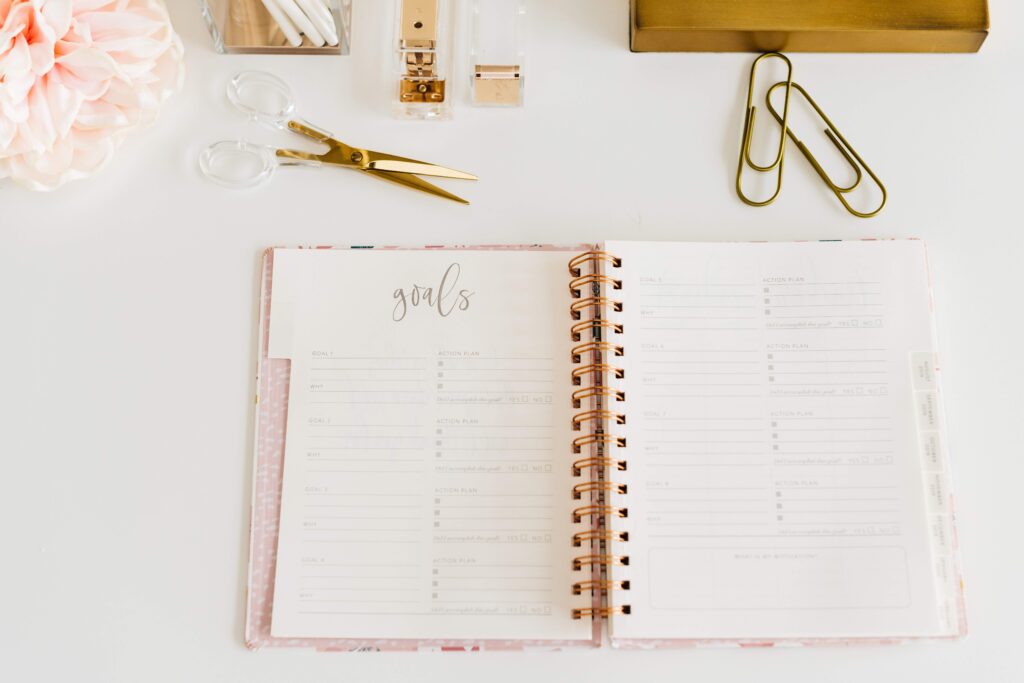
5. Mental Health Journaling Helps With Goal Setting

Journaling can help you clarify your goals, track your progress, and stay motivated.

benefits of journaling for mental health

6. Supports Emotional Regulation

Writing about your emotions can help you process them and regulate your mood.

7. Enhances Self-Esteem

Journaling can help you focus on your strengths and accomplishments, leading to greater self-confidence and self-esteem.

Related Post: 5 Ways to Improve Self-Esteem: What I Wish I Knew Earlier in Life

8. Encourages Mindfulness

Writing in a journal can be a mindful activity allowing you to focus on the present while tuning out distractions.

Related Post: What is Mindfulness? How to Get Started & Enhance Your Midlife Well-Being

9. Benefits of Journaling for Mental Health: Increase productivity

Journaling can help you plan your day, prioritize what needs to be done, and help you stay organized.

Related Post: How to Create a Good Evening Routine for Better Sleep and Productivity

10. Provides A Safe Place for Self-Expression

It allows you to freely express yourself without fear of judgment which can be therapeutic and empowering.

Helpful Steps To Get Started Journaling For Mental Health

Choose a journal that suits you: Consider what style of journal you prefer. Some people find it helpful to choose a journal that you can lock or one with a unique cover to make it feel more personal.  A spiral notebook can even be used as a journal.  It does not have to be fancy to be effective.

Decide when and how often you want to write. Setting aside a specific time each day or week to write in your journal can help establish a routine and ensure that you make time for self-reflection. The most important thing is to choose a time that will work best for your schedule.

Write freely and honestly. Remember that this journal is for you and you alone. Write whatever comes to mind without worrying about grammar, punctuation, or spelling. Use your journal to express your emotions, thoughts, and experiences without fear of judgment.

Use prompts to get started: If you’re struggling to get started, consider using prompts to spark your creativity.  (There are 20 prompts listed below to guide you.)

Reflect on your entries. Take some time to read through your past entries and reflect on what you’ve written. Look for patterns or themes that may emerge over time. This can help you gain insight into your emotions and behaviors and identify areas for growth.

Consider seeking additional support.  While journaling can be a helpful tool for improving mental health, it’s important to recognize that it may not be enough on its own. Consider seeking additional support from a therapist or counselor if you’re struggling with mental health issues.

20 Journal Prompts for Mental Health

  • What are three things I’m grateful for today, and why?
  • What are some common negative thought patterns I experience, and how can I challenge them?
  • How can I practice self-care and prioritize my mental health?
  • What are some of my core values, and how can I align my actions with them?
  • What are some obstacles or challenges I’m facing right now, and how can I overcome them?
  • Are there some healthy coping strategies I can use when I’m feeling stressed or anxious?
  • What are some activities or hobbies that bring me joy, and how can I make time for them in my life?
  • Are there relationships in my life that bring me joy and fulfillment? How can I nurture those connections?
  • What are some long-term goals or aspirations I have for my mental health and well-being, and how can I work towards them?
blank journal - benefits of journaling for mental health

20 Journal Prompts for Mental Health (continued)

  • Are there triggers that tend to exacerbate my anxiety or depression? How can I manage them more effectively?
  • What are some self-limiting beliefs I hold about myself, and how can I challenge them?
  • What are some qualities I admire in others, and how can I cultivate those qualities in myself?
  • How can I practice mindfulness and be more present in the moment?
  • What are some small actions I can take each day to prioritize my mental health and well-being?
  • What are some experiences or memories that bring up strong emotions for me, and how can I process those emotions?
  • How can I can connect with others and build a supportive community around me?
  • What are some things I’m proud of accomplishing recently, and how can I build on that momentum?
  • How can I practice self-compassion and be kinder to myself?
  • What are some things I’m looking forward to in the future, and how can I stay optimistic?

Need more ideas? Check out my post on Mindfulness Journal Prompts for Women in Midlife.

To Summarize The Benefits of Journaling for Mental Health

We now know what a powerful tool journaling can be for promoting mental health and well-being.

By taking the time to reflect on your thoughts, feelings, and experiences, you can gain greater self-awareness, regulate your emotions, and cultivate a sense of gratitude and positivity.

Whether you’re struggling with anxiety or depression, or simply looking to improve your overall mental health, journaling can be a valuable addition to your self-care routine.

So, if you haven’t already, why not give journaling a try? Take a few minutes each day to write in a journal using some of the prompts listed above or come up with your own. You might be surprised at how much clarity, insight, and peace of mind you can gain from this simple practice.

If you’re already a journaling pro, keep up the great work! Remember to be kind and compassionate with yourself as you write, and to focus on the positive changes you’re making in your life.

So, let’s make journaling a part of our daily routine, and see what positive changes we can create in our mental health and well-being!

I’d love to hear how journaling has benefited your mental well-being.

If you enjoyed this blog post, don’t forget to subscribe to our blog for more inspiring ideas and tips. You can also follow us on PinterestFacebookInstagram and Flipboard.

Other Posts You May Enjoy:
Short of time? Pin this post for later!

Midlife woman journaling near a window, reflecting on self-love importance and emotional well-being.

Self-Love Importance in Midlife: 10 Journal Prompts for Deeper Self-Care

Self-love importance was not something I fully understood until I reached midlife. For many years, I focused on caring for everyone else while quietly ignoring my own needs. If you can relate, you are not alone. Learning the importance of self-love can feel uncomfortable at first, especially if it was never modeled for you. Still, it can be one of the most meaningful shifts you make for your well-being.

Self-love is not about being selfish or self-absorbed. It is about building a healthier relationship with yourself so you can show up more fully in your life, your relationships, and your responsibilities.

My posts may contain affiliate links. If you purchase through one of these links, you will not pay a penny more, but I will receive a small commission. Please read my disclaimer for more information.
 

Self-Love Importance: Make It A Habit

What Is Self-Love?

Self-love is the practice of valuing yourself, treating yourself with kindness, and honoring your emotional, mental, and physical needs. It means speaking to yourself with compassion, setting healthy boundaries, and recognizing your worth, even on hard days.

Understanding self-love importance is essential because how you treat yourself internally often shapes how you experience the world around you. When self-love is missing, stress feels heavier, confidence suffers, and burnout becomes more likely.

If you find yourself constantly criticizing your choices, ignoring your needs, or pushing through exhaustion, self-love may be exactly what is missing.

Why the Importance of Self-Love Matters in Midlife

Midlife can bring many transitions. Changing roles, shifting priorities, health concerns, and emotional overload can all surface at once. During this season, self-love becomes less of a luxury and more of a necessity.

When I began focusing on self-love, I noticed that journaling helped me slow down and actually listen to myself. Writing gave me a safe place to process emotions instead of carrying them into the night. Over time, this simple habit helped reduce stress and improved my sleep.

Some benefits of self-love include:

  • Greater self-awareness and emotional clarity
  • Reduced anxiety and overwhelm
  • Improved confidence and self-trust
  • Healthier boundaries
  • A stronger sense of self-worth

If stress or burnout feels familiar, you may find additional support in my blog post on the benefits of self-love.

How Journaling Supports Self-Love

Journaling for self-love is one of the simplest and most effective ways to reconnect with yourself. You do not need special tools or long writing sessions. What matters most is consistency and honesty.

Journaling supports self-love by:

  • Creating space to process emotions without judgment
  • Helping you recognize patterns in thoughts and behaviors
  • Reducing mental clutter before sleep
  • Encouraging self-reflection and personal growth
  • Supporting emotional regulation during stressful seasons

Writing things down allows you to release what you are holding inside rather than letting it quietly build. Over time, journaling becomes a self-love habit that helps you feel more grounded and aware.

Related Post: The Surprising Ways Gratitude Journaling Benefits Your Midlife Mind And Mood

Make Self-Love a Habit Through Journaling

There is no right or wrong way to journal. This practice is meant to support you, not pressure you. Start small and make it your own so it feels approachable and sustainable.

If you ever feel unsure about what to write, journal prompts can help guide your thoughts and remove the overwhelm of a blank page. Prompts make it easier to begin, even on days when motivation feels low.

Below are ten self-love journal prompts designed to encourage reflection, awareness, and growth.

Self-Love Journal Prompts

  1. What is something amazing that happened today, or what is one thing you are looking forward to?
  2. Who or what are you grateful for today?
  3. Make a list of the things that bring you joy.
  4. How are you feeling right now? What emotions are present?
  5. What is one thing in your life that you can control today?
  6. What does a low-stress day look like for you, and what is one step you can take toward it?
  7. Write about one thing you love about your personality.
  8. What small steps can you take to move closer to your dreams?
  9. Write down five things that make you unique.
  10. List three things you feel you do well.

Progress Over Perfection

Practicing self-love does not require perfection. Some days journaling will feel easy, and other days it may not happen at all. That does not mean you have failed. Self-love is about meeting yourself where you are and continuing without guilt.

Choosing to begin again is always an act of self-respect.

Frequently Asked Questions About Self-Love and Journaling

Why is self-love important?
Self-love is important because it influences how you cope with stress, set boundaries, and care for your mental and emotional health. Without self-love, it becomes harder to maintain balance and well-being.

How often should I journal for self-love?
There is no required schedule. Even a few minutes a few times a week can be beneficial. Consistency matters more than frequency.

Do I need to be good at writing to journal?
No. Journaling is not about grammar or structure. It is about expressing thoughts honestly and openly.

Can journaling really help with anxiety or burnout?
Yes. Journaling can help reduce anxiety by allowing you to process emotions, identify triggers, and release mental clutter. It is a supportive self-care tool, especially during overwhelming seasons.

Final Thoughts

Learning the importance of self-love is a journey, not a destination. Each small habit you build helps you understand yourself better and treat yourself with greater compassion.

If you want to continue exploring this topic, be sure to read my post on the benefits of self-love and browse other journaling and self-care resources on the blog.

I would love to hear from you. Is journaling part of your self-love practice, or is it something you are considering starting? Share your thoughts in the comments below.

If you enjoyed this blog post, don’t forget to subscribe to our blog for more inspiring ideas and tips. You can also follow us on PinterestFacebookInstagram, and Flipboard.

Other Posts You May Enjoy

Be sure to save this for your self-love journey!

Midlife woman journaling in a calm as part of a self-love journaling practice.