Do you ever reach the end of the day wondering where the time went, even though you’ve been busy nonstop? If so, you’re not alone. It’s so easy to feel like you’re constantly juggling everything and still not getting enough done. That’s exactly why I started using a time block planner for productivity, and it completely changed how I move through my days.
Instead of feeling scattered, I finally have a way to stay focused, be more intentional, and carve out space for myself without the guilt. If you’ve been craving a little more calm and structure in your day, this post will walk you through exactly how to make that happen.
My posts may contain affiliate links. If you purchase through one of these links, you will not pay a penny more, but I will receive a small commission. Please read my disclaimer for more information.
Why Time Blocking Works for Productivity
Time blocking is a simple yet powerful way to plan your day with purpose. Rather than trying to multitask or react to whatever pops up, you map out specific time blocks for what matters most, from focused work sessions to quiet self-care breaks.

It’s not about doing more, it’s about being more intentional with your time. Once you start using a time block planner for productivity, you’ll notice how much easier it becomes to protect your energy, stay focused, and actually follow through on your priorities.
If you’ve ever felt like your schedule controls you instead of the other way around, this method will help shift that. And if you want to take it a step further, my post on 5 Time-Saving Tips Which Will Make Your Life Easier At Home offers easy ideas to streamline your routine even more. You can read it here.
How to Use a Time Block Planner for Productivity
Here’s a simple way to start using your planner effectively:
1. Start with your priorities.
Before you fill in any blocks, take a minute to jot down what truly matters today. Not everything can be a top priority, and that’s okay.
2. Group similar tasks together.
Batching similar tasks like emails or errands helps keep your brain in the same zone and saves time switching between activities.

3. Don’t forget to block self-care time.
Productivity isn’t about working nonstop. It’s about finding balance. Add time blocks for rest, movement, or just a few minutes of quiet. My post on How to Make Time for Yourself Even When Life Seems Crazy has a few tricks that pair perfectly with this step.
4. Protect your focus time.
This is your “no interruptions” block, the time when you can truly get things done. Silence notifications and allow yourself to dive in.
5. Reflect and adjust.
At the end of the week, take a few minutes to look at what worked (and what didn’t). Time blocking gets easier the more you do it.
How I Use My Time Block Planner
Personally, my Time Block Planner for Productivity has been a total game-changer. I like to fill it out the night before to help me wake up with a plan and a sense of calm rather than chaos. You can grab the planner here.

Each block helps me focus on one thing at a time and makes room for meaningful breaks. I also pair it with my Self-Care Organization Checklist, which helps me make sure I’m not just checking off tasks but also taking care of myself in the process. Get the checklist here.

If mornings tend to feel rushed, my post on How to Be More Productive in the Morning for a Successful Day is another great read to help you start your day feeling more grounded and prepared.
The Connection Between Time Blocking and Self-Care
It might not seem obvious, but time blocking is actually an act of self-care. When you intentionally plan your day, you’re setting boundaries that protect your time, energy, and mental space.
That’s why I love this system so much! It helps me feel more balanced and less reactive. I know there’s time for both focus and rest, which makes all the difference.
FAQs About Time Blocking
What’s the best length for a time block?
Everyone’s different, but most people do well with 60–90 minute blocks followed by short breaks.
What if I get off schedule?
Don’t stress it! Just move the task to a new time block or tomorrow’s plan. The goal is progress, not perfection.
Can I use time blocking even if my schedule changes a lot?
Absolutely. It’s flexible and easy to adjust as your day unfolds.
Final Thoughts
Using a time block planner for productivity isn’t about filling every minute. It’s about creating more intention and flow in your day. When you structure your time with purpose, you’ll notice more focus, less overwhelm, and even more space for the things you enjoy.
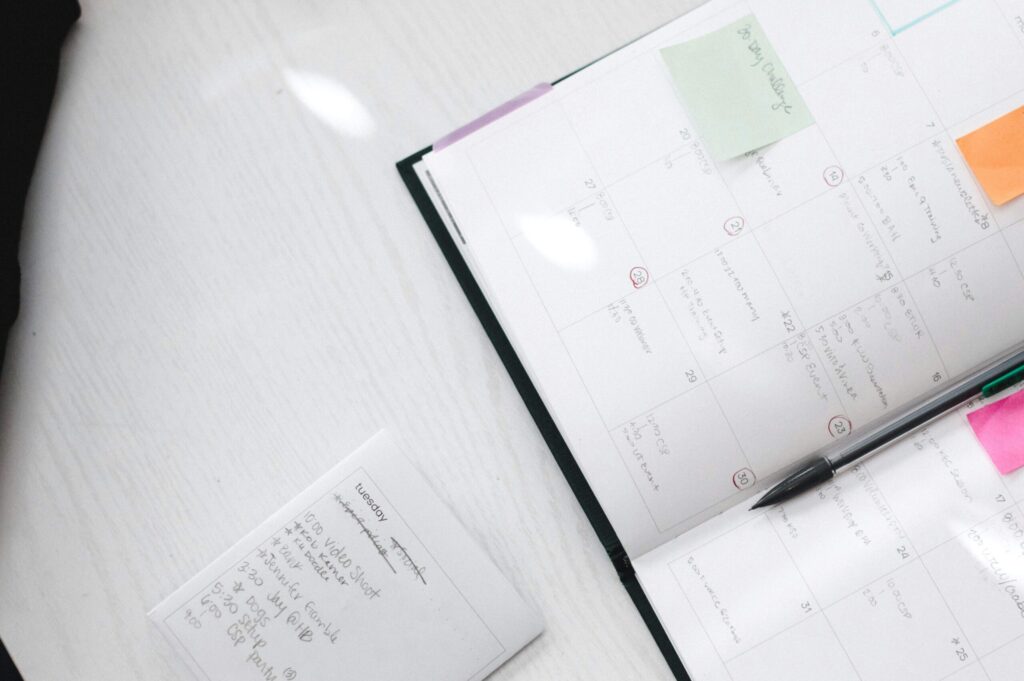
Want to give it a try? You can grab my Time Block Planner for Productivity in my Etsy shop. It pairs perfectly with my Self-Care Organization Checklist, especially if your goal is to be more organized and intentional with your days.
Do you already use time blocking or plan to start? Share your experience or favorite tips in the comments
If you enjoyed this blog post, don’t forget to subscribe to our blog for more inspiring ideas and tips. You can also follow us on Pinterest, Facebook, Instagram, and Flipboard.
Other Posts You May Enjoy:


Save this to stay inspired with your time blocking routine!