Holiday Self-Care

Holiday Self-Care Tips for a Joyful, Stress-Free Season

The holidays are meant to be joyful, but it’s easy to feel overwhelmed between shopping, planning, and endless to-do lists. Practicing holiday self-care helps you slow down, stay centered, and truly enjoy the season. This guide offers simple holiday wellness tips, a printable checklist, and a free holiday planner to make this your calmest, happiest season yet.

Cup of coffee surrounded by Christmas decorations representing holiday self-care

In this post, you’ll discover:

  • Why holiday self-care is essential for your well-being
  • 8 simple ways to care for yourself during the holidays
  • A free printable holiday self-care checklist and planner to help you stay organized

Are you ready to prioritize yourself this holiday season? Let’s get started!

My posts may contain affiliate links. If you purchase through one of these links, you will not pay a penny more, but I will receive a small commission. Please read my disclaimer for more information.

Why Holiday Self-Care Matters for Your Health and Happiness

The holiday season can be overwhelming for many reasons, making self-care all the more critical. Here are some reasons why self-care should be a top priority during this time:

  • Stress Management: The pressure of shopping for gifts, holiday parties, and family gatherings can lead to increased stress. Practicing self-care can help you better manage stress.
  • Maintaining Health: The colder weather and busy schedule can weaken your immune system. Prioritizing holiday self-care ensures you stay healthy and energetic throughout the season
  • Emotional Well-being and Holiday Self-Care: Nurturing Your Spirit During the Season: The holidays can stir up a mix of emotions, from joy to sadness. Self-care helps you process these feelings and maintain emotional balance.
  • Preventing Burnout: Overcommitting and overextending yourself during the holiday season can lead to burnout. Self-care helps prevent exhaustion.

8 Easy Holiday Self-Care Tips for a Joyful Season

Now that we understand why holiday self-care is essential, let’s talk about practical ways to incorporate it into your festive season:

1. Set Boundaries

Learn to say no when you need to. It’s okay to say “no” to invitations or requests that will overwhelm you.

2. Prioritize Sleep

Aim for a consistent sleep schedule, even amidst celebrations. A well-rested body and mind are better able to handle stress.

3. Holiday Self-Care Through Healthy Eating

Enjoy holiday treats, but also focus on nutritious meals. A balanced diet fuels your energy and immune system.

4. Stay Active

Make time for physical activity, whether it’s a brisk walk in the winter air or a fun dance party at home.

5. Mindfulness and Meditation

Take moments for mindfulness to ground yourself and manage stress. Meditation can help you find calm amid the chaos.

holiday self-care

6. Gratitude Practice for Self-Care: Cultivating Joy During the Holiday Season

Reflect on the things you’re grateful for. This can boost your mood and perspective during the holidays.

7. Connect with Loved Ones

Nurture meaningful relationships by spending quality time with family and friends, even if it’s virtual.

Related Post: 20 Simple Strategies for Building Strong Connections: A Guide on How to Nurture Relationships

8. Time for Yourself

Schedule “me-time” to recharge. It could be reading a book, taking a bath, or indulging in a hobby you love.

Related Post: Self-Care Bath Ideas To Create The Perfect At-Home Spa Experience

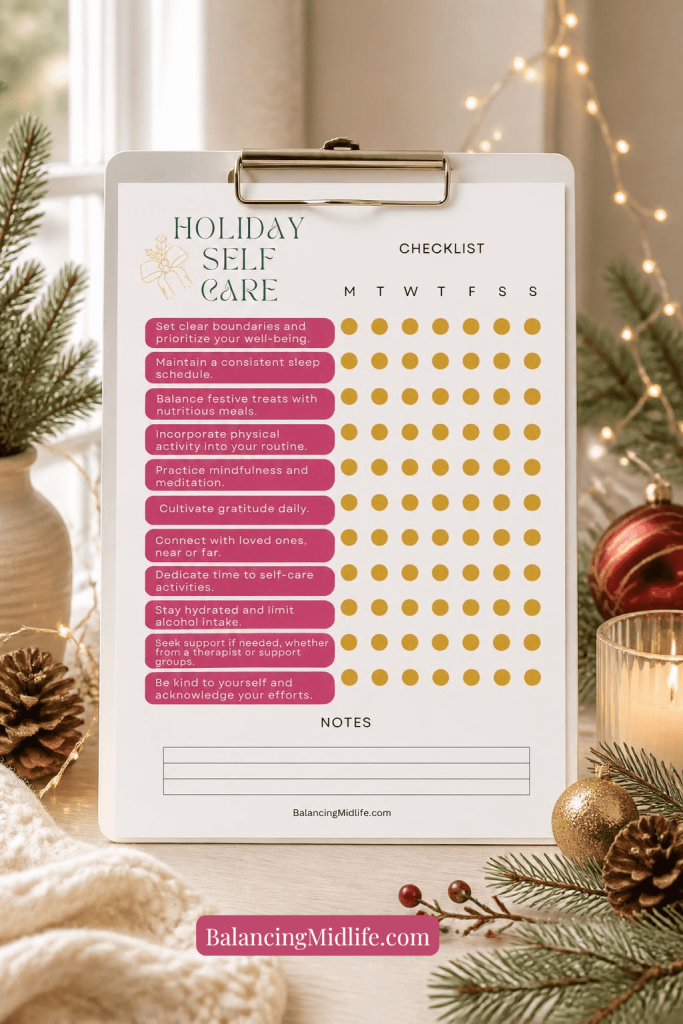
Printable Holiday Self-Care Checklist

Here’s a handy checklist to guide your holiday self-care journey:

  • Set clear boundaries and prioritize your well-being.
  • Maintain a consistent sleep schedule.
  • Balance festive treats with nutritious meals.
  • Incorporate physical activity into your routine.
  • Practice mindfulness and meditation.
  • Cultivate gratitude daily.
  • Connect with loved ones, near or far.
  • Dedicate time to self-care activities.
  • Stay hydrated and limit alcohol intake.
  • Seek support if needed, whether from a therapist or support groups.
  • Be kind to yourself and acknowledge your efforts.

Remember, holiday self-care isn’t selfish; it’s an act of self-defense that allows you to give your best to others and savor the joy of the season.

By incorporating these practices and checking off items on your checklist, you’ll create a joyful and harmonious holiday experience for yourself and those around you. Embrace the magic of the season, and make self-care your greatest gift this year!

Bonus: Free Printable Holiday Planner for a Stress-Free Season

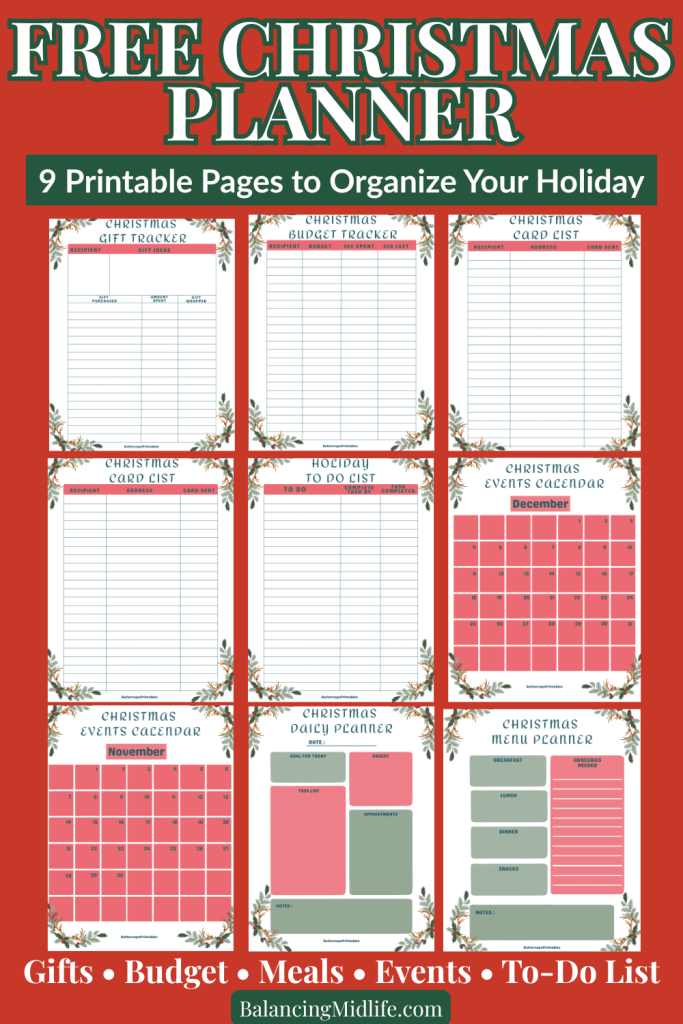
To help you stay organized and minimize holiday stress, grab your free printable holiday planner. Here are just a few of the pages included in the planner:

  • Calendar Pages: Keep track of important dates, including parties, gatherings, and deadlines.
  • To-Do Lists: Stay on top of holiday tasks, from gift shopping to meal planning.
  • Gift Lists: Create a thoughtful gift list for your loved ones.
  • Budget Tracker: Manage your holiday spending wisely.
  • Recipe Pages: Organize your favorite holiday recipes and meal plans.
  • Holiday Card List: Keep track of holiday card recipients.

A holiday planner can be a game-changer during this busy season. It helps you stay organized, reduces the last-minute rush, and frees up time for self-care.

Plate of Christmas cookies representing mindful indulgence and self-care during the holidays

Download and print your free holiday planner here to ensure a smooth and stress-free holiday season.

Final Thoughts: Make Holiday Self-Care Your Best Gift This Year

The holidays can be busy and overwhelming, but holiday self-care helps you slow down, breathe, and find joy in the little moments. Whether it’s setting boundaries, practicing gratitude, or simply enjoying a cozy cup of coffee, these small acts of care make a big difference.

By following your holiday self-care checklist and using your free printable planner, you’ll stay organized, reduce stress, and truly enjoy a peaceful, joy-filled season.

Remember, taking care of yourself isn’t selfish; it’s how you create the energy and presence to share more love and happiness with others.

Start today: download your free Checklist and Holiday Planner, and give yourself the gift of calm, balance, and joy this season.

Here’s to a stress-free, joyful holiday season filled with self-care and gratitude!

Related Post: FREE Christmas Planner: 9 Printable Pages To Help Keep Your Holidays Simple

And don’t forget to visit our Etsy shop for printable holiday cards and gift tags to simplify your holiday preparations.

Here’s to a joyful and harmonious holiday season filled with self-care and love!

Be well…

If you enjoyed this blog post, don’t forget to subscribe to our blog for more inspiring ideas and tips. You can also follow us on PinterestFacebookInstagram and Flipboard.

Other Posts You May Enjoy:

Short on time? Pin this post for later!

Holiday Self-Care
women enjoying a cozy moment for mental health self-care

Self-Care Ideas for Mental Health: 25 Simple Ways to Feel Calmer

When life feels full, especially in midlife, finding simple self-care ideas for mental health is not about doing more. It’s about slowing down, calming your mind, and finding small ways to feel like yourself again.

If you’ve been feeling stressed, mentally overloaded, or a little disconnected lately, this is for you. So many women are carrying a heavy mental load while trying to show up for everyone else.

This is your reminder that your mental health matters too.

Here are 25 self-care ideas for mental health that are simple, realistic, and supportive for everyday life. Nothing complicated. Nothing you need to earn. Just gentle ways to feel more like yourself again.

My posts may contain affiliate links. If you purchase through one of these links, you will not pay a penny more, but I will receive a small commission. Please read my disclaimer for more information.

Quick Self-Care Ideas for Overwhelmed Days (5 to 10 minutes)

These are for the moments when you feel overstimulated, exhausted, or emotionally maxed out.

1. Step outside for fresh air without your phone

Even two minutes can help reset your nervous system.

2. Sit in silence with your morning coffee or tea

No scrolling. No multitasking. Just you and the moment.

3. Do a 60-second breathing reset

Inhale slowly, exhale longer than you inhale. Repeat a few times.

4. Put your hand on your chest and check in with yourself

Ask, “What do I need right now?”

5. Listen to one calming song all the way through

No distractions, just music.

Nervous System Soothing Self-Care Ideas

These practices help when stress feels stuck in your body.

6. Take a warm shower and focus on the sensation of water

Let it be a reset instead of just another task.

7. Try a guided meditation for anxiety or sleep

Even 5 to 10 minutes can make a difference.

8. Stretch your body gently before bed

Focus on releasing tension, not performance.

9. Place a cool washcloth on your face and breathe slowly

A simple way to signal safety to your body.

10. Do a grounding exercise using your senses

Name 5 things you see, 4 you feel, 3 you hear, 2 you smell, 1 you taste.

woman resting as self-care for mental health
Photo by serjan midili on Unsplash

Creative Self-Care Ideas for Mental Health and Emotional Release

Creativity is not about being artistic. It is about letting your thoughts move instead of staying stuck.

11. Journal what is on your mind without filtering it

Journaling can help you process emotions, reduce stress, and slow down racing thoughts. Sometimes simply getting your thoughts out of your head and onto paper can feel like a release.

If journaling feels helpful to you, you may also enjoy reading about the benefits of journaling for mental health.

12. Write a “mental unload” list

Everything you are carrying, even the small stuff.

13. Doodle or color without trying to make it perfect

Let it be messy and freeing.

14. Write yourself a kind note like you would a friend

This can feel surprisingly grounding.

15. Make a “what I need less of / more of” list

A simple way to reconnect with yourself.

Nature-Based Self-Care Ideas for Mental Clarity

Nature is one of the fastest ways to reset mental overwhelm.

16. Take a slow walk without an agenda

No fitness goals. Just movement and air.

17. Sit outside and notice small details around you

Leaves, sounds, light, and movement.

18. Take a mindful photo walk

Focus on what catches your eye instead of your to-do list.

19. Watch birds or clouds for a few minutes

Let your attention soften.

20. Visit a local park and just sit for 10 minutes

No productivity allowed.

nature walk as a calm self-care activity for mental health
Photo by Ruslan Sikunov on Unsplash

Gentle Lifestyle Self-Care for Everyday Support

These are small habits that support your mental health over time.

21. Create a simple morning moment just for you

Even five quiet minutes before the day starts.

If you want inspiration for creating a slower, calmer start to your day, you may enjoy my post on creating a mindful morning routine.

Woman enjoying a quiet morning self-care routine for mental health
Photo by Svitlana on Unsplash

22. Text someone you trust and check in

Connection matters more than we often realize.

23. Light a candle and intentionally slow down one task

Like folding laundry or making dinner.

24. Choose one thing to release from your mental load today

Not everything. Just one thing.

25. Use a simple habit tracker to notice your progress

If you want support building consistency, you can use my FREE habit tracker to make it easier to stay on track without pressure. You can grab it here.

You may also enjoy my post on Healthy Habits for Women Over 40: Small Changes That Make a Big Difference

A gentle reminder

Self-care for mental health does not need to be complicated or perfect. It just needs to meet you where you are.

Some days it will look like deep rest. Other days it will look like drinking water and stepping outside for a few minutes. Both count.

If you are in a season of stress or emotional overload, you may also like my 3-Day Self-Care Reset to help you slow down and feel more like yourself again.

FAQ: Self-Care Ideas for Mental Health

What are the best self-care ideas for mental health?

The best self-care ideas for mental health are simple practices that help calm your mind and reduce stress. This can include deep breathing, journaling, taking a short walk, spending time in nature, or stepping away from screens for a mental reset.

How do I practice self-care when I feel overwhelmed?

Start small. When you feel overwhelmed, focus on calming your nervous system instead of trying to fix everything. Even a few minutes of quiet breathing, stepping outside, or drinking a glass of water slowly can help bring your body back to a calmer state.

Why is self-care so hard to keep up with?

Self-care often feels hard because many women are already carrying a full mental load. When you are constantly taking care of others or managing responsibilities, your own needs tend to get pushed aside. That’s why small, realistic habits work better than big routines.

What type of self-care is most helpful for mental health?

The most helpful self-care supports your nervous system. This includes practices that help you feel safe, grounded, and present, such as breathing exercises, gentle movement, time in nature, and quiet moments without distractions.

How often should I practice self-care for mental health?

Self-care does not need to be scheduled perfectly. Small moments throughout your day are often more effective than occasional long routines. Even a few minutes daily can make a difference in your overall mental well-being.

woman reading outdoors as a self-care habit for mental health
Photo by Anita Jankovic on Unsplash

Final Thoughts on Self-Care Ideas for Mental Health

You don’t need a long list of changes or a perfect routine to support your mental health. What matters most is the small moments you come back to yourself throughout the day.

Some days that might look like stepping outside for fresh air. Other days it might be sitting quietly with your thoughts for a few minutes. Both count. Both matter.

Self-care is not about doing everything on this list. It’s about choosing what meets you where you are right now.

And if you are feeling especially overwhelmed or mentally drained, it may be a sign that you need a little more support than a single moment here and there can give you. That’s completely normal in busy, full seasons of life.

You don’t have to figure it out alone or all at once. A simple reset can be a powerful place to start.

If you’re ready for a gentle way to slow down and feel more like yourself again, you can start with my 3-Day Self-Care Reset here: 3-Day Self-Care Reset

If you enjoyed this blog post, don’t forget to subscribe to our blog for more inspiring ideas and tips. You can also follow us on PinterestFacebook, Instagram and Flipboard.

Other Posts You May Enjoy

Save these simple self-care ideas for mental health for the days you need a little extra calm and support.

woman relaxing as self-care for mental health
Budget-friendly mindful wellness tips to support a healthier midlife

10 Budget-Friendly Mindful Wellness Tips to Support a Healthier Midlife

Taking care of your health in midlife shouldn’t feel overwhelming or expensive. If you’ve been searching for budget-friendly mindful wellness tips that actually fit into real life, you’re not alone. For many women in midlife, juggling work, family, finances, and changing energy levels can make self-care feel like just another thing on an already full to-do list.

The good news is that mindful wellness doesn’t require costly programs, fancy retreats, or expensive products. Small, intentional habits practiced consistently can make a meaningful difference in how you feel physically, mentally, and emotionally.

In this post, I’m sharing budget-friendly mindful wellness tips that are simple, practical, and easy to fit into real life. These ideas are designed to help you reduce stress, support your health, and create a calmer, more balanced life without breaking the bank.

If you’re looking for gentle ways to care for yourself that actually feel doable, you’re in the right place.

My posts may contain affiliate links. If you purchase through one of these links, you will not pay a penny more, but I will receive a small commission. Please read my disclaimer for more information.

What is Mindful Wellness?

Mindful wellness practices for women in midlife
jovan-vasiljevic-HvX8bOBvyR8-unsplash (1)

Mindful wellness is about bringing awareness, intention, and compassion into your everyday life. It means slowing down just enough to notice how you’re feeling physically, mentally, and emotionally, and making choices that support your overall well-being.

Rather than striving for perfection, mindful wellness focuses on presence and consistency. It reminds us that caring for ourselves doesn’t have to be complicated or expensive to be effective.

Especially in midlife, mindful wellness can help you feel more grounded and supported as your body, priorities, and energy levels shift.

Mindful wellness can support:

  • Reduced stress and emotional overwhelm
  • Healthier daily habits
  • Better sleep and energy levels
  • Improved emotional balance
  • Stronger relationships
  • A greater sense of calm and clarity

Related Post: What is Mindfulness and How It Can Boost Your Midlife Well-Being

woman thinking/mindful wellness

10 Budget-Friendly Mindful Wellness Tips You Can Start Today

1. Start Your Day with a Mindful Practice (A Budget-Friendly Mindful Wellness Tip)

Budget-friendly mindful wellness morning routine for midlife women
leo-sokolovsky-5PAxEIHbr78-unsplash (1)

How you begin your morning often sets the tone for the rest of the day. Even a few quiet minutes can help calm your nervous system and create a more positive mindset.

Try this simple, no-cost morning practice:

  • Take 5–10 slow, deep breaths
  • Sit quietly for a minute or two before checking your phone
  • Set one gentle intention for the day

This small habit is one of the easiest budget-friendly mindful wellness tips to build into your routine.

2. Create a Simple Meal Plan

To keep it simple and budget-friendly:

  • Plan meals around what you already have
  • Choose easy, nourishing recipes
  • Shop seasonal produce when possible
  • Buy pantry staples in bulk

Mindful meal planning supports both your physical health and your peace of mind.

3. Drink More Water Mindfully

Staying hydrated supports energy, digestion, and mental clarity, yet it’s something many of us forget throughout the day.

Make hydration more enjoyable by:

  • Adding lemon, berries, cucumber, or fresh herbs
  • Using a reusable water bottle you enjoy
  • Pausing for a brief moment of awareness with each sip

Mindful hydration is a simple wellness habit that costs nothing but offers real benefits.

4. Get Moving in a Way That Feels Good

Gentle movement as part of a budget-friendly mindful wellness routine
evan-wise-vY8_BIaFlCI-unsplash (1)

Movement doesn’t have to mean intense workouts or gym memberships. Gentle, consistent movement supports circulation, mood, and overall health especially in midlife.

Budget-friendly movement ideas include:

  • Walking outdoors
  • Gentle stretching
  • At-home workout or dance videos
  • Light strength or mobility exercises

Choose movement that feels supportive, not punishing.

5. Practice Gratitude Daily

Gratitude is one of the most accessible mindful wellness practices. It gently shifts focus away from stress and toward what’s going well.

Simple ways to practice gratitude:

  • Write down three things you’re grateful for each day
  • Reflect on one positive moment before bed
  • Keep a small gratitude journal nearby

Over time, this habit can support emotional balance and a more positive outlook.

Related Post: Top 10 Benefits of Journaling for Mental Health: How Can It Help You?

6. Try Yoga or Gentle Stretching

Yoga blends movement, breathing, and mindfulness, making it a wonderful option for both physical and mental well-being.

You don’t need an expensive studio membership. Many budget-friendly options include:

  • Free or low-cost YouTube classes
  • Online subscription platforms
  • Community center classes

Even 10–15 minutes a few times a week can help reduce stress and improve flexibility.

7. Be More Mindful of Screen Time

Too much screen time can affect sleep, focus, and mental health. Creating gentle boundaries with technology can support a calmer day.

Try small changes like:

  • Turning off devices an hour before bed
  • Leaving your phone in another room at night
  • Taking short screen-free breaks during the day

These small adjustments often make a bigger difference than we expect.

8. Budget-Friendly Tip: Prioritize Quality Sleep for Mindful Wellness

Budget-friendly mindful wellness habits to support better sleep in midlife
julia-peretiatko-rlX-SEqCZ6s-unsplash (1)

Sleep is foundational to mindful wellness. When sleep suffers, everything feels harder.

Create a calming bedtime routine by:

  • Going to bed around the same time each night
  • Reading or journaling before sleep
  • Taking a warm bath or shower
  • Practicing gentle breathing

Protecting your sleep is one of the most effective budget-friendly mindful wellness tips you can adopt.

9. Stay Connected to Others

Meaningful connection plays an important role in emotional well-being. Staying connected helps reduce stress and supports mental health.

Consider:

  • Calling or texting a friend
  • Joining a hobby or interest group
  • Volunteering in your community
  • Spending intentional time with loved ones

These connections don’t have to be elaborate to be meaningful.

Related Post: Social Self-Care Examples You Must Know To Help Level Up Your Routine

10. Practice Self-Compassion

Mindful wellness isn’t about doing everything perfectly. It’s about being kind to yourself along the way.

Self-compassion may look like:

  • Resting when you need to
  • Speaking to yourself gently
  • Letting go of unrealistic expectations
  • Remembering that progress matters more than perfection

This practice is especially important during midlife and times of change.

Related Post: Self-Compassion Examples Unmasked: Do They Encourage Complacency or Drive Success?

Helpful Budget-Friendly Tools to Support Mindful Wellness

While mindful wellness doesn’t require spending money, a few simple tools can help support your daily practices.

For relaxation and stress relief:

For gratitude and mindfulness habits:

For digital wellness:

Recommended reading:

Choose what resonates with you and fits comfortably into your lifestyle.

Frequently Asked Questions About Budget-Friendly Mindful Wellness

What are budget-friendly mindful wellness tips?
They are simple, affordable habits, often free,that support physical, mental, and emotional well-being through awareness and intention.

Can mindful wellness really make a difference?
Yes. Small, consistent habits often lead to noticeable improvements in stress levels, mood, and overall well-being.

How can I practice mindful wellness on a budget?
Focus on no-cost habits like breathing, walking, gratitude, quality sleep, and reducing screen time.

Is mindful wellness helpful in midlife?
Absolutely. Mindful wellness can be especially supportive during midlife as stress levels, responsibilities, and physical needs change.

Simple budget-friendly mindful wellness habits for a calmer midlife
shashi-chaturvedula-Hd20jYjzELY-unsplash (1)

Final Thoughts

Improving your health and well-being doesn’t have to be expensive or complicated. By incorporating even one or two of these budget-friendly mindful wellness tips into your daily routine, you can begin to feel calmer, more balanced, and better supported.

Start small. Be gentle with yourself. Progress matters more than perfection.

If you’d like help building consistent habits, be sure to grab the free habit tracker below. It’s a simple, supportive tool designed to make mindful living feel easier not overwhelming.

Which of these budget-friendly mindful wellness tips feels most doable for you right now?

If you enjoyed this blog post, don’t forget to subscribe to our blog for more inspiring ideas and tips. You can also follow us on PinterestFacebookInstagram, and Flipboard.

Other Posts You May Enjoy:

Pin this for calm, budget-friendly midlife wellness!

Cozy journaling setup with notebook, pen, and tea on a wooden table representing easy journaling ideas for a calm and clear mind

Easy Journaling Ideas: 20 Simple Prompts for a Calm, Clear Mind

If you are looking for easy journaling ideas that help you slow down, clear mental clutter, and feel more grounded, you are in the right place.

If you are a woman in midlife, you already know how quickly life can feel full. Between responsibilities, routines, and constant mental noise, it is not always easy to find a quiet moment for yourself.

Journaling does not need to be complicated or time-consuming. In fact, the simplest prompts are often the most powerful.

In this post, you will find 20 easy journaling ideas you can start using today. No pressure, no rules, just simple ways to reconnect with yourself.

Woman journaling quietly in a peaceful home setting to support mental clarity and mindfulness
Photo by Hannah Olinger on Unsplash

My posts may contain affiliate links. If you purchase through one of these links, you will not pay a penny more, but I will receive a small commission. Please read my disclaimer for more information.

Why These Easy Journaling Ideas Help

When life feels busy or overwhelming, it can be hard to know where to begin. That is why simple journaling prompts are so effective.

These easy journaling ideas can help you:

  • Quiet mental clutter
  • Reduce stress and overwhelm
  • Process emotions more clearly
  • Stay present in your daily life
  • Build a simple self-care habit

You do not need perfect words. You just need honesty on the page.

20 Easy Journaling Ideas for Everyday Clarity

1. Three Things I Am Grateful For

Write down three simple things you are grateful for today, no matter how small.

Related Post: The Surprising Ways gratitude journaling benefits your midlife mind and mood

gratitude journal
Photo by Denise Karis on Unsplash

2. Brain Dump Everything on My Mind (Easy Journaling Idea for Mental Clarity)

Set a timer for 5 to 10 minutes and write everything without stopping or editing.

3. What I Notice in This Moment

Describe what you see, hear, and feel right now. Bring yourself back to the present.

4. A Challenge I Am Facing Right Now

Write about something that feels difficult and what it is bringing up for you.

5. What I Need Most Today

Ask yourself what you need emotionally or physically right now.

6. A Small Win From My Day

Even small progress matters. Write down one thing you did well today.

7. My Current Mood and Why (Easy Journaling Idea for Emotional Clarity)

Name your emotions and gently explore what may be behind them.

8. What Is Taking Up Space in My Mind

Write down anything that feels repetitive or mentally heavy.

9. One Thing I Want to Let Go Of

Release something you no longer want to carry today.

10. What Helped Me Feel Calm Recently

Think about something simple that recently brought you peace.

11. A Kind Thing Someone Did for Me

Reflect on a moment of kindness you experienced.

12. What I Am Looking Forward To

Shift your focus toward something positive ahead.

13. How My Body Feels Right Now

Check in physically. Notice tension, calmness, or fatigue.

14. A Thought I Keep Repeating

Notice any thoughts that keep circling in your mind.

15. If I Had No Limits Today I Would…

Let yourself imagine freely without judgment.

16. What I Learned About Myself Recently

Reflect on anything you have discovered about yourself lately.

17. A Place That Feels Peaceful to Me

Describe a place that feels calm and grounding.

18. What I Am Avoiding and Why

Gently explore what you may be putting off.

19. One Thing I Can Do for Myself Today (Easy Journaling Idea for Self-Care)

Keep it simple, realistic, and kind.

20. What I Want More of in My Life

Focus on what you want to invite in.

How to Use These Easy Journaling Ideas

You do not need to use all of these at once.

A simple way to start:

  • Choose one prompt per day
  • Write for 5 to 10 minutes
  • Do not worry about grammar or structure
  • Repeat the ones that feel most helpful

Consistency matters far more than perfection.

Helpful Journaling Tools for Easy Journaling

You do not need anything fancy to start journaling, but a few simple tools can make the process feel more enjoyable and consistent.

Here are some helpful options:

  • A dedicated journal or notebook
    A simple space where you can write freely without distraction.
  • Pens you actually enjoy using
    Small detail, but it makes journaling feel more inviting.
  • A quiet, calming space
    This could be a cozy chair, your kitchen table, or even a few minutes in bed.
  • Printable journaling pages or prompts
    Helpful when you do not feel like thinking about where to start.
  • A timer for short journaling sessions
    Five to ten minutes is often enough to clear your mind.
  • A warm drink or calming routine
    Something simple that signals to your mind that it is time to slow down.

The goal is not perfection. The goal is to make journaling feel easy enough that you actually want to do it.

Related Post: Mindful Morning Routine Ideas for a Calmer, More Intentional Day

FAQ: Easy Journaling Ideas

What are easy journaling ideas?

Easy journaling ideas are simple prompts that help you start writing without overthinking. They are designed to make journaling feel approachable and stress-free.

What should I write in my journal as a beginner?

Start with simple prompts like gratitude, how you feel today, or what is on your mind. There is no right or wrong way to begin.

Are journaling prompts helpful for stress and anxiety?

Yes, journaling can help you process emotions, reduce mental clutter, and feel more grounded, especially during stressful seasons of life.

How often should I use journaling prompts?

You can journal daily or a few times a week. Even a few minutes can be helpful when done consistently.

What time of day is best for journaling?

Morning journaling helps set the tone for your day, while evening journaling helps you reflect and unwind. Choose what fits your lifestyle best.

Final Thoughts on Easy Journaling Ideas

These easy journaling ideas are meant to help you slow down, clear your mind, and reconnect with yourself in a simple, pressure-free way.

Especially in midlife, life can feel full and constantly moving. Journaling can be a small but powerful way to come back to yourself without adding another overwhelming task to your day.

You don’t need a perfect routine or a long list of rules. You just need a few quiet minutes and one simple place to start.

Closed journal resting on a calm surface symbolizing reflection and easy journaling ideas for daily clarity
Photo by Ricardo Moura on Unsplash

So here is your next step: choose just one prompt from this list today and write for a few minutes. That is it.

If this helped you, you may also enjoy exploring more simple ways to bring calm into your day through mindful journaling and gentle daily routines.

Other Posts You May Enjoy